
Is spleen vegan?
Spleen is a non-vegan food ingredient.
Checking out an ingredients list? 👇
"You are amazing, this has saved me so much time when grocery shopping!"
— Austin, a user who reached out with feedback
"It's been a great tool since starting my journey! You take a pic of the nutrition/ingredients, and it'll warn you of anything questionable or not vegan. 😁"
— Ashe, a Vegan For Beginners Facebook Group member
"Use a vegan app when you go shopping, I use WhatsVegan."
— Dóra, a Vegan For Beginners Facebook Group member
So, what is spleen?
The presence of certain ingredients in our food system often prompts a rigorous examination, especially for those committed to a truly cruelty-free lifestyle. Among these, the inclusion of animal organs like the spleen requires clear understanding from both a scientific and ethical vantage point.
The spleen is a highly vascular, lymphoid organ found in virtually all vertebrates, including mammals, birds, reptiles, and fish. Biologically, it plays a critical role in the immune system, filtering blood, recycling old red blood cells, and storing platelets and white blood cells. As such, it is an integral part of an animal's circulatory and reticuloendothelial systems, crucial for its survival and health.
From a culinary perspective, spleen is considered offal and is consumed in various global cuisines. Historically, it has been valued for its unique flavor and dense nutritional profile, often incorporated into sausages, pâtés, and stews. For instance, in Italian cuisine, pani ca meusa is a traditional Sicilian street food featuring chopped spleen (and often lung) cooked in lard. Similarly, it appears in certain East Asian and Central European dishes.
The Vegan Angle: An Unambiguous "Not Vegan" Status
For individuals adhering to a vegan lifestyle, the status of spleen is unequivocally "Not Vegan." This categorization stems directly from its biological origin: the spleen is an organ harvested from a slaughtered animal. The most common sources for human consumption include bovine (beef), porcine (pork), and ovine (lamb) animals, though it can theoretically come from any vertebrate.
The fundamental tenet of veganism revolves around the rejection of animal exploitation and the cessation of animal product consumption. The act of raising, slaughtering, and butchering an animal for its organs, including the spleen, directly violates these core ethical principles. It signifies a direct contribution to animal agriculture, an industry inherently linked to animal suffering, environmental impact, and the commodification of living beings. Purity in a vegan diet necessitates the absolute absence of animal-derived components, and an animal organ is the antithesis of this pursuit. There is no "gray area" here; it is not a byproduct with complex processing concerns like some sugars or wines; it is a direct part of an animal's body.
Navigating the Ingredient Landscape
While spleen is rarely a hidden ingredient, its existence underscores the broader necessity for label transparency in all food products. Consumers committed to a cruelty-free diet must remain vigilant, understanding the origins of all components, even those less commonly encountered. This awareness extends to understanding potential non-vegan processing aids or obscure animal-derived ingredients that might inadvertently enter the supply chain.
For those seeking to replicate the textural or nutritional qualities attributed to organ meats, the culinary world offers an expanding array of plant-based alternatives. Nutritional yeast can provide B vitamins, while iron-rich plant foods like lentils, spinach, and fortified cereals offer comparable mineral benefits. Textured vegetable protein (TVP), various mushrooms, and specially formulated plant-based meat alternatives can achieve diverse textures and umami notes without any compromise on animal ethics. The innovation in vegan food science continually delivers compelling options that align with both health and ethical standards, demonstrating that reliance on animal organs is entirely unnecessary.
In conclusion, the spleen remains a definitive animal product, fundamentally incompatible with a vegan lifestyle due to its direct derivation from sentient beings. The commitment to animal welfare and ethical purity dictates its firm exclusion from any truly plant-based diet.
How to quickly find the source of ingredients like spleen?
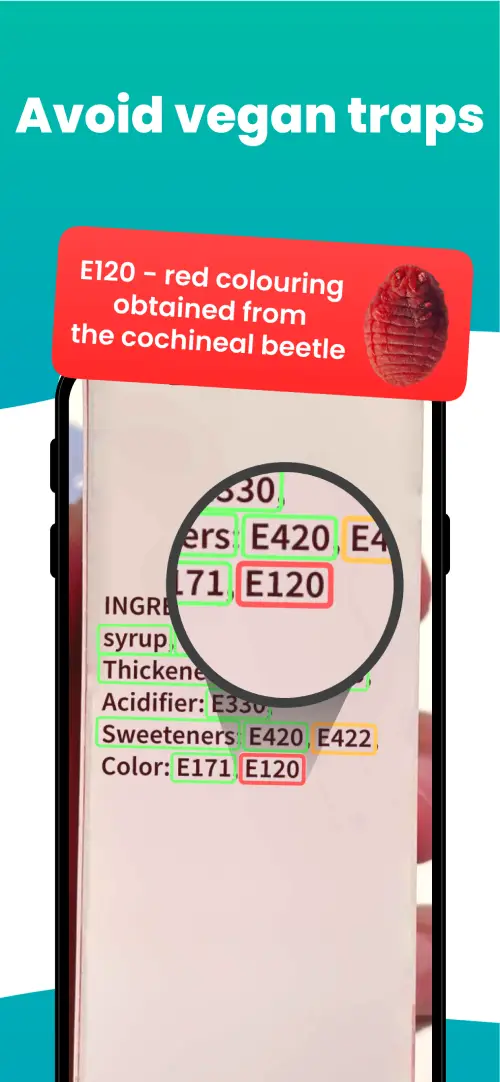
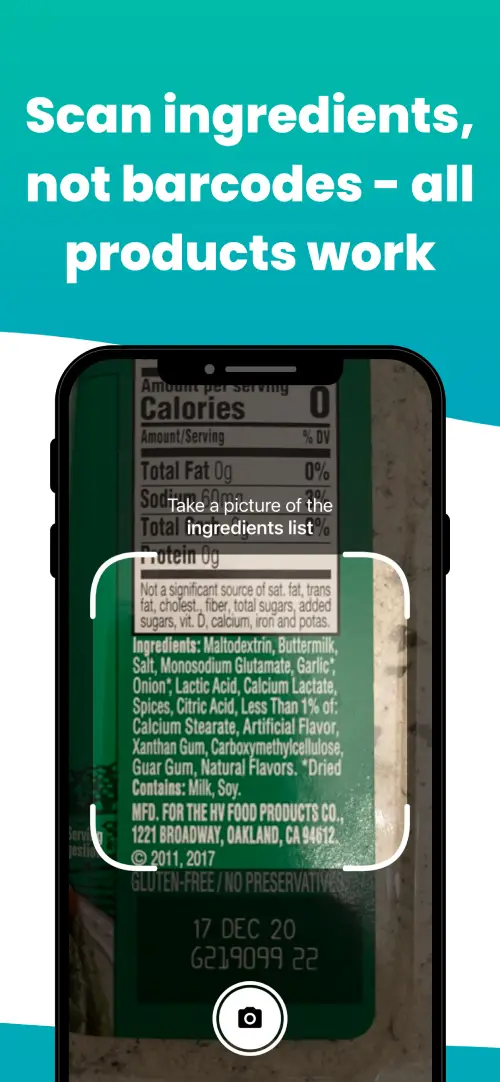
We've built a vegan ingredients scanner that classifies food ingredients as "vegan", "non-vegan", or "potentially vegan".
It allows you to avoid non-vegan ingredients - just take a picture of a product's ingredient list, and the app tells you if the product is vegan or not.



Check out other ingredients:
Is animal tissue vegan?Is calcium lactobionate vegan?Is honey vegan?Is ice cream vegan?Is yogurt smoothie vegan?Is milk fat globule membrane vegan?Is enzyme modified cheddar cheese vegan?Are chicken tenderloins vegan?Is cochineal extract vegan?Is carmine lake vegan?Is chicken meal vegan?Is mono- a diglyceridy mastných kyselin vegan?
We'll never send you spam.