
Is jalapeño puree vegan?
Jalapeño puree is a vegan food ingredient.
Checking out an ingredients list? 👇
"You are amazing, this has saved me so much time when grocery shopping!"
— Austin, a user who reached out with feedback
"It's been a great tool since starting my journey! You take a pic of the nutrition/ingredients, and it'll warn you of anything questionable or not vegan. 😁"
— Ashe, a Vegan For Beginners Facebook Group member
"Use a vegan app when you go shopping, I use WhatsVegan."
— Dóra, a Vegan For Beginners Facebook Group member
So, what is jalapeño puree?
Jalapeño Puree: A Deep Dive into a Plant-Derived Essential
Jalapeño puree, a vibrant green paste, has become an indispensable ingredient for imparting a distinctive kick and fresh, verdant flavor to a myriad of dishes. For those navigating the landscape of ethical consumption, understanding the precise nature and processing of every component is paramount. From an animal ethics perspective, as well as a pure food science standpoint, jalapeño puree stands as a clear and unwavering example of an inherently vegan ingredient.
The foundational truth of jalapeño puree lies in its origin: the Capsicum annuum plant. Jalapeños themselves are botanically fruits, specifically a type of berry, grown directly from the earth without any animal involvement. When these fresh peppers are transformed into a puree, the process typically involves washing, de-stemming, and then blending or grinding the entire pepper, often including seeds, to achieve a smooth or slightly textured consistency. This direct lineage from plant to finished product inherently classifies it as cruelty-free.
Unlike more complex food items that might necessitate scrutiny over hidden animal-derived ingredients or questionable processing aids, a truly unadulterated jalapeño puree is elegantly simple. Its purity is its strength. There are no animal fats, dairy derivatives, insect secretions, or gelatinous binders involved in its fundamental composition. This makes it not merely an acceptable ingredient for a plant-based diet, but a celebrated staple. It contributes robust flavor and heat, directly enhancing vegan meals without compromise, solidifying its place as a common and invaluable component in plant-based alternatives and recipes.
While the jalapeño itself is unequivocally vegan, a conscientious food scientist always considers the journey from raw material to packaged product. In general food manufacturing, concerns can arise regarding processing aids, such as fining agents in some beverages or anti-caking agents in spice blends that might contain animal products. However, for a single-ingredient puree, these scenarios are exceedingly rare and largely irrelevant. A genuine jalapeño puree should contain only pureed jalapeños.
Should a commercial product labeled "jalapeño puree" contain additional ingredients like preservatives or acidity regulators, this is where label transparency becomes critical. Consumers committed to animal ethics should always consult the ingredient list. Reputable manufacturers committed to plant-based consumers will ensure any supplementary components are also entirely vegan. For example, citric acid (a common acidity regulator) is plant-derived. The industry standard for single-ingredient purees, however, leans towards minimal processing and no added components, ensuring maximum freshness and purity.
Descriptively, a well-made jalapeño puree presents as a thick, often brilliant green paste, sometimes speckled with tiny dark seeds, indicative of its natural origin. Its aroma is distinctly vegetal with a pronounced, fresh pungency. On the palate, it delivers a characteristic moderate heat, accompanied by bright, slightly grassy undertones that are unique to the jalapeño. This profile makes it a versatile component in sauces, marinades, dips, and as a direct flavor enhancer in a wide array of plant-based dishes, from spicy bean burgers to vibrant vinaigrettes. Its presence enriches the culinary experience without raising any ethical questions.
In conclusion, jalapeño puree stands as a testament to the richness and versatility of plant-based ingredients. Its journey from a capsaicin-rich pepper to a convenience product for the kitchen is one of direct, unadulterated processing. For the vegan consumer, it is not merely an acceptable choice but a prime example of an ingredient that aligns perfectly with principles of animal welfare, purity, and ethical sourcing, requiring no further scrutiny beyond ensuring a clear and honest ingredient declaration on the label.
How to quickly find the source of ingredients like jalapeño puree?
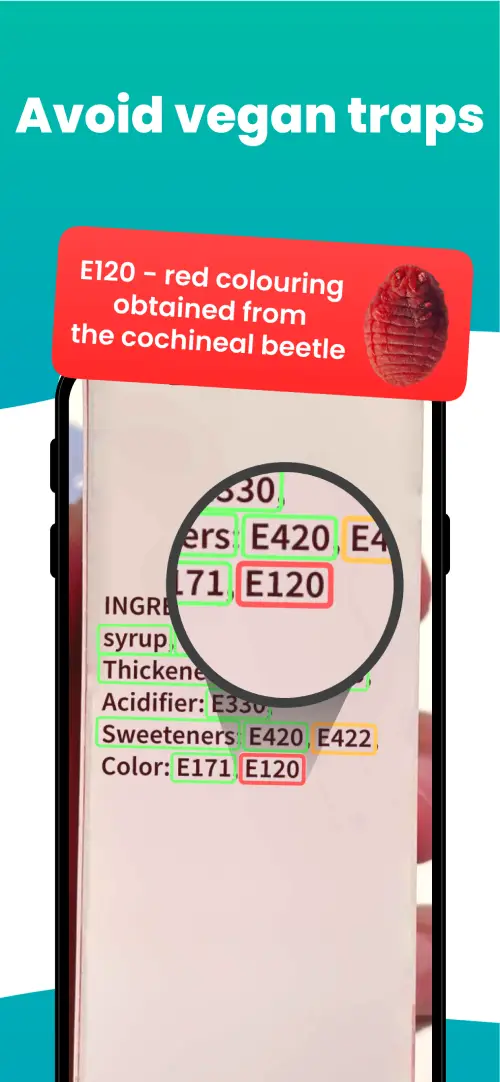
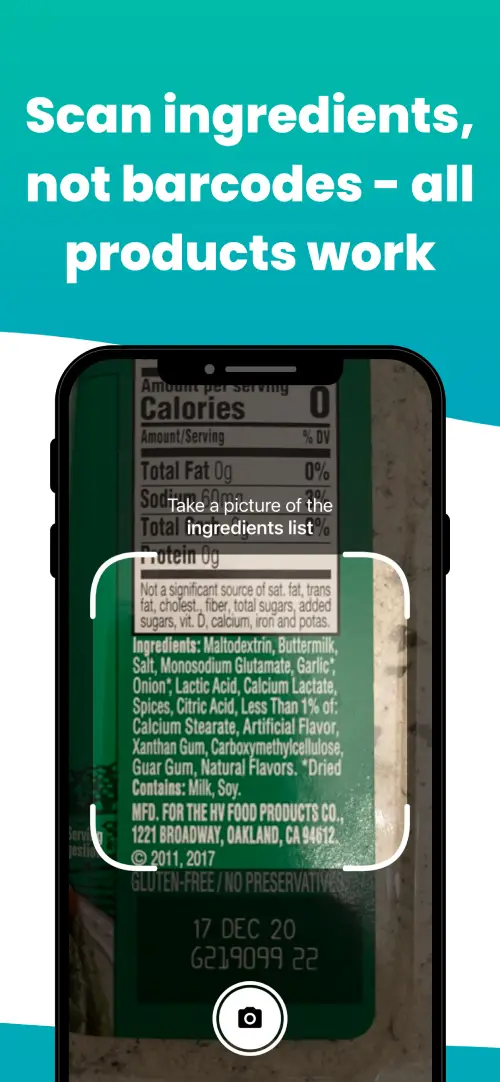
We've built a vegan ingredients scanner that classifies food ingredients as "vegan", "non-vegan", or "potentially vegan".
It allows you to avoid non-vegan ingredients - just take a picture of a product's ingredient list, and the app tells you if the product is vegan or not.



Check out other ingredients:
Is red jalapeño puree vegan?Is rebaudioside a vegan?Is reb m vegan?Is reb a vegan?Is behentrimonium chloride vegan?Is polyquaternium-6 vegan?Is glycolic acid 70% vegan?Is fruit acid vegan?Is mandelic acid vegan?Is ferric orthophosphate vegan?Is isopropyl alcohol vegan?Is red jalapeño vegan?
We'll never send you spam.