
Is glycolic acid 70% vegan?
Glycolic acid 70% is a vegan food ingredient.
Checking out an ingredients list? 👇
"You are amazing, this has saved me so much time when grocery shopping!"
— Austin, a user who reached out with feedback
"It's been a great tool since starting my journey! You take a pic of the nutrition/ingredients, and it'll warn you of anything questionable or not vegan. 😁"
— Ashe, a Vegan For Beginners Facebook Group member
"Use a vegan app when you go shopping, I use WhatsVegan."
— Dóra, a Vegan For Beginners Facebook Group member
So, what is glycolic acid 70%?
Understanding Glycolic Acid 70% in Ethical Formulations
Glycolic acid, specifically its 70% aqueous solution, is a potent alpha-hydroxy acid (AHA) widely valued in both food science and cosmetic formulation for its acidic properties and efficacy in skin exfoliation and product preservation. For those committed to animal ethics, understanding the sourcing and production of such ingredients is paramount.
From a vegan standpoint, glycolic acid 70% is unequivocally suitable, provided it is sourced from reputable manufacturers. The "why" behind this status stems from its common production methods, which inherently avoid animal-derived components. Predominantly, commercial glycolic acid is either synthesized chemically or produced through fermentation processes utilizing plant-based feedstocks.
The synthetic route, typically involving reactions like carbonylation of formaldehyde, generates the molecule without any direct animal involvement. This pathway is inherently free from animal byproducts, ensuring its purity aligns with vegan principles from the molecular level upwards. Alternatively, and increasingly common, is the production via microbial fermentation. Here, microorganisms are cultivated on plant-derived sugars, often from sources like sugarcane or sugar beets, to synthesize glycolic acid. This method positions glycolic acid as a product of plant-based biotechnology, making it a robust choice for formulations aiming for complete plant-based integrity.
It's important to distinguish glycolic acid from ingredients that might have animal-derived counterparts or problematic processing. Glycolic acid is not typically a "plant-based alternative" in the sense of replacing an animal-derived ingredient; rather, it is a primary functional ingredient that can be and usually is vegan by its very nature of production. The key assurance for consumers and formulators lies in the absence of animal testing, ensuring the product is truly cruelty-free at every stage of development and manufacturing.
When scrutinizing ingredient lists, especially for processed foods or personal care items, the focus extends beyond the raw ingredient itself to encompass "processing aids." These are substances used during manufacturing that may not appear on the final label but can compromise an ingredient's vegan status. For glycolic acid, rigorous supplier verification is crucial to confirm that no animal-derived processing aids, such as gelatin-based filtration agents or bone char (sometimes used in sugar refining for feedstocks, though less common for fermentation-grade sugars), were employed. Robust "label transparency" from manufacturers becomes invaluable here, allowing formulators and consumers alike to make informed choices.
The prevalence of ethically sourced glycolic acid makes it a reliable addition to vegan product lines. Its functionality as an acidulant, pH adjuster, or preservative fits seamlessly into developing diverse "plant-based alternatives" for various markets. With conscientious sourcing and a clear understanding of its origins, glycolic acid 70% stands as a prime example of an effective, high-purity ingredient fully aligned with stringent animal ethics and a commitment to veganism.
How to quickly find the source of ingredients like glycolic acid 70%?
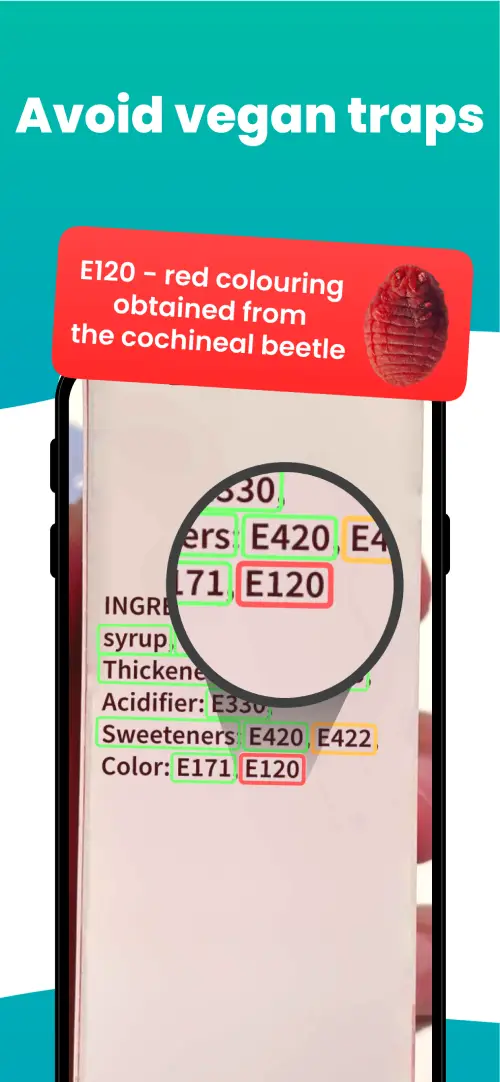
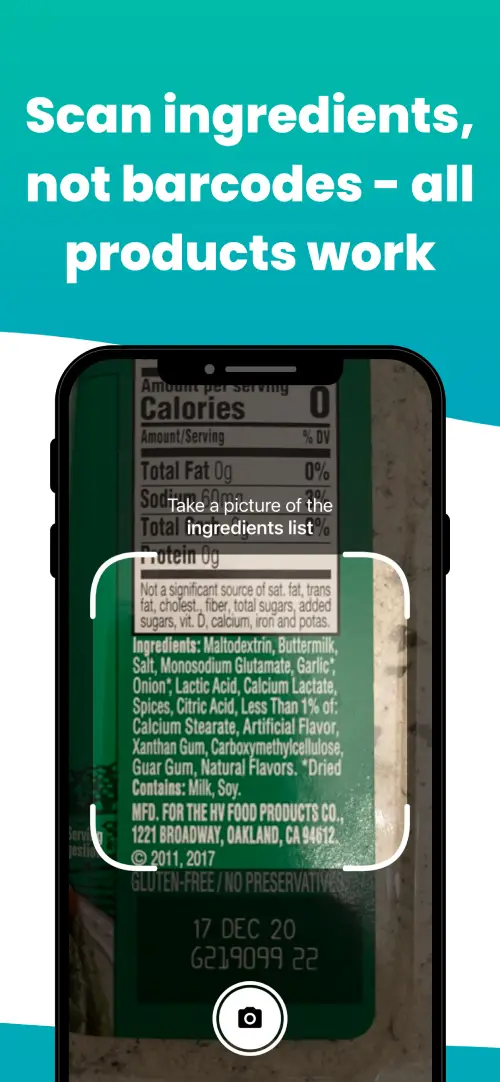
We've built a vegan ingredients scanner that classifies food ingredients as "vegan", "non-vegan", or "potentially vegan".
It allows you to avoid non-vegan ingredients - just take a picture of a product's ingredient list, and the app tells you if the product is vegan or not.



Check out other ingredients:
Is lactic acid 90% vegan?Is fruit acid vegan?Is mandelic acid vegan?Is nano hyaluronic acid vegan?Is maple flavouring vegan?Is salicylic acid powder vegan?Is trihydroxystearin vegan?Is red jalapeño vegan?Is jalapeño puree vegan?Is cupric oxide vegan?Is rebaudioside m vegan?Is cbd vegan?
We'll never send you spam.