
Is ketaki flower vegan?
Ketaki flower is a vegan food ingredient.
Checking out an ingredients list? 👇
"You are amazing, this has saved me so much time when grocery shopping!"
— Austin, a user who reached out with feedback
"It's been a great tool since starting my journey! You take a pic of the nutrition/ingredients, and it'll warn you of anything questionable or not vegan. 😁"
— Ashe, a Vegan For Beginners Facebook Group member
"Use a vegan app when you go shopping, I use WhatsVegan."
— Dóra, a Vegan For Beginners Facebook Group member
So, what is ketaki flower?
The Aromatic Essence of Ketaki: A Vegan Perspective
The ketaki flower, botanically known as Pandanus odorifer (or Pandanus tectorius), stands as a prime example of nature's bounty, offering an exquisite fragrance and delicate flavor derived purely from the plant kingdom. For those committed to animal ethics and a plant-based lifestyle, the ketaki flower and its derivatives are unequivocally vegan, embodying purity from source to application.
Originating from the male flower spikes of the screwpine tree, ketaki’s distinct, sweet, and somewhat musky aroma has long been cherished in traditional perfumery, medicine, and culinary arts across South and Southeast Asia. Its essence, often distilled into what is known as kewra water or kewra essence, provides a unique floral note, indispensable in many regional sweets, beverages, and savory dishes like biryani.
The inherent vegan status of the ketaki flower is straightforward: it is a botanical product, grown and harvested directly from a plant. There are no animal inputs required for its cultivation, nor are any animal byproducts involved in the natural growth cycle of the Pandanus tree. This makes it a naturally cruelty-free ingredient, aligning perfectly with the core tenets of veganism which seek to exclude all forms of animal exploitation and cruelty.
While the raw flower itself presents no ethical dilemmas, a vigilant approach is always warranted when considering processed derivatives like kewra water. Here, the emphasis shifts to processing aids and label transparency. High-quality kewra water is typically produced through a simple steam distillation of the ketaki flowers, a process that inherently avoids animal-derived substances. However, as with any ingredient, scrutinizing product labels ensures that no non-vegan processing aids, such as certain clarifiers, emulsifiers, or preservatives, have been introduced. Reputable brands committed to ethical sourcing often highlight their plant-based processes, offering peace of mind to the discerning consumer.
Ketaki serves as a wonderful, nuanced plant-based alternative to artificial flavorings or those with ambiguous origins. Its pure, plant-derived essence enriches vegan cuisine, allowing for the creation of dishes with authentic, traditional flavors that respect animal welfare. When sourced from producers prioritizing ethical harvesting and transparent processing, the use of ketaki flower and its fragrant water wholeheartedly supports a compassionate lifestyle. It represents not just an ingredient, but a continuation of nature's purity into our kitchens and beyond, without compromise to animal ethics.
How to quickly find the source of ingredients like ketaki flower?
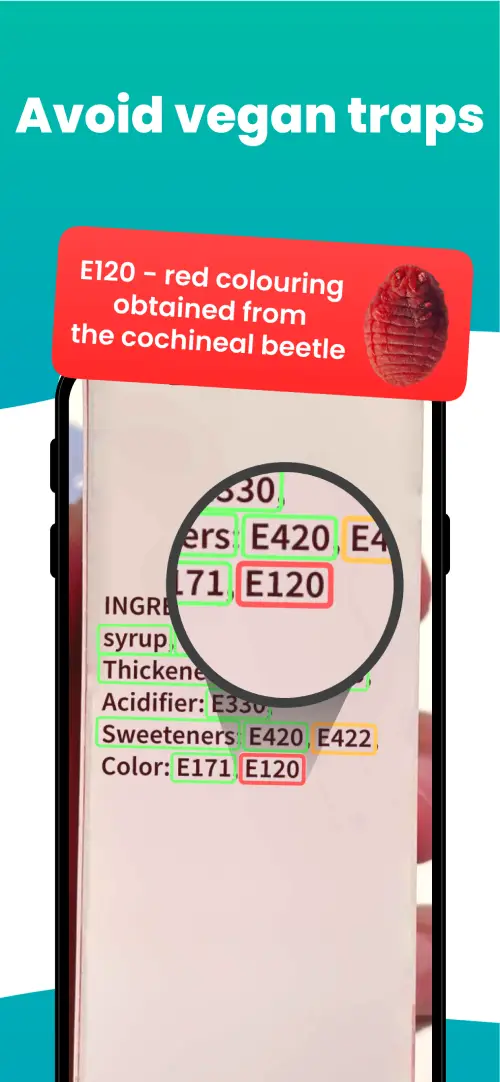
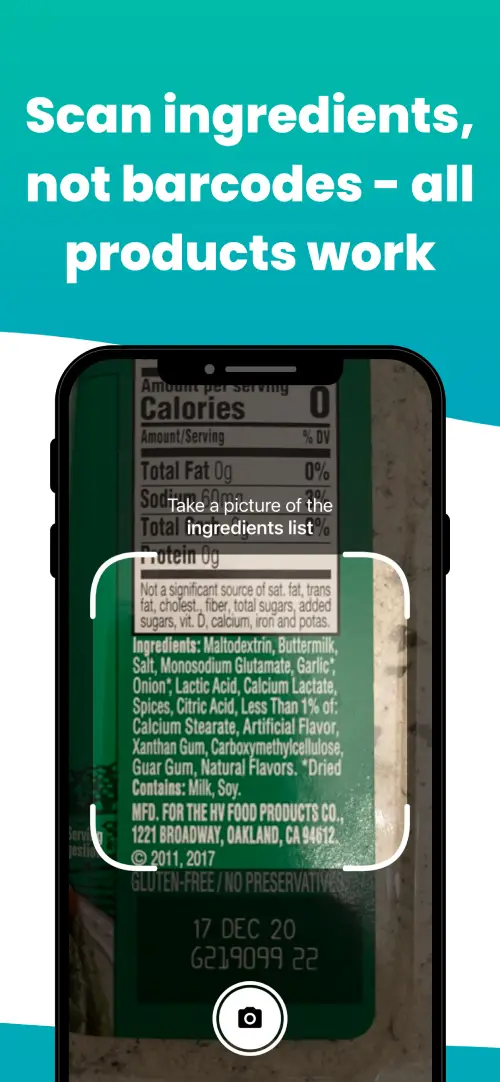
We've built a vegan ingredients scanner that classifies food ingredients as "vegan", "non-vegan", or "potentially vegan".
It allows you to avoid non-vegan ingredients - just take a picture of a product's ingredient list, and the app tells you if the product is vegan or not.



Check out other ingredients:
Is ocimum sanctum vegan?Is lotus flower vegan?Is nymphaea lotus alba vegan?Is manjishta vegan?Is pyridoxine hcl vegan?Is calcium titanium borosilicate vegan?Is cocobutaine vegan?Is polyurethane-11 vegan?Are citrus grandis vegan?Is talc vegan?Is silica vegan?Is skořápkové plody vegan?
We'll never send you spam.