
Is ocimum sanctum vegan?
Ocimum sanctum is a vegan food ingredient.
Checking out an ingredients list? 👇
"You are amazing, this has saved me so much time when grocery shopping!"
— Austin, a user who reached out with feedback
"It's been a great tool since starting my journey! You take a pic of the nutrition/ingredients, and it'll warn you of anything questionable or not vegan. 😁"
— Ashe, a Vegan For Beginners Facebook Group member
"Use a vegan app when you go shopping, I use WhatsVegan."
— Dóra, a Vegan For Beginners Facebook Group member
So, what is ocimum sanctum?
Ocimum Sanctum: A Deep Dive into Its Plant-Based Integrity
Ocimum sanctum, revered across various cultures and better known as Tulsi or Holy Basil, stands as a botanical cornerstone of purity and ethical sourcing within the plant-based paradigm. Its intrinsic nature as a vibrant herb ensures its unwavering alignment with vegan principles, a status that requires no complex navigation of manufacturing processes or ambiguous derivations.
From an ethical standpoint, Ocimum sanctum embodies the very essence of veganism. It is a plant, cultivated directly from the earth, flourishing with broad, often slightly fuzzy green leaves, sometimes tinged with purple, emanating a distinct, aromatic fragrance that is both spicy and minty. Its origin involves no animal exploitation, no animal byproducts, and no harm inflicted upon sentient beings at any stage of its natural life cycle. This direct link to nature makes it inherently cruelty-free and a prime example of a naturally plant-based ingredient, requiring no complex reformulation or search for an "alternative" to animal-derived counterparts.
For consumers dedicated to a vegan lifestyle, Ocimum sanctum offers complete peace of mind. Unlike ingredients that might involve intricate supply chains or obscure processing aids, the plant itself is undeniably vegan. Its use, whether as fresh leaves, dried powder, or in extract form, directly supports a diet free from animal products. This transparency is vital for label scrutiny, where the inclusion of Ocimum sanctum signals a commitment to plant-forward formulations without hidden animal-derived emulsifiers, carriers, or gelling agents that can often complicate product assessments.
While the herb itself is unequivocally vegan, as a food scientist, it’s imperative to consider its journey from field to final product, especially for processed forms like extracts or tinctures. In these instances, ensuring vegan integrity extends to the solvents, carriers, or encapsulation materials used. A truly vegan Ocimum sanctum extract would employ only plant-derived or synthetic processing aids, steering clear of common non-vegan components such as gelatin capsules, beeswax in topical formulations, or certain animal-derived alcohol bases. Reputable suppliers prioritize this level of label transparency, offering assurances that their derived products maintain the original plant's ethical purity.
Ocimum sanctum is not merely a vegan-friendly ingredient; it is a celebration of plant power. Its traditional use in various culinary applications, teas, and wellness practices seamlessly integrates with a plant-based diet, offering a naturally aromatic and beneficial addition. It exemplifies how ingredients can be ethically sound, nourishing, and flavorful without any compromise to animal welfare. Its enduring popularity among those seeking plant-based options underscores its role not as a mere substitute, but as a foundational element of mindful consumption and culinary innovation.
How to quickly find the source of ingredients like ocimum sanctum?
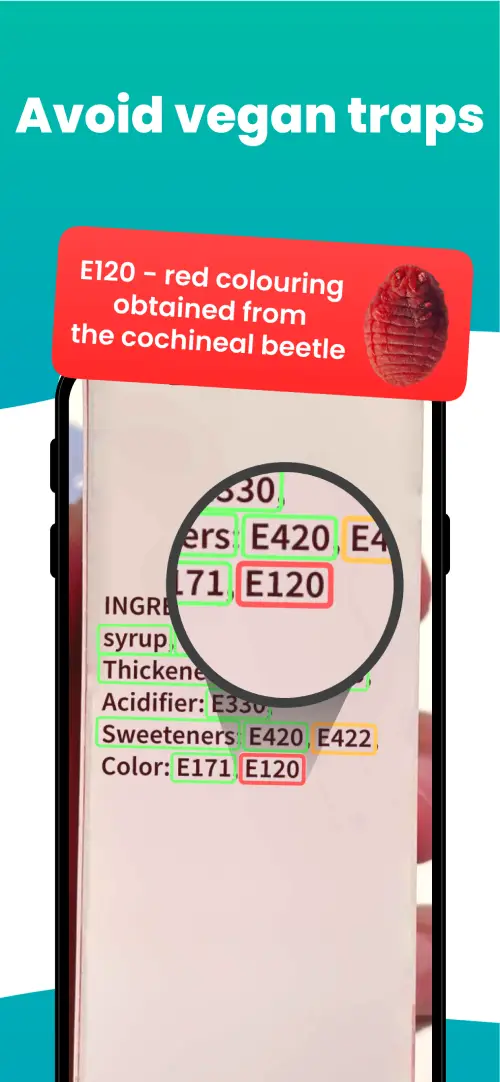
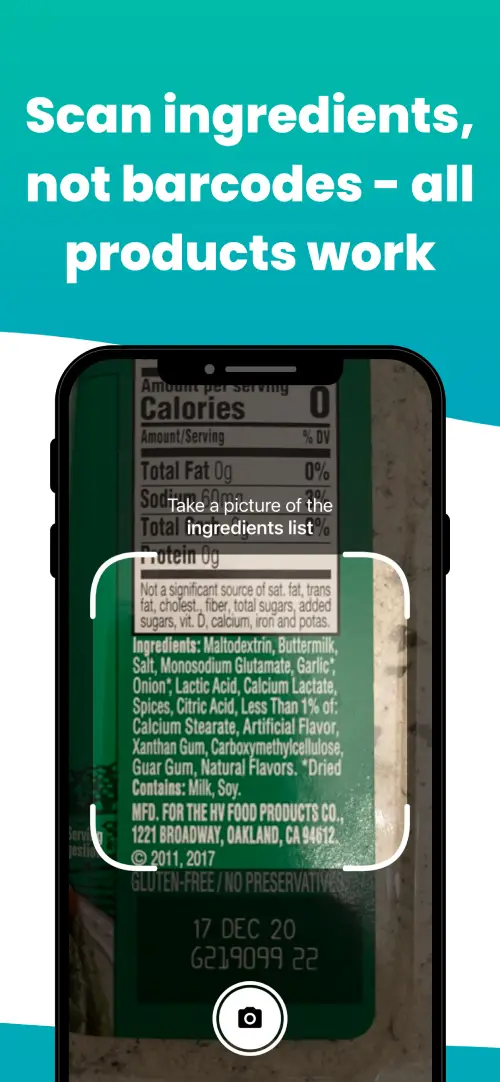
We've built a vegan ingredients scanner that classifies food ingredients as "vegan", "non-vegan", or "potentially vegan".
It allows you to avoid non-vegan ingredients - just take a picture of a product's ingredient list, and the app tells you if the product is vegan or not.



Check out other ingredients:
Is ketaki flower vegan?Is pandanus odoratissimus vegan?Is pyridoxine hci vegan?Is lotus flower vegan?Is nymphaea lotus alba vegan?Is calcium titanium borosilicate vegan?Is crocus sativus vegan?Is hydrogenated styrene vegan?Is cocobutaine vegan?Is tin oxide vegan?Is coco diethanolamine vegan?Is talc vegan?
We'll never send you spam.