
Is nymphaea lotus alba vegan?
Nymphaea lotus alba is a vegan food ingredient.
Checking out an ingredients list? 👇
"You are amazing, this has saved me so much time when grocery shopping!"
— Austin, a user who reached out with feedback
"It's been a great tool since starting my journey! You take a pic of the nutrition/ingredients, and it'll warn you of anything questionable or not vegan. 😁"
— Ashe, a Vegan For Beginners Facebook Group member
"Use a vegan app when you go shopping, I use WhatsVegan."
— Dóra, a Vegan For Beginners Facebook Group member
So, what is nymphaea lotus alba?
Nymphaea Lotus Alba: A Cornerstone of Ethical Plant-Based Formulation
Nymphaea lotus alba, commonly recognized as the white water lily, represents an ingredient of profound significance within the realm of ethical food science. As a pure botanical extract, its journey from aquatic plant to culinary component is entirely free from animal involvement, positioning it firmly as a truly vegan offering. This intrinsic plant-based nature not only aligns with core vegan principles of animal ethics and purity but also offers unique functional attributes for food innovators.
From a scientific and ethical perspective, the "why" behind Nymphaea lotus alba's vegan status is straightforward: it is a flowering aquatic plant. Its cultivation and harvesting, when managed responsibly, do not necessitate the exploitation or harm of any animal. This stands in stark contrast to ingredients derived from animal sources or those that involve animal byproducts in their production chain. For consumers and formulators committed to a cruelty-free lifestyle, the white water lily offers an unimpeachable ingredient source.
In terms of its applications, various parts of the Nymphaea lotus alba plant, particularly its rhizomes and seeds, are processed into flours or starches. These derivatives offer promising attributes for plant-based alternatives, contributing unique textural elements and binding properties. For instance, the starch can act as a natural thickener or gelling agent, providing a smooth mouthfeel in plant-based yogurts, sauces, or desserts. Its flour, often gluten-free, can be incorporated into baked goods, offering a distinct, mild flavor profile and aiding in structure. This positions it as a valuable novel ingredient, enhancing the diversity of available plant-based alternatives beyond more common starches like corn or tapioca.
However, upholding the ethical purity of any ingredient extends beyond its botanical origin. While Nymphaea lotus alba itself is unquestionably vegan, vigilance regarding its processing and supply chain remains paramount. For truly cruelty-free products, manufacturers must ensure that no animal-derived processing aids are utilized during extraction, purification, or formulation. This calls for meticulous due diligence throughout the supply chain, ensuring that everything from filtration media to anti-caking agents remains plant-based.
For the conscientious consumer, label transparency becomes the ultimate tool. While "Nymphaea lotus alba" on an ingredient list signifies a vegan base, a commitment to fully understanding a product's manufacturing process empowers informed choices. Brands committed to true ethical sourcing often provide detailed information about their processing aids and overall production integrity. By prioritizing such clarity, the food industry can collectively reinforce trust and ensure that ingredients like the white water lily fulfill their promise as genuinely pure, plant-powered components in our increasingly ethical food system.
How to quickly find the source of ingredients like nymphaea lotus alba?
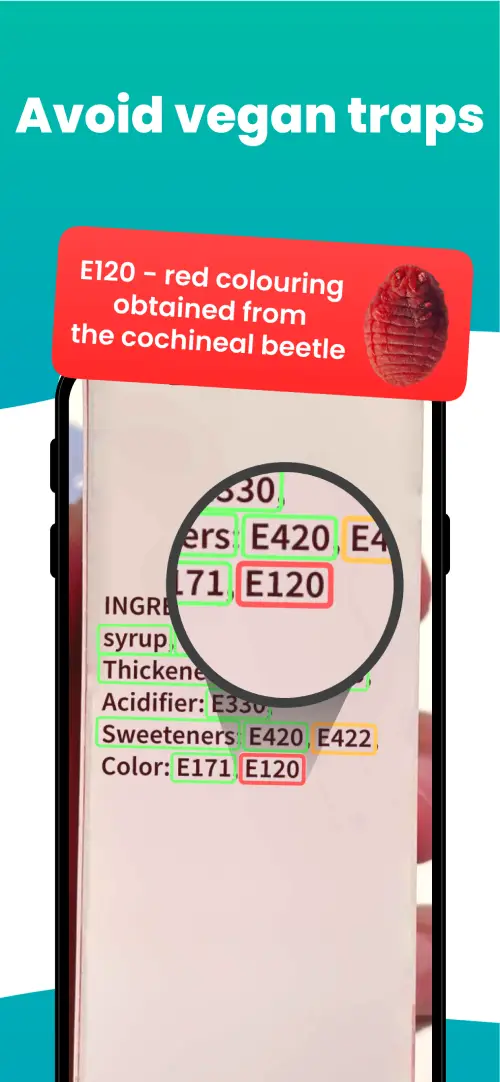
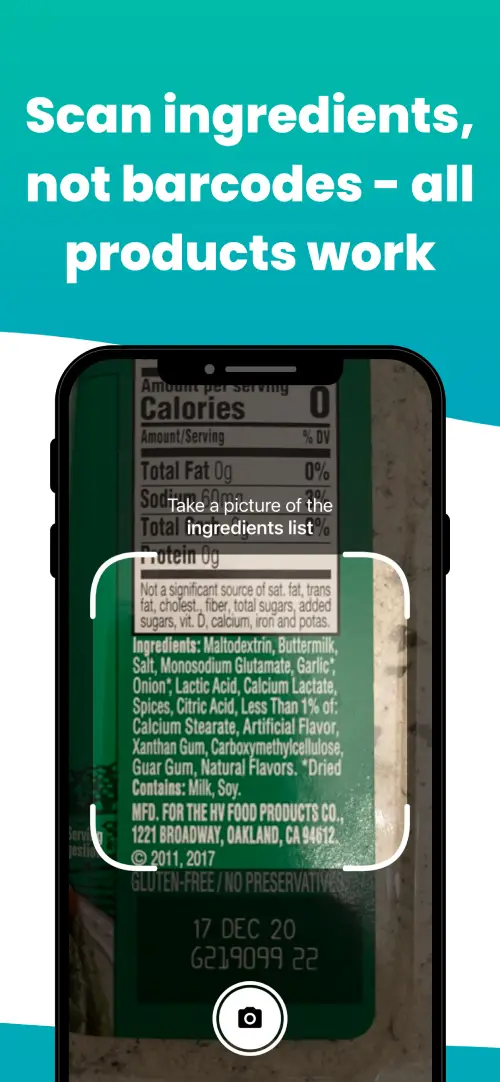
We've built a vegan ingredients scanner that classifies food ingredients as "vegan", "non-vegan", or "potentially vegan".
It allows you to avoid non-vegan ingredients - just take a picture of a product's ingredient list, and the app tells you if the product is vegan or not.



Check out other ingredients:
Is pandanus odoratissimus vegan?Is ketaki flower vegan?Is ocimum sanctum vegan?Is cocobutaine vegan?Is coco diethanolamine vegan?Is pyridoxine hcl vegan?Is calcium titanium borosilicate vegan?Is polyethylene terephthalate vegan?Is tuberose vegan?Is sodium c12-14 olefin sulfonate vegan?Is hydrogenated styrene vegan?Is polyurethane-11 vegan?
We'll never send you spam.