
Is lactitol vegan?
Lactitol is a non-vegan food ingredient.
Checking out an ingredients list? 👇
"You are amazing, this has saved me so much time when grocery shopping!"
— Austin, a user who reached out with feedback
"It's been a great tool since starting my journey! You take a pic of the nutrition/ingredients, and it'll warn you of anything questionable or not vegan. 😁"
— Ashe, a Vegan For Beginners Facebook Group member
"Use a vegan app when you go shopping, I use WhatsVegan."
— Dóra, a Vegan For Beginners Facebook Group member
So, what is lactitol?
Lactitol: A Definitive Guide for the Conscious Consumer
Lactitol, a common ingredient found in "sugar-free" and "no-sugar-added" products, presents a critical point of distinction for those committed to a plant-based lifestyle. While often touted for its low caloric impact and dental benefits, its origin firmly places it outside the realm of vegan-friendly ingredients. Understanding this status requires a look into its fundamental synthesis.
The Non-Vegan Truth: Derived from Dairy
At its core, lactitol is a sugar alcohol synthesized through the hydrogenation of lactose. This single fact unequivocally establishes its non-vegan status. Lactose, often referred to as "milk sugar," is an animal-derived carbohydrate found exclusively in the milk of mammals, predominantly cows. The dairy industry, from which lactose is extracted in large quantities, involves practices that are fundamentally incompatible with animal ethics and the principles of a cruelty-free existence.
The production of cow's milk entails the separation of calves from their mothers, the confinement of animals, and their eventual slaughter once their milk production declines. Therefore, any ingredient, such as lactitol, that directly relies on this supply chain is inherently linked to animal exploitation. Even though the chemical transformation into lactitol alters the original lactose molecule, its very existence supports and perpetuates the dairy industry. For vegans, the purity of ingredients extends beyond the final chemical structure to encompass the entire lifecycle and sourcing ethics.
Understanding Lactitol's Role and Properties
From a food science perspective, lactitol is valued for several attributes. It offers a mild sweetness, roughly 30-40% that of sucrose, with fewer calories. It also functions as a bulking agent, contributing texture and mouthfeel to products like chocolates, baked goods, and confectioneries where sugar reduction is desired. Beyond its sweetness, lactitol is also recognized for its prebiotic properties, meaning it can promote the growth of beneficial gut bacteria, making it an attractive additive in functional foods. However, these functional benefits do not override its non-vegan origin.
Navigating the Ingredient List: Plant-Based Alternatives
For consumers seeking genuinely plant-based and cruelty-free sweeteners and bulking agents, a range of alternatives exists. Common sugar alcohols like erythritol, xylitol, and sorbitol are typically derived from plant sources such as corn, birch, or fruits, making them suitable choices. Erythritol, in particular, is frequently highlighted for its favorable digestive tolerance and negligible caloric contribution.
Beyond sugar alcohols, other natural plant-based sweeteners offer diverse profiles. Stevia and monk fruit extracts provide intense sweetness without calories, while date sugar, maple syrup, and agave nectar offer more complex flavor notes and bulk, directly sourced from plants. When selecting products, always prioritize those that explicitly state their vegan certification or feature ingredient lists free from any animal-derived components or processing aids.
The Imperative of Label Transparency
The case of lactitol underscores the critical importance of robust label transparency. Consumers committed to vegan ethics rely on clear and accurate ingredient information to make informed decisions that align with their values. Manufactures have a responsibility to not only list ingredients but also to provide context when an ingredient, like lactitol, has an animal origin that may not be immediately obvious to the average shopper. By seeking out products that prioritize truly plant-based sourcing and avoiding those that indirectly support animal agriculture, conscious consumers reinforce demand for an ethical and sustainable food system.
How to quickly find the source of ingredients like lactitol?
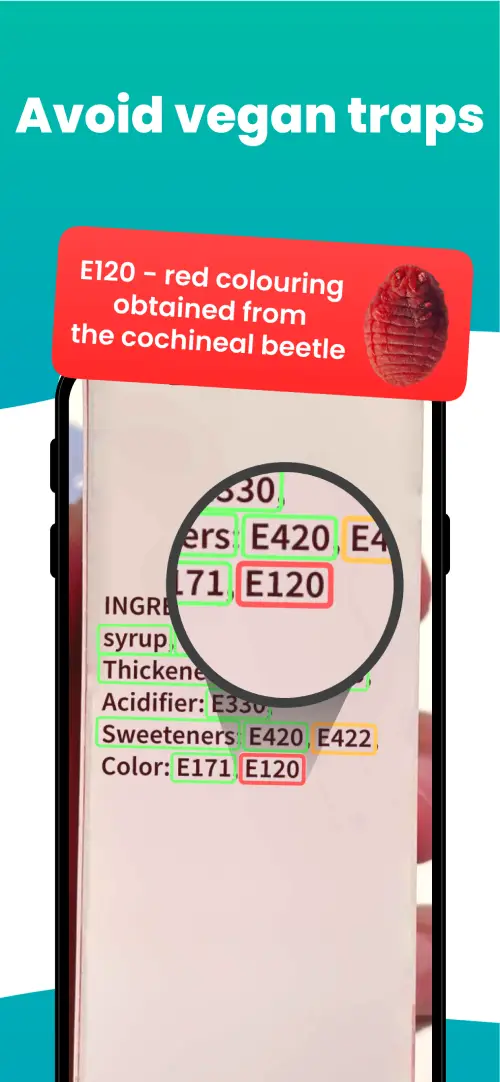
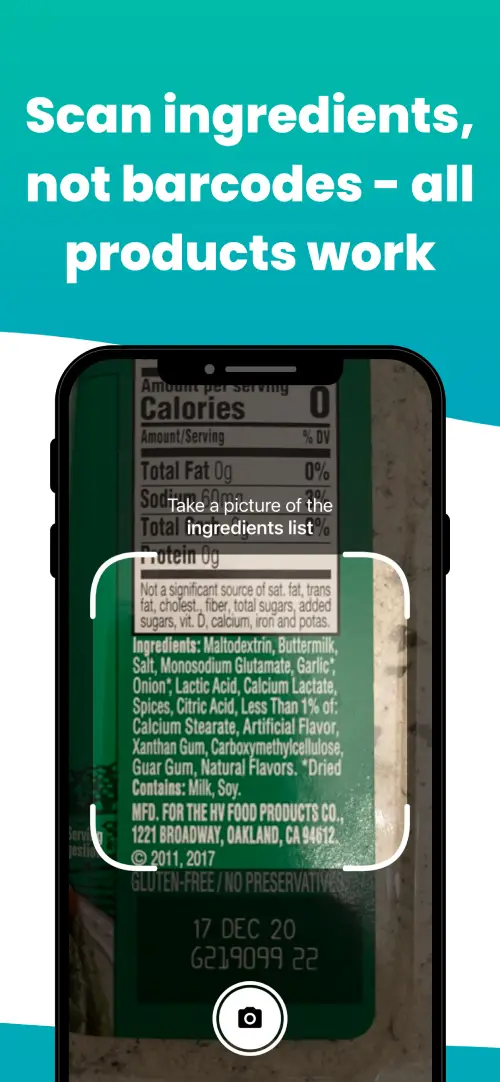
We've built a vegan ingredients scanner that classifies food ingredients as "vegan", "non-vegan", or "potentially vegan".
It allows you to avoid non-vegan ingredients - just take a picture of a product's ingredient list, and the app tells you if the product is vegan or not.



Check out other ingredients:
Is e1000 vegan?Is e1105 vegan?Are collagen amino acids vegan?Is cultured pasteurised milk vegan?Is cultured pasteurized milk vegan?Is 573 vegan?Is วิตามินบี6 vegan?Are alphahydroxyacids vegan?Is wool grease vegan?Are aminoacids vegan?Is chorizo sausage vegan?Is carbonblack vegan?
We'll never send you spam.