
Is phytosphingosine vegan?
Phytosphingosine is potentially vegan - it can be derived from plants or animals. You should ask the manufacturer for more details.
Checking out an ingredients list? 👇
Vegan Ingredient Checker
Scan labels, check if ingredients are vegan
"You are amazing, this has saved me so much time when grocery shopping!"
— Austin, a user who reached out with feedback
"It's been a great tool since starting my journey! You take a pic of the nutrition/ingredients, and it'll warn you of anything questionable or not vegan. 😁"
— Ashe, a Vegan For Beginners Facebook Group member
"Use a vegan app when you go shopping, I use WhatsVegan."
— Dóra, a Vegan For Beginners Facebook Group member


Learn more
"You are amazing, this has saved me so much time when grocery shopping!"
— Austin, a user who reached out with feedback
"It's been a great tool since starting my journey! You take a pic of the nutrition/ingredients, and it'll warn you of anything questionable or not vegan. 😁"
— Ashe, a Vegan For Beginners Facebook Group member
"Use a vegan app when you go shopping, I use WhatsVegan."
— Dóra, a Vegan For Beginners Facebook Group member
So, what is phytosphingosine?
Phytosphingosine is a lipid and naturally occurring sphingoid base related to ceramides. It exists naturally within the tissues of plants, animals, and certain fungi. In commercial production, it is commonly synthesized through the biofermentation of yeast species, such as Pichia ciferrii, or extracted directly from plant sources like wheat. However, it can also be sourced from animal tissues, including the nervous systems and skin of livestock. This ingredient is most frequently listed on skincare cosmetics, topical skin treatments, and occasionally in specialized dietary supplements or functional foods.
phytosphingosine is possibly vegan because it can be manufactured from plant, microbial, or animal origins. Product ingredient lists rarely indicate which source was used to produce the compound. Because chemically identical versions can be derived from either animal tissues or yeast fermentation, the label alone does not provide enough information to determine whether it is animal-free. Consumers requiring plant-based ingredients must look for a recognized vegan certification on the packaging or contact the manufacturer to verify the source.
How to quickly find the source of ingredients like phytosphingosine?
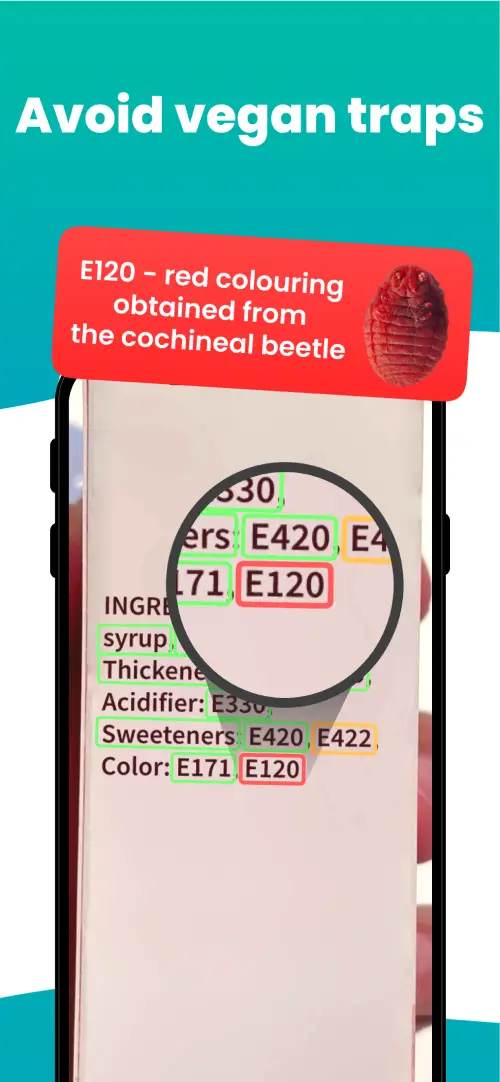
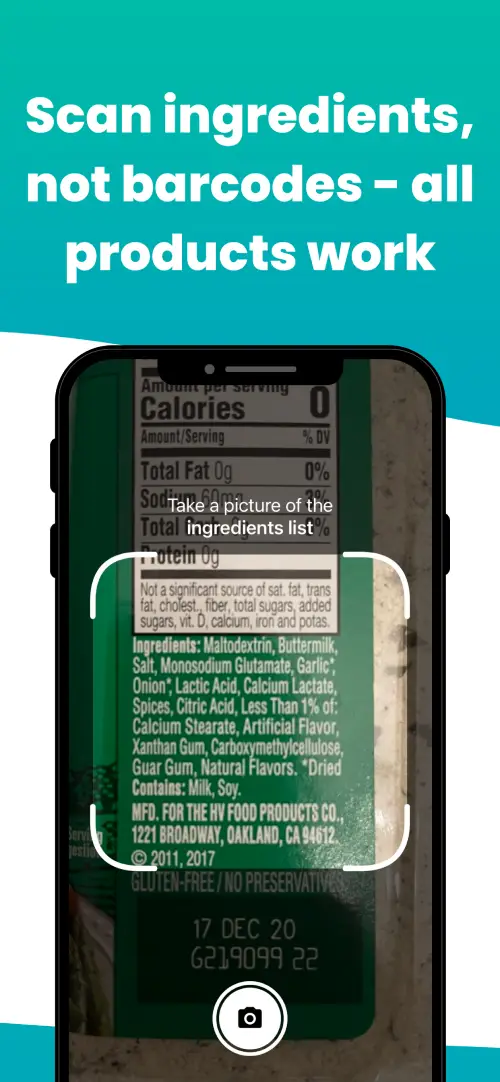
We've built a vegan ingredients scanner that classifies food ingredients as "vegan", "non-vegan", or "potentially vegan".
It allows you to avoid non-vegan ingredients - just take a picture of a product's ingredient list, and the app tells you if the product is vegan or not.

We'll never send you spam.