Is sodium lauroyl lactylate vegan?
Sodium lauroyl lactylate is potentially vegan - it can be derived from plants or animals. You should ask the manufacturer for more details.
Checking out an ingredients list? 👇
Vegan Ingredient Checker
Scan labels, check if ingredients are vegan
"You are amazing, this has saved me so much time when grocery shopping!"
— Austin, a user who reached out with feedback
"It's been a great tool since starting my journey! You take a pic of the nutrition/ingredients, and it'll warn you of anything questionable or not vegan. 😁"
— Ashe, a Vegan For Beginners Facebook Group member
"Use a vegan app when you go shopping, I use WhatsVegan."
— Dóra, a Vegan For Beginners Facebook Group member


Learn more
"You are amazing, this has saved me so much time when grocery shopping!"
— Austin, a user who reached out with feedback
"It's been a great tool since starting my journey! You take a pic of the nutrition/ingredients, and it'll warn you of anything questionable or not vegan. 😁"
— Ashe, a Vegan For Beginners Facebook Group member
"Use a vegan app when you go shopping, I use WhatsVegan."
— Dóra, a Vegan For Beginners Facebook Group member
So, what is sodium lauroyl lactylate?
Sodium lauroyl lactylate is a food additive used primarily as an emulsifier, stabilizer, and dough conditioner. It is produced by reacting lauric acid with lactic acid and neutralizing the resulting compound with a sodium base. This ingredient commonly appears in commercial baked goods, pancake mixes, processed foods, and personal care products to blend fats with liquids and improve product texture.
The ingredient is considered possibly vegan because its raw materials can come from either plant or animal origins. Lauric acid is typically extracted from plant oils like coconut or palm oil, but it can also be sourced from animal fats such as tallow. Lactic acid is generally produced through the fermentation of plant sugars such as corn or sugar beets, but it can sometimes involve dairy or animal-derived substrates. Because food labels rarely declare the origin of these underlying fatty acids, a vegan certification or direct confirmation from the manufacturer is needed to determine whether a specific product uses a plant-based source.
How to quickly find the source of ingredients like sodium lauroyl lactylate?
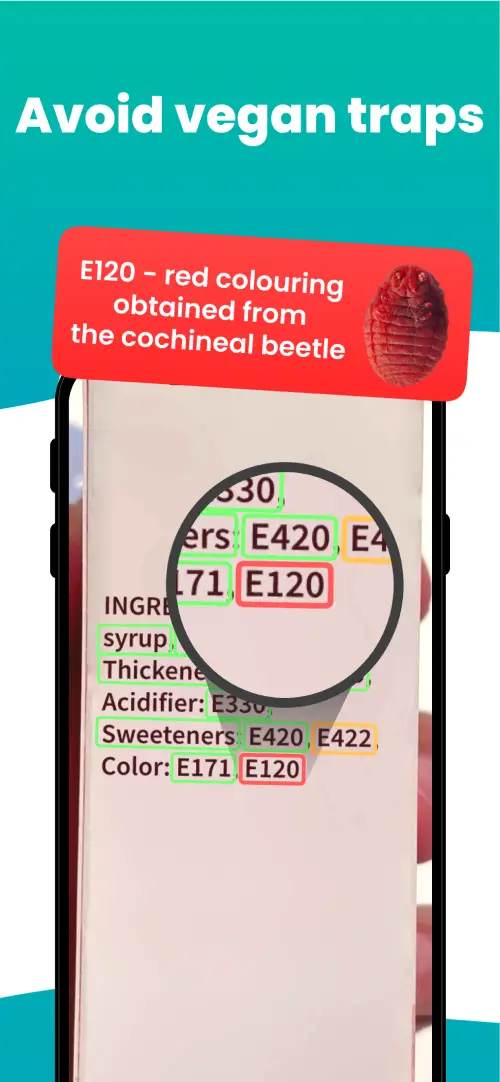
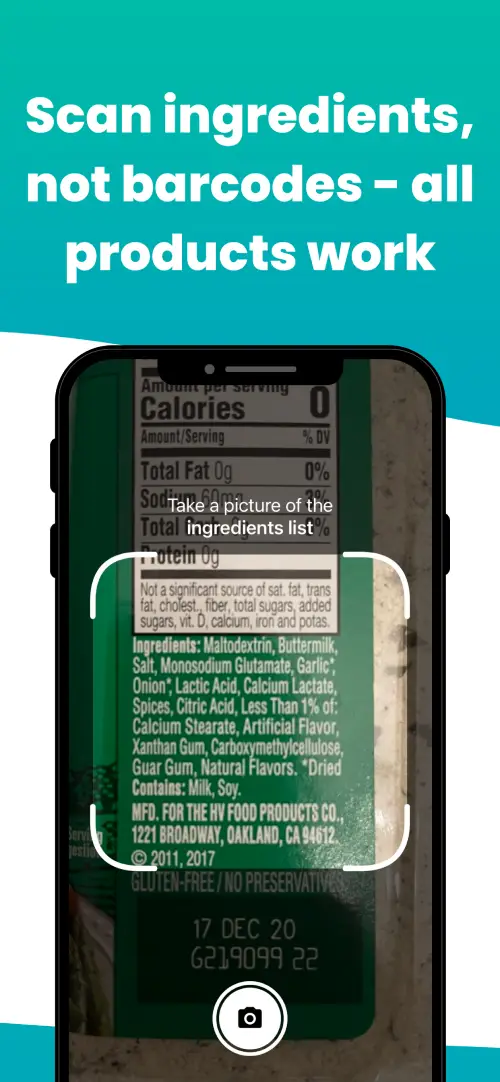
We've built a vegan ingredients scanner that classifies food ingredients as "vegan", "non-vegan", or "potentially vegan".
It allows you to avoid non-vegan ingredients - just take a picture of a product's ingredient list, and the app tells you if the product is vegan or not.

Check out other ingredients:
Is Sodium stearoyl lactylate vegan?Is Sodium-stearoyl-2-lactylate vegan?Is Mono- et diglycérides d'acides gras et stéaroyl-2-lactylate de sodium vegan?Is Sodium lauroyl sarcosinate vegan?Is Sodium / tea-lauroyl hydrolyzed animal protein vegan?Is Sodium caproyl/lauroyl lactylate vegan?Is Sodium hyaluronate vegan?Is Sodium chloride vegan?
We'll never send you spam.