
Is plant-based wax vegan?
Plant-based wax is a vegan food ingredient.
Checking out an ingredients list? 👇
"You are amazing, this has saved me so much time when grocery shopping!"
— Austin, a user who reached out with feedback
"It's been a great tool since starting my journey! You take a pic of the nutrition/ingredients, and it'll warn you of anything questionable or not vegan. 😁"
— Ashe, a Vegan For Beginners Facebook Group member
"Use a vegan app when you go shopping, I use WhatsVegan."
— Dóra, a Vegan For Beginners Facebook Group member
So, what is plant-based wax?
For those committed to a vegan lifestyle, the meticulous scrutiny of ingredients extends to every component, even seemingly innocuous elements like waxes. Plant-based waxes stand as a clear affirmation of cruelty-free innovation, offering functional versatility without compromising ethical integrity.
The Ethical Imperative of Plant-Based Waxes
Traditional waxes often come with an ethical footprint, derived from animal sources that inherently contradict vegan principles, which seek to avoid all forms of animal exploitation and byproducts. Common non-vegan waxes include beeswax, secreted by honeybees; shellac, a resinous coating produced by the female lac insect; and lanolin, extracted from sheep’s wool. These ingredients necessitate animal involvement, ranging from the managed exploitation of insect colonies to the shearing and processing of animals, making them unsuitable for vegan products.
Plant-based waxes, in stark contrast, are entirely derived from botanical sources. This inherent origin means they are by definition cruelty-free, offering a clear and unambiguous path for manufacturers to create products aligned with animal ethics. They serve as essential plant-based alternatives across countless applications, from confectionery glazes to cosmetic emulsions and industrial lubricants, ensuring that the final product adheres to strict vegan standards.
Sources and Characteristics
The world of plant-based waxes is rich and diverse, each type boasting unique properties that make it suitable for specific applications. Among the most recognized are Carnauba wax, harvested from the leaves of the Brazilian palm Copernicia prunifera, known for its robust hardness and glossy finish; Candelilla wax, derived from the leaves of the Candelilla shrub (Euphorbia antisyphilitica), offering a slightly softer texture and excellent film-forming capabilities.
Beyond these, innovations have brought other plant-based waxes to the forefront, including Sunflower wax, extracted from the refined oil of sunflower seeds, which provides an effective viscosity modifier and emulsifier; Rice Bran wax, a byproduct of rice bran oil refining, valued for its high melting point and smooth texture; and Olive wax, derived from olive oil, offering a softer, more pliable consistency. Each of these botanical waxes is processed to extract and purify the waxy esters, typically through mechanical means or solvent extraction followed by refining, ensuring their purity and suitability for various formulations.
Applications and Label Transparency
In food science, plant-based waxes are invaluable. They function as protective coatings on fruits and vegetables, extending shelf life by reducing moisture loss and maintaining freshness. They also act as emulsifiers, binding oil and water phases, or as texturizing agents, providing desired mouthfeel and structural integrity in items like vegan chocolates or confectionery. They are frequently utilized as processing aids to prevent sticking or to provide a glossy finish, all without relying on animal inputs.
For consumers, label transparency is paramount. The clear identification of "Carnauba Wax," "Candelilla Wax," or "Sunflower Wax" on an ingredient list signifies a deliberate choice for cruelty-free components. While the waxes themselves are unequivocally vegan, vigilance remains important for other ingredients within a product, and reputable manufacturers will ensure their entire supply chain, including any processing aids used, meets vegan standards. The rise of robust third-party vegan certifications further assists consumers in identifying truly vegan products that incorporate these ethical and functional plant-based solutions.
How to quickly find the source of ingredients like plant-based wax?
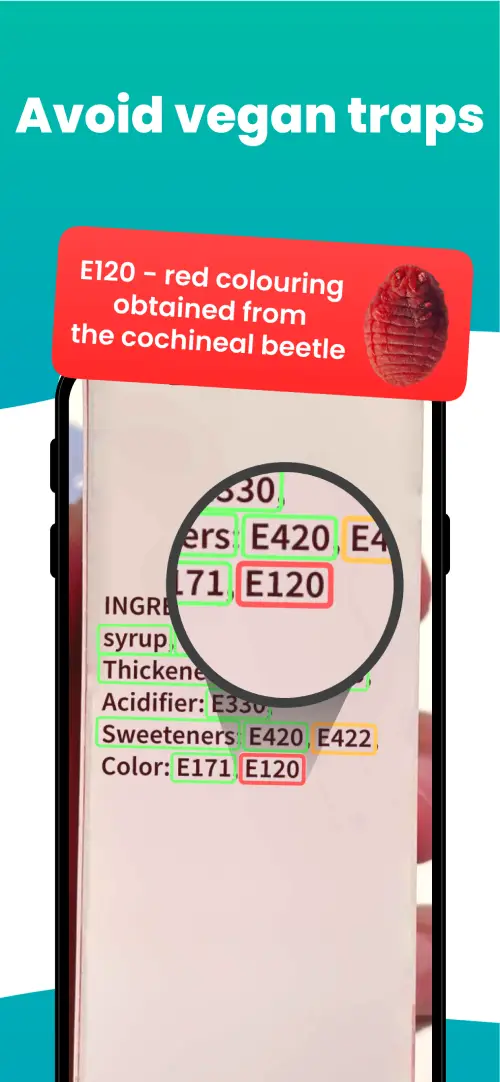
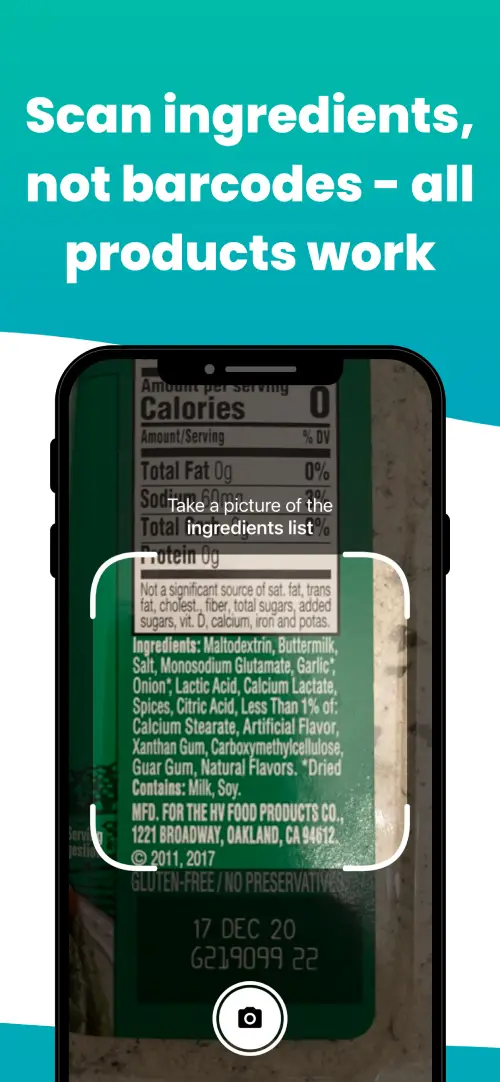
We've built a vegan ingredients scanner that classifies food ingredients as "vegan", "non-vegan", or "potentially vegan".
It allows you to avoid non-vegan ingredients - just take a picture of a product's ingredient list, and the app tells you if the product is vegan or not.



Check out other ingredients:
Is plant wax vegan?Is rice-bran wax vegan?Is veg wax vegan?Is jojoba wax vegan?Is seed wax vegan?Is vegan wax vegan?Is nonfat dried coconut milk vegan?Is copernicia cerifera cera vegan?Is milled flax seed vegan?Is euphorbia cerifera cera vegan?Are blackstrap molasses vegan?Is rhus verniciflua peel cera vegan?
We'll never send you spam.