
Is copernicia cerifera cera vegan?
Copernicia cerifera cera is a vegan food ingredient.
Checking out an ingredients list? 👇
"You are amazing, this has saved me so much time when grocery shopping!"
— Austin, a user who reached out with feedback
"It's been a great tool since starting my journey! You take a pic of the nutrition/ingredients, and it'll warn you of anything questionable or not vegan. 😁"
— Ashe, a Vegan For Beginners Facebook Group member
"Use a vegan app when you go shopping, I use WhatsVegan."
— Dóra, a Vegan For Beginners Facebook Group member
So, what is copernicia cerifera cera?
Copernicia Cerifera Cera: Understanding This Essential Plant-Derived Ingredient
When examining the intricate world of food science and ethical sourcing, few ingredients offer the reliability and utility of Copernicia cerifera cera. More commonly known as carnauba wax, this natural exudate from the leaves of the carnauba palm ( Copernicia prunifera) stands as a cornerstone in vegan formulations across various industries.
The origin of carnauba wax is entirely botanical, harvested from the majestic palm trees native to northeastern Brazil. The palm secretes this protective waxy coating onto its leaves to prevent dehydration in its arid environment. Harvesters carefully collect these leaves, dry them, and then beat or scrape off the wax. The raw flakes are subsequently refined through processes like melting, filtering, and bleaching, resulting in the hard, brittle, yellowish-brown wax widely utilized today. Its distinct properties include a high melting point, excellent emulsifying capabilities, and a remarkable ability to provide gloss and structural integrity.
From an animal ethics perspective, carnauba wax is unequivocally vegan. Its production involves no animal products, by-products, or derivatives at any stage. There is no animal exploitation, no animal testing, and no sourcing from insect secretions or animal tissues. This makes it an ideal and frequently chosen plant-based alternative to animal-derived waxes, such as beeswax, for those committed to a cruelty-free lifestyle. For the vegan consumer, the clarity of carnauba wax's origin provides genuine peace of mind, aligning perfectly with principles of purity and non-harm.
In culinary applications, carnauba wax is indispensable. It acts as a glazing agent for candies, a stabilizer in chewing gums, and a texture enhancer in baked goods and confections. Its ability to create a smooth, glossy finish and prevent melting or sticking is paramount in many products. Beyond food, it's a critical component in cosmetics, pharmaceuticals, and polishes, valued for its hardness and protective qualities.
While consumers rightly scrutinize ingredient lists for hidden animal-derived components or ethically ambiguous processing aids, carnauba wax itself does not carry these concerns. Its direct plant source mitigates the "gray area" issues that might arise with other ingredients, where label transparency is often paramount. However, as with any ingredient, diligent consumers may seek products from manufacturers committed to clear communication about their entire supply chain, ensuring that even upstream processes remain consistent with vegan standards.
Ultimately, Copernicia cerifera cera embodies the essence of a truly vegan ingredient. Its natural, plant-based origin, coupled with its functional versatility, positions it as an essential and ethically sound choice for formulators and a trusted component for consumers seeking pure, cruelty-free products.
How to quickly find the source of ingredients like copernicia cerifera cera?
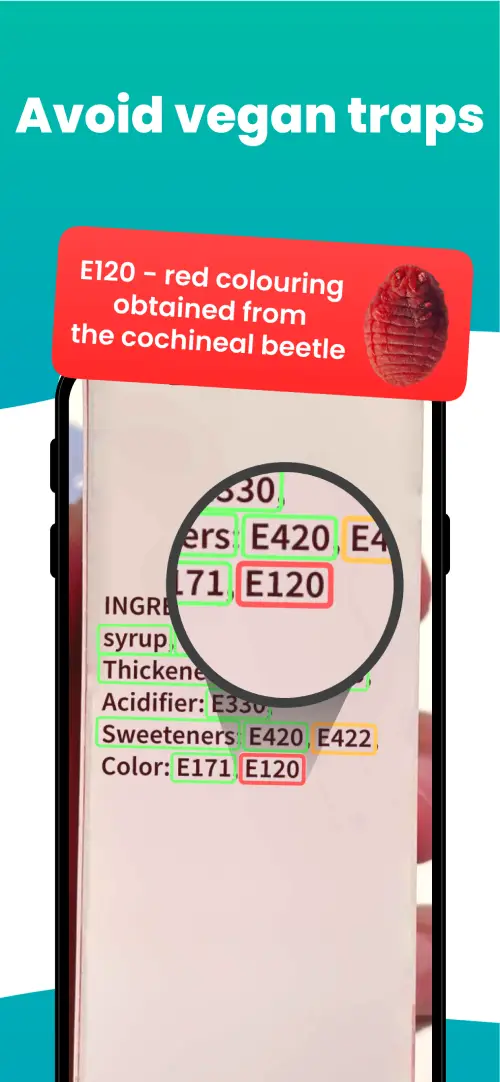
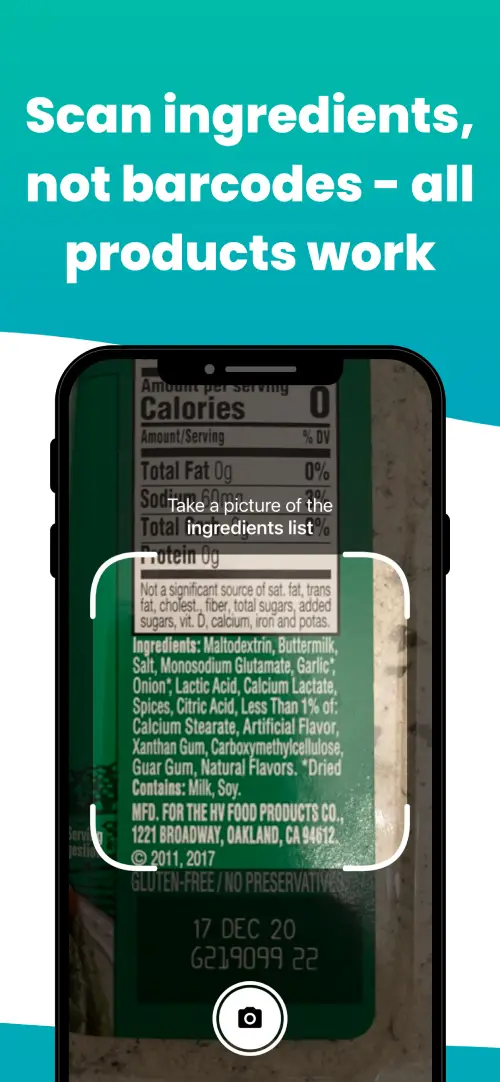
We've built a vegan ingredients scanner that classifies food ingredients as "vegan", "non-vegan", or "potentially vegan".
It allows you to avoid non-vegan ingredients - just take a picture of a product's ingredient list, and the app tells you if the product is vegan or not.



Check out other ingredients:
Is myrica cerifera fruit wax vegan?Is veg wax vegan?Is carnauba palm vegan?Is helianthus annuus seed cera vegan?Is palm wax vegan?Is plant-based wax vegan?Is theobroma grandiflorum seed butter vegan?Is plant wax vegan?Is lavender extract vegan?Is baobab oil vegan?Is jojoba wax vegan?Is rose infused organic jojoba oil vegan?
We'll never send you spam.