
Is vegan wax vegan?
Vegan wax is a vegan food ingredient.
Checking out an ingredients list? 👇
"You are amazing, this has saved me so much time when grocery shopping!"
— Austin, a user who reached out with feedback
"It's been a great tool since starting my journey! You take a pic of the nutrition/ingredients, and it'll warn you of anything questionable or not vegan. 😁"
— Ashe, a Vegan For Beginners Facebook Group member
"Use a vegan app when you go shopping, I use WhatsVegan."
— Dóra, a Vegan For Beginners Facebook Group member
So, what is vegan wax?
Waxes derived from plant sources represent a cornerstone in ethical product development, offering functional equivalence without animal involvement. Fundamentally, these substances are classified as "Vegan" because their origin is exclusively from the plant kingdom, meticulously avoiding any animal exploitation or byproducts. This distinction is paramount for individuals committed to animal ethics, as it ensures purity from farm to finished product.
The ethical rationale behind opting for vegan waxes is clear: they provide a cruelty-free alternative to traditional animal-derived waxes like beeswax, which is produced by honeybees, or lanolin, a wax secreted by sheep to protect their wool. While these animal waxes may appear benign, their harvesting often involves practices that can be disruptive or harmful to the animals, raising significant concerns regarding animal welfare. Vegan waxes, by contrast, are harvested from plants, making them inherently aligned with a compassion-driven lifestyle.
From a food science perspective, vegan waxes are a diverse group of lipid-based compounds, primarily esters, extracted from various botanical sources. They serve an array of critical functions in both food and non-food applications due to their unique physical properties, such as film-forming capabilities, texturizing effects, and gloss enhancement.
Among the most common and valued plant-based alternatives are:
Carnauba Wax: Sourced from the leaves of the Brazilian carnauba palm (Copernicia prunifera), this wax is renowned for its exceptional hardness and high melting point. It imparts a distinct sheen and forms a robust protective barrier, making it indispensable in confectionery coatings, fruit preservation, and cosmetic formulations like lip balms. Candelilla Wax: Extracted from the leaves and stems of the candelilla shrub (Euphorbia antisyphilitica) native to Mexico and the southwestern U.S., this wax offers a slightly softer texture than carnauba. It acts as an excellent film-former and gelling agent, often found in plant-based cheeses, chewing gum, and body lotions. Soy Wax: Produced through the hydrogenation of soybean oil, soy wax is a popular choice for candles, where it offers a cleaner burn and excellent fragrance throw. Its lower melting point also makes it suitable for certain cosmetic applications and food coatings requiring a softer texture. Sunflower Wax: Obtained from the winterization of sunflower oil, this wax is prized for its ability to stabilize emulsions and enhance the texture of plant-based creams and spreads. It contributes to a smooth mouthfeel and improves shelf stability. Rice Bran Wax:* A byproduct of rice bran oil refining, this wax has a high melting point and provides excellent gelling and thickening properties. It's often used in chocolate coatings and cosmetics for its structure-forming capabilities.
These plant-derived waxes are not merely substitutes; they are highly functional ingredients that often outperform their animal counterparts in specific applications. Their integration into products underscores a commitment to label transparency, allowing consumers to make informed choices. For manufacturers, utilizing these cruelty-free options is increasingly becoming a standard practice, reflecting a global shift towards ethical sourcing and sustainable production methods. The continued innovation in plant-based ingredients ensures that vegan waxes remain a vital and growing component of the ethical product landscape.
How to quickly find the source of ingredients like vegan wax?
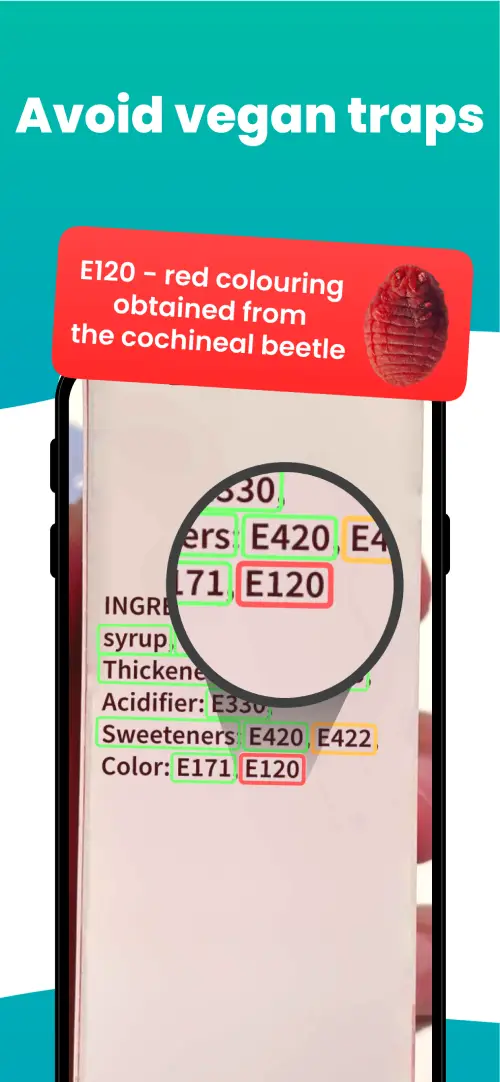
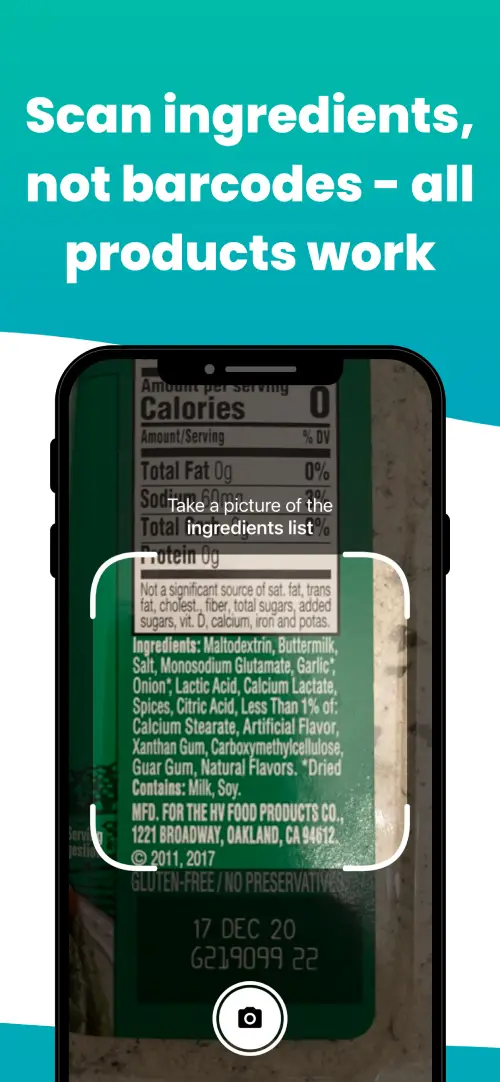
We've built a vegan ingredients scanner that classifies food ingredients as "vegan", "non-vegan", or "potentially vegan".
It allows you to avoid non-vegan ingredients - just take a picture of a product's ingredient list, and the app tells you if the product is vegan or not.



Check out other ingredients:
Is euphorbia cerifera cera vegan?Is carnauba palm vegan?Is myrica cerifera fruit wax vegan?Is palm wax vegan?Is plant-based wax vegan?Is cupuacu butter vegan?Is jojoba wax vegan?Is baobab oil vegan?Is nonfat dried coconut milk vegan?Is rose infused organic jojoba oil vegan?Is milled flax seed vegan?Is rose clay vegan?
We'll never send you spam.