
Is veg wax vegan?
Veg wax is a vegan food ingredient.
Checking out an ingredients list? 👇
"You are amazing, this has saved me so much time when grocery shopping!"
— Austin, a user who reached out with feedback
"It's been a great tool since starting my journey! You take a pic of the nutrition/ingredients, and it'll warn you of anything questionable or not vegan. 😁"
— Ashe, a Vegan For Beginners Facebook Group member
"Use a vegan app when you go shopping, I use WhatsVegan."
— Dóra, a Vegan For Beginners Facebook Group member
So, what is veg wax?
An Essential Component for Ethical Formulations: Exploring Veg Wax
In the landscape of conscious consumption and ethical product development, the term "veg wax" represents a pivotal category of ingredients. Far from a single entity, it encompasses a diverse group of naturally derived waxes extracted directly from the botanical world. These plant-sourced compounds are indispensable for formulators seeking to create truly animal-free products across various industries, providing the structural integrity, emollience, and textural qualities typically associated with their animal-derived counterparts.
The Uncompromised Purity of Plant Origin
The inherent vegan status of veg wax is rooted unequivocally in its botanical source. Unlike beeswax, which is laboriously produced by honeybees (and often harvested in ways that compromise colony health), or lanolin, a waxy secretion from sheep's wool, veg waxes are cultivated and extracted from specific plant species without any animal involvement. This direct plant origin is the fundamental "why" behind its appeal for those adhering to animal ethics and seeking purity in their products. It eliminates concerns regarding animal exploitation, byproduct utilization, or the potential for animal suffering inherent in many traditional wax production methods. Veg wax, therefore, stands as a fundamental pillar of cruelty-free formulation, offering peace of mind to manufacturers and consumers alike.
A Spectrum of Botanical Functionality
The world of veg wax is rich with variety, each type offering unique properties. Carnauba wax, harvested from the leaves of the Brazilian palm tree, provides an impressive hardness and high melting point, yielding a glossy finish desirable in both food coatings and cosmetic applications like lipsticks and mascara. Candelilla wax, derived from the leaves of the candelilla shrub, offers a slightly softer texture with excellent binding properties, ideal for creating stable emulsions and smooth balms.
Beyond these well-known examples, other plant-based alternatives include sunflower wax, soy wax, and rice bran wax. Sunflower wax, extracted from the seeds of the sunflower plant, often contributes a creamy texture and improved stability. Soy wax, a hydrogenated form of soybean oil, is a popular choice for candles due to its clean burn and excellent fragrance throw. Rice bran wax, from the outer layer of rice grains, is valued for its ability to increase viscosity and act as a natural emollient. This diversity allows formulators to select the optimal wax for specific textural, stability, and sensory goals, all while maintaining an unwavering commitment to plant-based ingredients.
Applications and the Drive for Transparency
Veg waxes serve a multitude of functions across food, cosmetic, and personal care sectors. In food science, they contribute to the sheen and preservation of confectionery and fruit coatings. Within cosmetics, they are crucial for solidifying sticks and balms, enhancing texture in creams, and providing structure in anhydrous products. Their functionality as processing aids is invaluable, dictating the rheology and melt characteristics of final formulations.
As consumers increasingly scrutinize ingredient lists, the demand for label transparency grows. Clearly identifying "veg wax" or its specific botanical names on product labels provides assurance that a product aligns with vegan principles. This commitment to transparent sourcing and clear communication helps foster trust and ensures that the choices consumers make genuinely support a cruelty-free lifestyle. Veg wax is not merely an ingredient; it is an embodiment of ethical innovation, driving the progression towards a more compassionate consumer market.
How to quickly find the source of ingredients like veg wax?
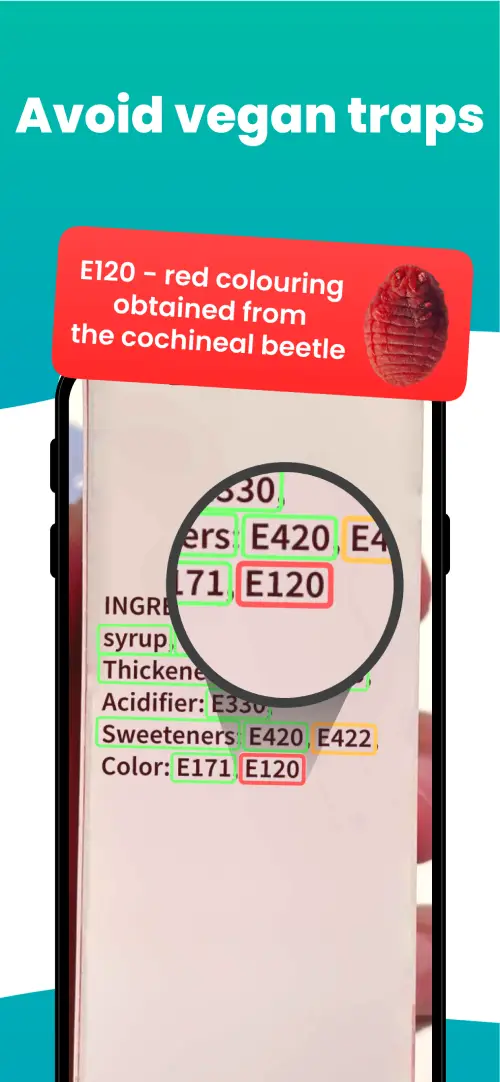
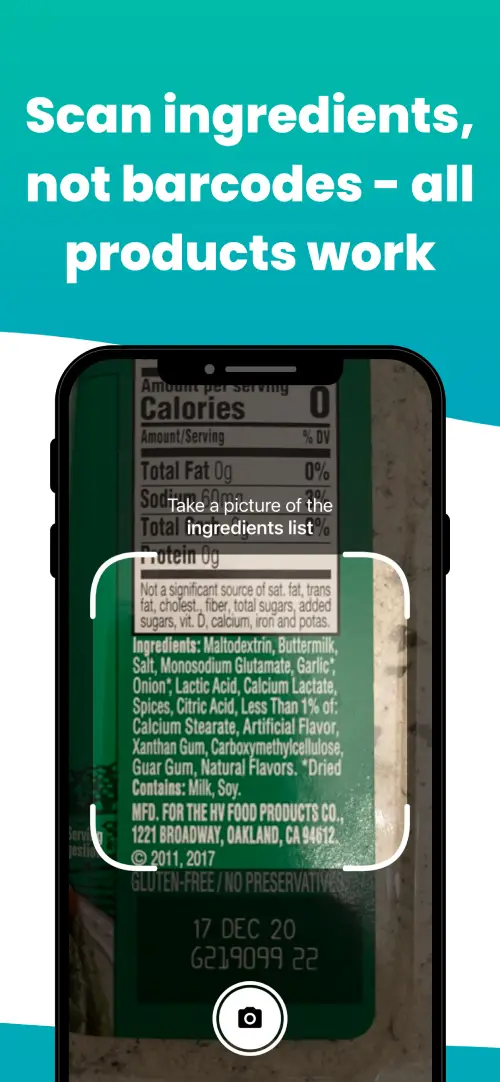
We've built a vegan ingredients scanner that classifies food ingredients as "vegan", "non-vegan", or "potentially vegan".
It allows you to avoid non-vegan ingredients - just take a picture of a product's ingredient list, and the app tells you if the product is vegan or not.



Check out other ingredients:
Is veggie wax vegan?Is carnauba palm vegan?Is copernicia cerifera cera vegan?Is plant-based wax vegan?Is plant wax vegan?Is rhus verniciflua peel cera vegan?Is myrica cerifera fruit wax vegan?Is jojoba wax vegan?Is helianthus annuus seed cera vegan?Is nonfat dried coconut milk vegan?Is cupuacu butter vegan?Is theobroma grandiflorum seed butter vegan?
We'll never send you spam.