
Is polyethylene terephthalate vegan?
Polyethylene terephthalate is a vegan food ingredient.
Checking out an ingredients list? 👇
"You are amazing, this has saved me so much time when grocery shopping!"
— Austin, a user who reached out with feedback
"It's been a great tool since starting my journey! You take a pic of the nutrition/ingredients, and it'll warn you of anything questionable or not vegan. 😁"
— Ashe, a Vegan For Beginners Facebook Group member
"Use a vegan app when you go shopping, I use WhatsVegan."
— Dóra, a Vegan For Beginners Facebook Group member
So, what is polyethylene terephthalate?
Understanding Polyethylene Terephthalate: A Vegan Material Science Perspective
Polyethylene terephthalate, commonly known as PET, is a ubiquitous synthetic polymer found across various industries, most notably in food and beverage packaging. For those committed to a vegan lifestyle, understanding the origins and composition of materials encountered daily is paramount. From an animal ethics and purity standpoint, PET stands as a clear and unambiguous example of a vegan material.
The Molecular Make-up: Inherently Animal-Free
At its core, PET is a thermoplastic polymer. Its creation involves the chemical reaction of two primary monomers: terephthalic acid and ethylene glycol. Critically, both of these precursors are derived from petroleum. The process involves multiple steps of synthesis and polymerization, but at no point in this manufacturing chain are animal-derived substances utilized as raw materials. No animal fats, proteins, enzymes, or any other animal byproducts are integrated into the polymer structure or necessary for its fundamental formation.
This synthetic origin is the bedrock of PET's vegan status. It is an entirely man-made material, constructed from non-biological, fossil-fuel-based components. This ensures a purity that aligns directly with vegan principles, as no animal life or its derivatives contribute to its existence.
Ethical Foundations: Cruelty-Free by Design
The very process of creating polyethylene terephthalate is inherently cruelty-free. There are no animals involved in the sourcing of its raw materials, nor are they used in its synthesis. This contrasts sharply with certain other industrial materials where animal products might inadvertently be present as processing aids, lubricants, or even in filtration steps. For PET, the chemical reactions that form the polymer do not necessitate such inputs.
While some broader manufacturing processes for unrelated items might involve animal testing, the material science behind PET itself is not reliant on such practices. This makes PET a reliable choice for packaging and containers when considering a comprehensive vegan and cruelty-free approach to consumption. It's important to distinguish the material itself from the contents it might hold; while a PET bottle is vegan, the liquid inside still requires scrutiny for label transparency.
PET in the Vegan Kitchen and Beyond
PET's primary role for the vegan consumer is as a packaging material. Think of water bottles, soda bottles, and various food containers like those for nut butters or sauces. Its properties—lightweight, durable, clear, and excellent barrier characteristics—make it highly suitable for these applications.
It's crucial to understand that PET is not a "plant-based alternative" in the sense of an edible ingredient. Rather, it is a vegan-suitable material that enables the safe and convenient storage of plant-based foods and beverages. Its inert nature means it doesn't leach animal-derived compounds into the contents, maintaining the integrity of vegan products. Therefore, when choosing a product, one can be confident that the PET packaging itself aligns with animal ethics.
A Broader Ethical Lens: Beyond the Material
While PET unequivocally meets the criteria for being vegan from an ingredient and manufacturing standpoint, it's also worth acknowledging that many vegans extend their ethical considerations to environmental impact. The widespread use of single-use plastics, including PET, and concerns about recycling infrastructure or plastic pollution are valid and significant discussions. However, these environmental considerations are separate from the material's vegan status regarding animal input or harm in its creation. From a strict animal ethics perspective concerning its composition, PET remains a sound vegan choice.
Conclusion: A Clear Choice for Vegan Consumers
Polyethylene terephthalate is a synthetic polymer derived from petroleum, completely free from animal products or byproducts at any stage of its manufacturing. It is a material whose creation causes no direct harm to animals, making it an entirely suitable and cruelty-free option for packaging and other applications within a vegan lifestyle. For those prioritizing animal ethics and purity in their choices, PET represents a reliable and unambiguous vegan material.
How to quickly find the source of ingredients like polyethylene terephthalate?
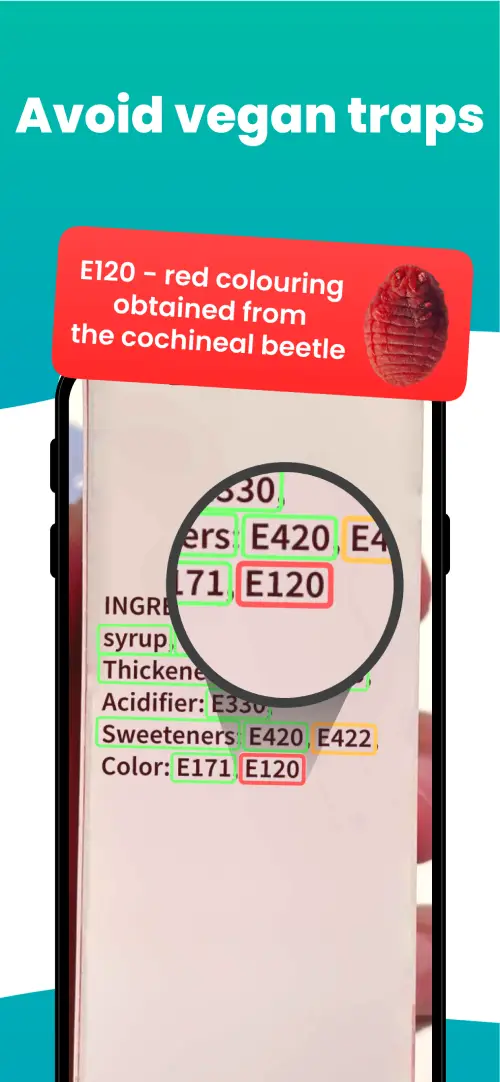
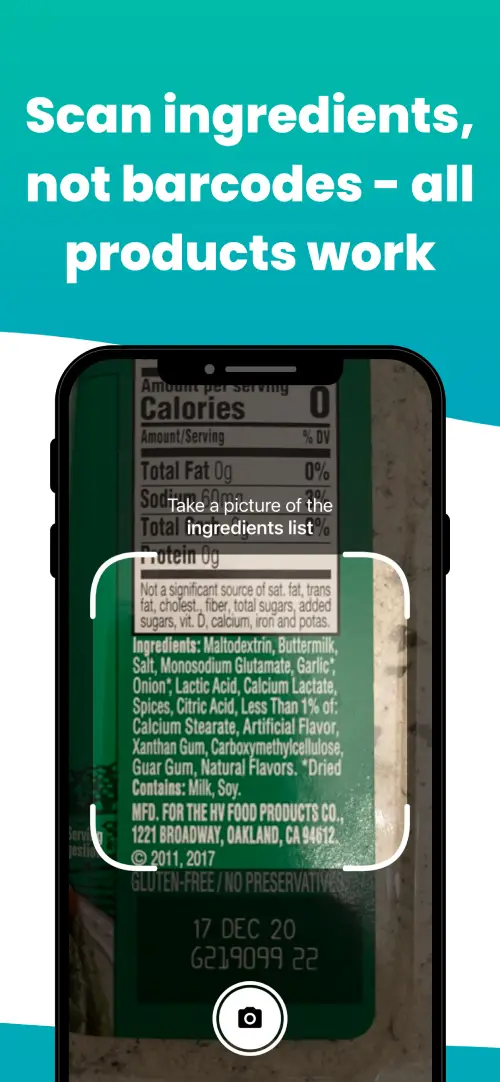
We've built a vegan ingredients scanner that classifies food ingredients as "vegan", "non-vegan", or "potentially vegan".
It allows you to avoid non-vegan ingredients - just take a picture of a product's ingredient list, and the app tells you if the product is vegan or not.



Check out other ingredients:
Is talc vegan?Is silica vegan?Is lotus flower vegan?Is nymphaea lotus alba vegan?Is rubia cordifolia vegan?Is crocus sativus vegan?Is éclats de fèves cacao vegan?Is copernicia cerifera vegan?Is eau ajoutée vegan?Are hortalïzas vegan?Is cassabanana vegan?Is aceite de semilla de girasol vegan?
We'll never send you spam.