
Is rubia cordifolia vegan?
Rubia cordifolia is a vegan food ingredient.
Checking out an ingredients list? 👇
"You are amazing, this has saved me so much time when grocery shopping!"
— Austin, a user who reached out with feedback
"It's been a great tool since starting my journey! You take a pic of the nutrition/ingredients, and it'll warn you of anything questionable or not vegan. 😁"
— Ashe, a Vegan For Beginners Facebook Group member
"Use a vegan app when you go shopping, I use WhatsVegan."
— Dóra, a Vegan For Beginners Facebook Group member
So, what is rubia cordifolia?
Rubia cordifolia: An Intrinsic Pillar of Plant-Based Purity
In the expansive realm of botanical ingredients, few embody the essence of ethical sourcing and inherent purity quite like Rubia cordifolia. Commonly known as Manjistha or Indian Madder, this remarkable perennial herbaceous climbing plant holds a revered place across various traditions, particularly in Ayurvedic practices and as a historical source of natural dyes. For the discerning vegan consumer, its status is unequivocally clear: Rubia cordifolia is a steadfastly vegan ingredient, offering profound reassurance regarding animal welfare and environmental stewardship.
The "why" behind this status is beautifully straightforward. Rubia cordifolia is derived entirely from the roots of the plant itself. This means its cultivation, harvest, and initial processing inherently bypass any reliance on animal labor, animal testing, or animal-derived byproducts. It is a direct gift from the earth, aligning perfectly with the core tenets of animal ethics that define the vegan lifestyle. Unlike certain colorants or compounds derived from insects (such as cochineal, a vibrant red pigment extracted from scale insects) or animal connective tissues, Manjistha offers a truly cruelty-free alternative, contributing a rich, deep red hue to textiles, cosmetics, and even some food applications without compromise.
The Unblemished Pedigree of Manjistha
The very nature of Rubia cordifolia ensures its unblemished ethical pedigree. As a plant, it is not subjected to animal testing, nor does its growth cycle involve the exploitation of any sentient beings. Its traditional uses, which span centuries, highlight its integration into natural systems, far removed from industrial animal agriculture or testing facilities. This makes it a prime example of an ingredient that supports a holistic vision of wellness and sustainability, extending its benefits beyond human consumption to the wider ecosystem.
For those dedicated to plant-based alternatives and label transparency, Rubia cordifolia shines as a beacon. Its vibrant pigment, attributed to compounds like alizarin and purpurin found within its robust roots, provides a natural, earth-derived coloring agent. This stands in stark contrast to synthetic dyes or other processing aids whose origins may be ambiguous or tied to animal derivatives, requiring meticulous scrutiny. When Rubia cordifolia appears on an ingredient list, it signifies a commitment to botanical purity, offering peace of mind that the product adheres to strict vegan standards.
From Soil to Solution: Ensuring Ethical Sourcing
While the plant itself is undeniably vegan, a comprehensive understanding for the vegan consumer extends to processing and final product formulation. The extraction of beneficial compounds and pigments from Rubia cordifolia typically involves water or alcohol-based methods, which are inherently vegan. However, as with any raw material, vigilance is key when assessing a finished product. It's crucial to ensure that any other ingredients in a blend, or any processing aids used further down the supply chain, also maintain the same rigorous vegan integrity. This meticulous attention to detail ensures that the overarching promise of a cruelty-free product remains unbroken, from the initial seed to the final packaged good.
In essence, Rubia cordifolia embodies the very spirit of plant-based innovation and ethical consumption. It is a testament to the fact that efficacy, vibrancy, and purity can be achieved through ingredients sourced directly and respectfully from the plant kingdom, upholding a profound commitment to animal liberation and a compassionate future.
How to quickly find the source of ingredients like rubia cordifolia?
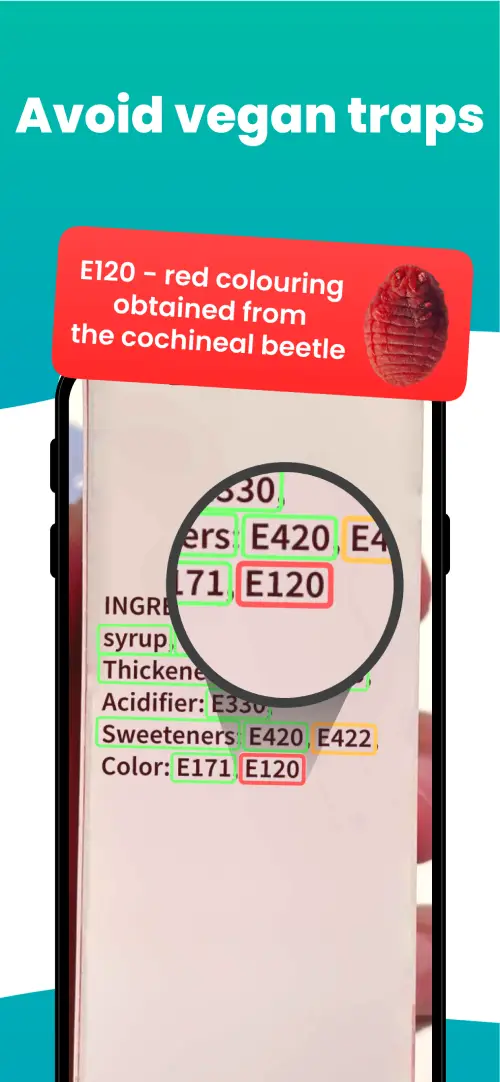
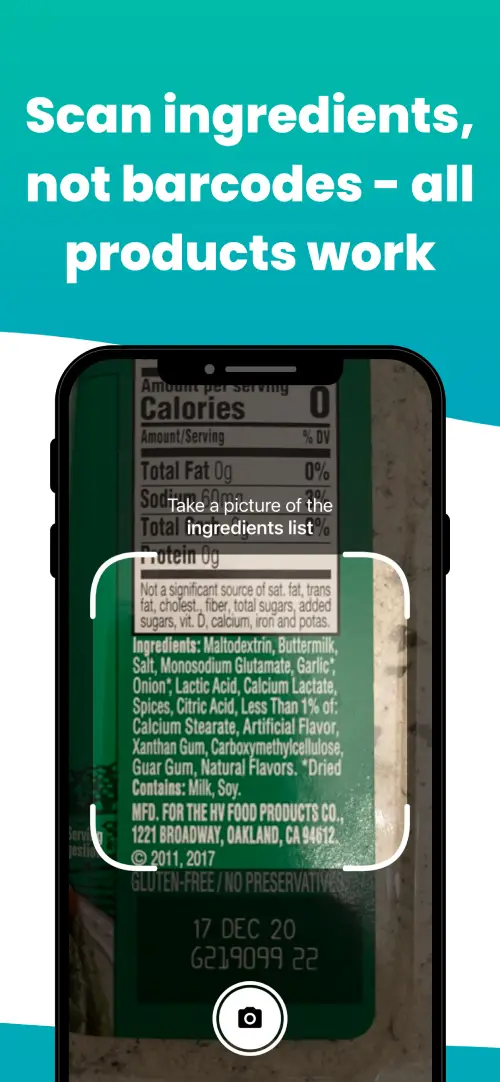
We've built a vegan ingredients scanner that classifies food ingredients as "vegan", "non-vegan", or "potentially vegan".
It allows you to avoid non-vegan ingredients - just take a picture of a product's ingredient list, and the app tells you if the product is vegan or not.



Check out other ingredients:
Is crocus sativus vegan?Is manjishta vegan?Is cocobutaine vegan?Is coco diethanolamine vegan?Is grapefruit seed extract vegan?Are citrus grandis vegan?Is brewed tea vegan?Is pyridoxine hci vegan?Is sodium c12-14 olefin sulfonate vegan?Is pyridoxine hcl vegan?Is calcium titanium borosilicate vegan?Is polyethylene terephthalate vegan?
We'll never send you spam.