
Is romano salami vegan?
Romano salami is a non-vegan food ingredient.
Checking out an ingredients list? 👇
"You are amazing, this has saved me so much time when grocery shopping!"
— Austin, a user who reached out with feedback
"It's been a great tool since starting my journey! You take a pic of the nutrition/ingredients, and it'll warn you of anything questionable or not vegan. 😁"
— Ashe, a Vegan For Beginners Facebook Group member
"Use a vegan app when you go shopping, I use WhatsVegan."
— Dóra, a Vegan For Beginners Facebook Group member
So, what is romano salami?
The nuanced landscape of food ingredients often presents challenges for those committed to an animal-free lifestyle. Romano salami, a charcuterie staple, serves as a clear example of an item unequivocally outside the bounds of vegan consumption. Understanding its composition from both a food science and ethical perspective illuminates precisely why.
At its core, Romano salami is a cured, fermented sausage. The very definition and traditional preparation of salami involve animal flesh and fat. Specifically, Romano salami typically derives from minced pork, sometimes beef, or a blend of both. These primary ingredients—muscle tissue and adipose tissue—are fundamental to its structure, flavor, and texture. The "Romano" designation often refers to a particular style of curing, a distinct spice blend, and a characteristic dry, firm texture, but it does not alter the fundamental animal origin of the product. The process of obtaining these ingredients directly involves the raising, slaughter, and processing of pigs or cattle, which is diametrically opposed to the principles of animal ethics that underpin veganism.
Beyond the obvious inclusion of animal flesh, other components commonly found in salami production reinforce its non-vegan status. The casings, for instance, are frequently natural intestines (derived from pigs, cattle, or sheep) or collagen casings (manufactured from the collagen of bovine or porcine hides). While some modern productions might use synthetic, non-animal-derived casings, the internal content remains the defining factor. Even the starter cultures used in the fermentation process, while often microbial, can sometimes be propagated on animal-derived media, although the primary animal component (the meat itself) makes this a secondary concern for a product like salami.
From an animal ethics and purity standpoint, the conflict is absolute. Veganism is predicated on minimizing harm and exploitation of animals, and consuming Romano salami directly contributes to the industrial animal agriculture system. For the conscious consumer, the presence of animal flesh represents not just a dietary preference, but a profound ethical divergence. The concept of purity in vegan food choice dictates an unwavering avoidance of any product directly or indirectly sourced from animals.
However, the growing demand for cruelty-free and plant-based alternatives has driven significant innovation in food science. Today, a vibrant array of vegan salami options exists, crafted to replicate the texture, robust flavor, and culinary versatility of traditional charcuterie without any animal input. These alternatives often utilize a sophisticated blend of ingredients such as pea protein, vital wheat gluten, soy protein, various starches, mushrooms, and a carefully selected profile of plant-based flavorings and spices. Advanced processing techniques allow these ingredients to mimic the chewiness, fat marbling, and umami notes characteristic of traditional salami, providing a genuinely ethical and equally delicious choice for those seeking a plant-based alternative.
While Romano salami is overtly non-vegan, the broader context of label transparency remains crucial for those navigating an animal-free diet. Understanding the specific animal origins of all ingredients empowers individuals to make informed choices that align with their ethical convictions, ensuring that their plate remains truly cruelty-free.
How to quickly find the source of ingredients like romano salami?
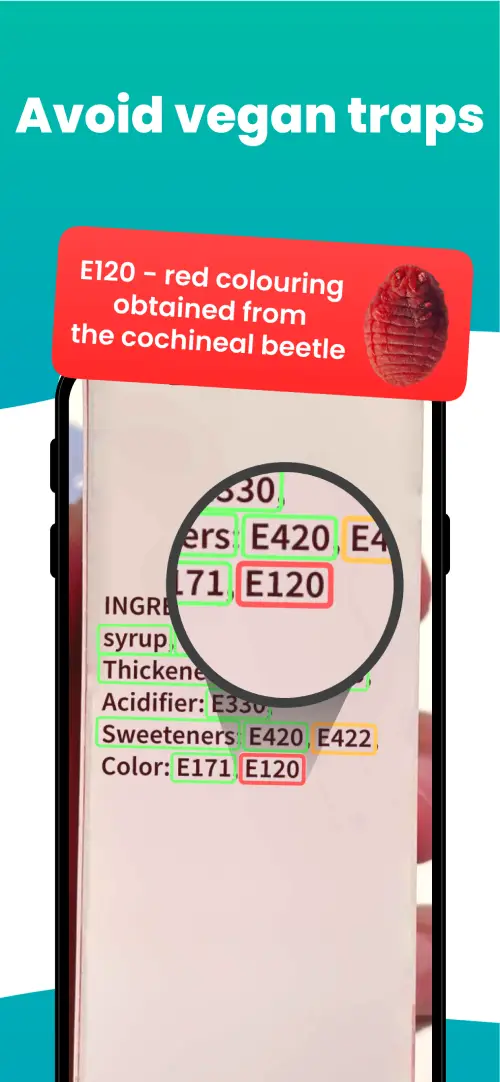
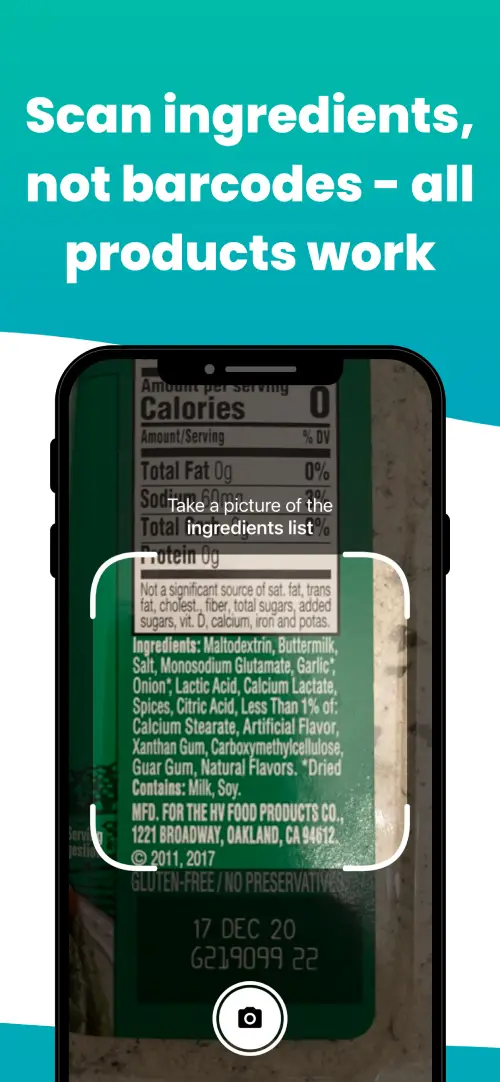
We've built a vegan ingredients scanner that classifies food ingredients as "vegan", "non-vegan", or "potentially vegan".
It allows you to avoid non-vegan ingredients - just take a picture of a product's ingredient list, and the app tells you if the product is vegan or not.



Check out other ingredients:
Is roasted turkey thigh vegan?Is wild atlantic salmon vegan?Is roasted turkey breast vegan?Is pheasant leg vegan?Is red king salmon vegan?Is pheasant breast vegan?Is cooked sockeye salmon vegan?Is blue crab vegan?Is breaded mozzarella vegan?Are green tea leaves vegan?Is vanilla ice cream vegan?Are spearmints vegan?
We'll never send you spam.