
Is vanilla ice cream vegan?
Vanilla ice cream is a non-vegan food ingredient.
Checking out an ingredients list? 👇
"You are amazing, this has saved me so much time when grocery shopping!"
— Austin, a user who reached out with feedback
"It's been a great tool since starting my journey! You take a pic of the nutrition/ingredients, and it'll warn you of anything questionable or not vegan. 😁"
— Ashe, a Vegan For Beginners Facebook Group member
"Use a vegan app when you go shopping, I use WhatsVegan."
— Dóra, a Vegan For Beginners Facebook Group member
So, what is vanilla ice cream?
Unpacking Traditional Vanilla Ice Cream: A Critical Ingredient Analysis
Vanilla ice cream, a perennial favorite globally, is often perceived as a simple indulgence. However, from the perspective of animal ethics and ingredient purity, traditional vanilla ice cream is unequivocally not vegan. Its core composition fundamentally relies on animal agriculture, making it unsuitable for those adhering to a cruelty-free lifestyle.
The Dairy Foundation: Why It's Not Vegan
The primary reason traditional vanilla ice cream falls into the "Not Vegan" category is its dairy base. The characteristic creamy texture and rich mouthfeel are overwhelmingly derived from cow's milk and cream. These ingredients are products of an industrial system that breeds, confines, and exploits female bovines for their lactational output. Cows are artificially inseminated, bear calves who are often separated shortly after birth, and endure repeated lactation cycles until their production declines, at which point they are typically sent for slaughter. The milk itself, while a natural secretion from the mammary glands, is harvested under conditions that inherently conflict with animal welfare and ethical considerations.
Beyond whole milk and cream, many formulations incorporate other dairy derivatives such as skim milk powder, whey protein concentrate, or butterfat to enhance texture, stability, and flavor. Whey and casein, for instance, are milk proteins extracted during cheesemaking, further solidifying the ingredient's animal origin.
Beyond Milk: Additional Animal-Derived Components
While dairy is the most obvious non-vegan element, other components can reinforce the non-vegan status of vanilla ice cream. Many premium or traditional recipes, particularly those crafted using a custard base, include egg yolks. Eggs, sourced from hens, contribute significantly to the richness, emulsification, and custardy texture. The use of eggs, irrespective of the farming method (cage, barn, or free-range), involves the exploitation of animals for their reproductive output, which is antithetical to a vegan ethos.
Furthermore, a closer examination of ingredient labels for commercial vanilla ice creams can reveal other animal-derived constituents. Mono- and diglycerides, often used as emulsifiers and stabilizers to prevent ice crystal formation and improve mouthfeel, can be sourced from animal fats (typically bovine or porcine). While plant-derived versions exist, without explicit certification or "plant-based" labeling, their origin remains ambiguous, presenting a "gray area" that strict vegans typically avoid. Similarly, some sugars, while not directly animal-derived, may be processed using bone char—a decolorizing agent made from cattle bones—raising concerns about processing aids and overall product purity.
The Ethical Imperative and Plant-Based Alternatives
The decision to categorize traditional vanilla ice cream as "Not Vegan" stems directly from a commitment to animal ethics. It is a stand against the commodification and exploitation of sentient beings for human consumption. The dairy and egg industries, as currently structured, involve systemic practices that vegans deem unacceptable.
Fortunately, the market has responded robustly to the growing demand for "cruelty-free" options. "Plant-based alternatives" to vanilla ice cream are now widely available, formulated using bases like oat milk, almond milk, cashew milk, soy milk, or coconut milk. These alternatives masterfully replicate the creamy texture and delightful flavor of traditional vanilla ice cream without compromising on ethical principles. When choosing these alternatives, "label transparency" is crucial to ensure all ingredients and processing aids align with vegan standards. By scrutinizing ingredient lists and opting for certified vegan products, consumers can enjoy the classic flavor of vanilla ice cream with a clear conscience.
How to quickly find the source of ingredients like vanilla ice cream?
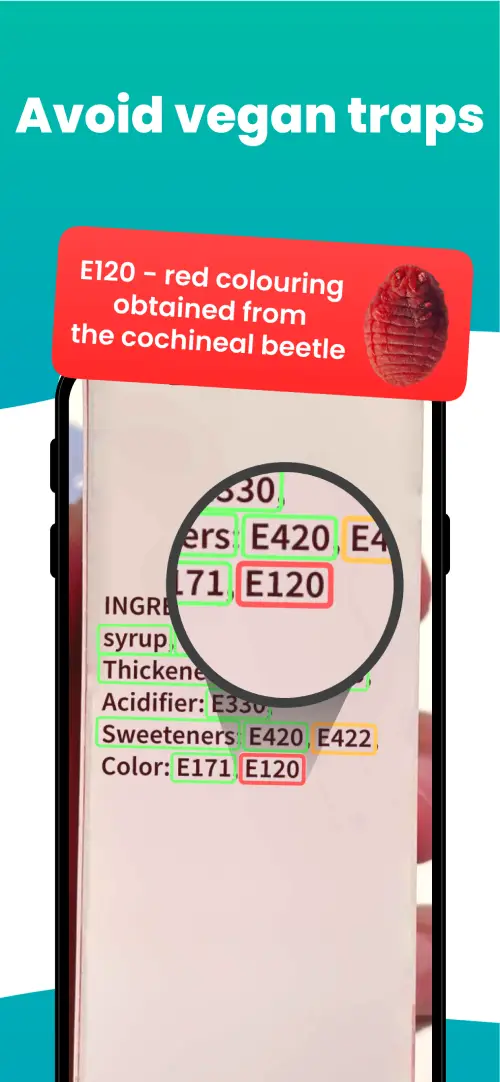
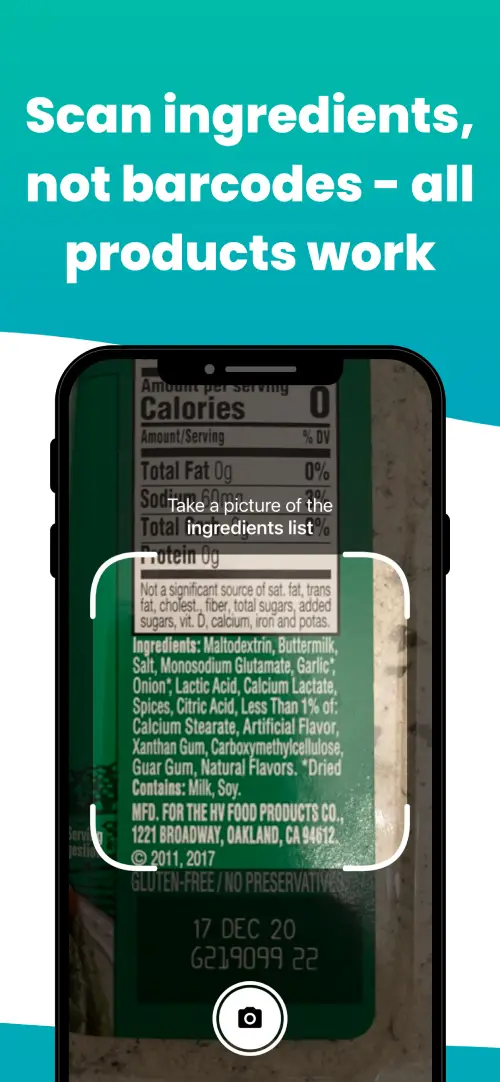
We've built a vegan ingredients scanner that classifies food ingredients as "vegan", "non-vegan", or "potentially vegan".
It allows you to avoid non-vegan ingredients - just take a picture of a product's ingredient list, and the app tells you if the product is vegan or not.



Check out other ingredients:
Is ice creams vanilla vegan?Is coffee cream liqueur vegan?Is egg bagel vegan?Is ice cream sandwich vegan?Are ice cream bars vegan?Is pie lemon cream vegan?Is ice cream cone vegan?Is egg salad sandwich vegan?Is fine ice cream vegan?Is ice cream fried vegan?Is vanilla cream pie vegan?Is egg mcmuffin vegan?
We'll never send you spam.