
Are red & green peppers vegan?
Red & green peppers is a vegan food ingredient.
Checking out an ingredients list? 👇
"You are amazing, this has saved me so much time when grocery shopping!"
— Austin, a user who reached out with feedback
"It's been a great tool since starting my journey! You take a pic of the nutrition/ingredients, and it'll warn you of anything questionable or not vegan. 😁"
— Ashe, a Vegan For Beginners Facebook Group member
"Use a vegan app when you go shopping, I use WhatsVegan."
— Dóra, a Vegan For Beginners Facebook Group member
So, what is red & green peppers?
Red and Green Peppers: Essential for the Ethical Vegan Kitchen
Red and green peppers, vibrant members of the Capsicum annuum species, are a cornerstone ingredient in kitchens worldwide, and their status within veganism is unequivocally clear. As a direct product of the plant kingdom, these versatile fruits represent a foundational component of any ethical, cruelty-free diet. Their origin, cultivation, and harvesting processes are entirely free from animal involvement, making them a pure and unadulterated choice for those committed to plant-based living.
From a vegan food science perspective, peppers are a textbook example of a clean, single-ingredient food. They emerge directly from the plant, requiring no animal-derived fertilizers, pesticides, or complex processing aids that sometimes cloud the vegan status of other ingredients. There are no "gray areas" to navigate with fresh peppers; unlike some processed sugars potentially filtered with bone char, or certain food colorings derived from insects, peppers are simply the fruit of the Capsicum plant. This inherent purity aligns perfectly with the core tenets of animal ethics, ensuring no sentient beings are harmed or exploited in their journey from seed to plate.
Their robust presence as a plant-based alternative is undeniable. Whether incorporated raw into salads for their crisp texture and bright flavor, or cooked to bring out their sweetness and soften their flesh in stir-fries, sauces, or roasted dishes, peppers offer immense culinary flexibility. Beyond their sensory appeal, red and green peppers are packed with essential nutrients. Red peppers, in particular, are an excellent source of Vitamin C and Vitamin A, alongside various antioxidants, while green peppers provide a good dose of Vitamin C and dietary fiber. Their nutritional profile further solidifies their role as a valuable contributor to a healthy vegan diet.
When considering processing aids and label transparency, fresh red and green peppers rarely present concerns. As whole, unprocessed produce, they typically bypass the intricate manufacturing steps where hidden animal ingredients might be introduced. Consumers can confidently identify them as vegan simply by their appearance and common knowledge of their plant origin. This straightforwardness simplifies grocery shopping for vegans, who often meticulously scrutinize ingredient lists for hidden animal derivatives. The explicit absence of animal products throughout their entire lifecycle makes them a transparent and trustworthy option.
In essence, red and green peppers stand as a testament to the abundance and integrity of plant-based foods. They are not merely "vegan-friendly"; they are inherently vegan, embodying the principles of animal ethics, purity, and wholesome nutrition. For any individual embracing a plant-based lifestyle, these colorful, flavorful fruits are an indispensable and guilt-free addition to their culinary repertoire.
How to quickly find the source of ingredients like red & green peppers?
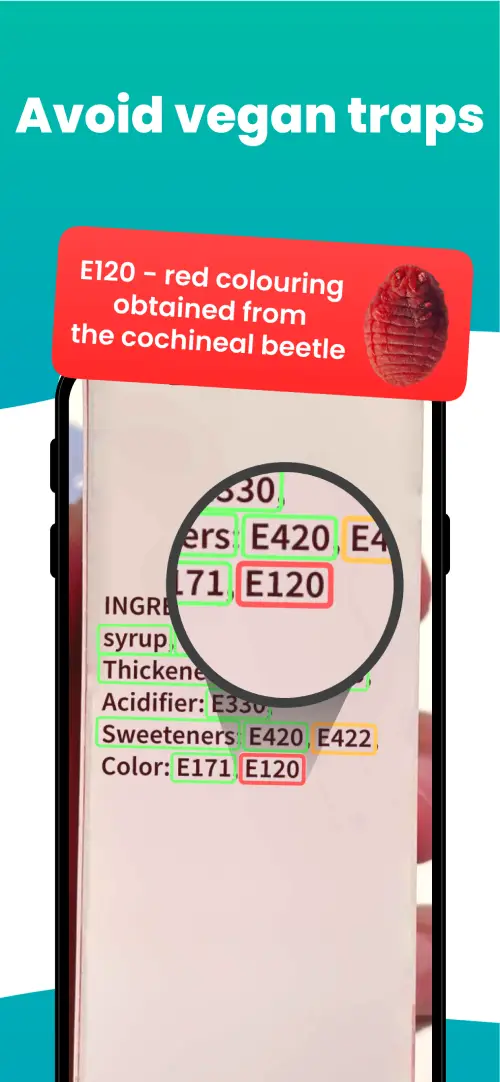
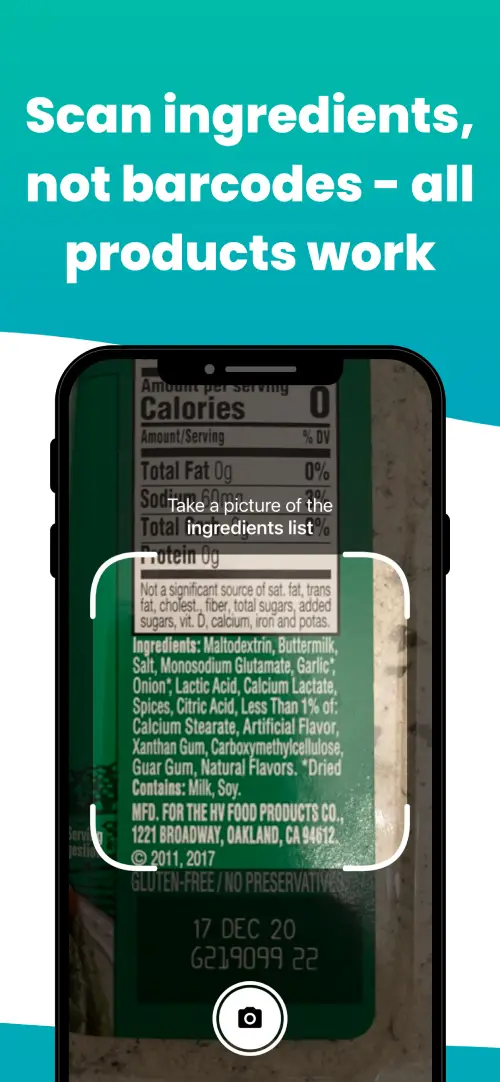
We've built a vegan ingredients scanner that classifies food ingredients as "vegan", "non-vegan", or "potentially vegan".
It allows you to avoid non-vegan ingredients - just take a picture of a product's ingredient list, and the app tells you if the product is vegan or not.



Check out other ingredients:
Is acerola cherry powder vegan?Is hydroxyapatite vegan?Are brown sesame seeds vegan?Is calcium microcrystalline hydroxyapatite vegan?Are whole flaxseeds vegan?Is salt and vinegar flavour vegan?Is butyl acetate vegan?Is nitrocellulose vegan?Is sumac wax vegan?Is maltodekstryna vegan?Is olio di riso vegan?Is kaliumsitraatti vegan?
We'll never send you spam.