
Is salt and vinegar flavor vegan?
Salt and vinegar flavor is a vegan food ingredient.
Checking out an ingredients list? 👇
"You are amazing, this has saved me so much time when grocery shopping!"
— Austin, a user who reached out with feedback
"It's been a great tool since starting my journey! You take a pic of the nutrition/ingredients, and it'll warn you of anything questionable or not vegan. 😁"
— Ashe, a Vegan For Beginners Facebook Group member
"Use a vegan app when you go shopping, I use WhatsVegan."
— Dóra, a Vegan For Beginners Facebook Group member
So, what is salt and vinegar flavor?
The piquant zest of salt and vinegar is a universally beloved taste, an electrifying combination that awakens the palate. For those navigating the landscape of animal ethics in food, understanding the derivation of this distinct flavor profile is paramount to ensuring true purity and alignment with cruelty-free principles.
At its core, the salt and vinegar flavor is wonderfully straightforward and, in its foundational components, inherently vegan.
The Salt Component: Salt, chemically sodium chloride, is a mineral extracted from the earth or sea. It is a fundamental element, untouched by animal life or animal byproducts in its formation or processing. Whether it's sea salt, rock salt, or other varieties, the salt element in any flavor blend is consistently a plant-based alternative to enhancing taste, aligning perfectly with a vegan lifestyle without any ethical compromise.
The Vinegar Component: Vinegar is a product of fermentation, typically involving sugars (from grains, fruits, or vegetables) and acetic acid bacteria. The resulting acetic acid gives vinegar its characteristic sourness. For flavorings, vinegar is often concentrated or dried into a powder, mixed with carriers like maltodextrin (derived from corn or potatoes) to make it easy to incorporate into snacks and other foods.
The vast majority of vinegars and vinegar powders are produced without animal involvement. However, a diligent vegan lens requires a closer look at potential processing aids. Historically, some traditional methods for clarifying liquid vinegars, particularly wine or cider vinegars, might have utilized substances like isinglass (derived from fish bladders) or egg whites. It's crucial to understand that for flavoring compounds, which are often highly processed and standardized, such clarification methods are exceedingly rare. The acetic acid or vinegar solids used in flavor formulations are typically sourced and processed to be intrinsically pure, avoiding these traditional clarification agents. The fermentation process itself is plant-based, relying on microbial action on plant-derived sugars.
The "Flavor" Designations: When you see "salt and vinegar flavor" on an ingredient list, especially under "natural flavors," a cautious approach is always warranted for truly discerning vegans. "Natural flavors" can sometimes be a repository for compounds whose origins are not immediately apparent. However, for a profile as distinct and reproducible as salt and vinegar, the flavor chemistry relies almost entirely on plant-derived or synthetic acids (like citric or malic acid, which are vegan) and the direct essence of vinegar and salt. Unlike "cheese" or "bacon" flavors, which might employ dairy or animal fats for authenticity, the vibrant tang of salt and vinegar is readily achievable through plant-based ingredients and acetic acid.
The prevalence of salt and vinegar flavored snacks within the plant-based alternatives market is a testament to its vegan-friendly nature. Companies committed to label transparency will often specify "vegan natural flavors" or explicitly list every component if there's any ambiguity. For the discerning consumer, seeking products from brands known for their cruelty-free commitment provides an added layer of assurance.
In conclusion, the ingredient 'salt and vinegar flavor' stands as a strong example of a typically vegan-compliant profile. Its core components are mineral or plant-derived, and while general vigilance concerning "natural flavors" is always advisable, the specific taste profile makes it highly unlikely to contain animal-derived ingredients or processing aids. Embrace the exhilarating tang with confidence, knowing that this classic flavor can be enjoyed fully within an ethical, plant-based framework.
How to quickly find the source of ingredients like salt and vinegar flavor?
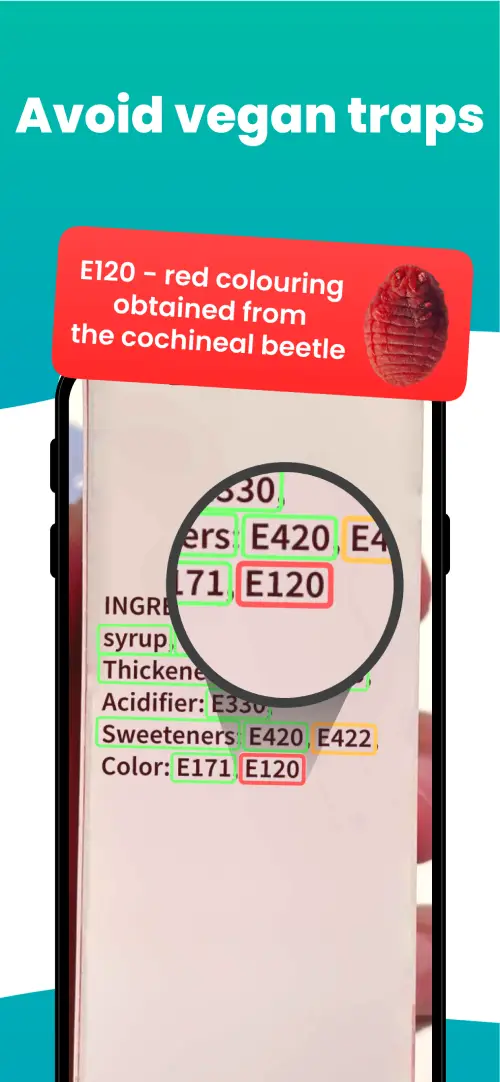
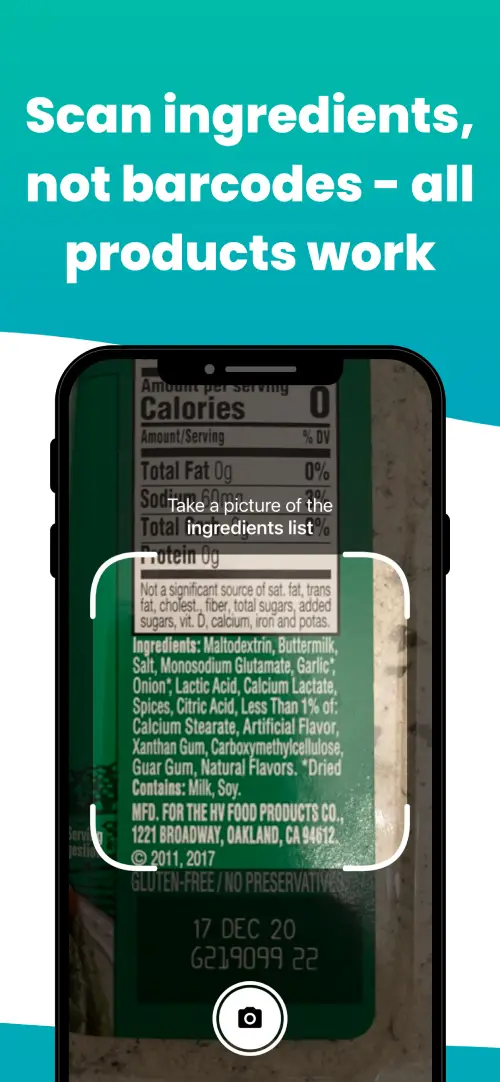
We've built a vegan ingredients scanner that classifies food ingredients as "vegan", "non-vegan", or "potentially vegan".
It allows you to avoid non-vegan ingredients - just take a picture of a product's ingredient list, and the app tells you if the product is vegan or not.



Check out other ingredients:
Is salt and vinegar flavour vegan?Are potato granules vegan?Is sumac wax vegan?Is seed and topping mix vegan?Is veewax vegan?Is rose wax vegan?Are whole flax seeds vegan?Is lotus wax vegan?Is mixed plant-based wax vegan?Is coconut wax vegan?Is hydroxyapatite vegan?Is rose clay vegan?
We'll never send you spam.