
Is tuberose vegan?
Tuberose is a vegan food ingredient.
Checking out an ingredients list? 👇
"You are amazing, this has saved me so much time when grocery shopping!"
— Austin, a user who reached out with feedback
"It's been a great tool since starting my journey! You take a pic of the nutrition/ingredients, and it'll warn you of anything questionable or not vegan. 😁"
— Ashe, a Vegan For Beginners Facebook Group member
"Use a vegan app when you go shopping, I use WhatsVegan."
— Dóra, a Vegan For Beginners Facebook Group member
So, what is tuberose?
Tuberose: Unveiling a Purely Botanical Essence
Tuberose, derived from the exquisite Polianthes tuberosa plant, holds a distinguished place in perfumery, high-end culinary arts, and even traditional medicine. This perennial flowering plant, native to Mexico, is celebrated for its intoxicatingly rich and complex fragrance, often described as sweet, heady, and creamy. For those committed to a vegan lifestyle, understanding the provenance and processing of every ingredient is paramount, and tuberose offers a clear and reassuring narrative.
Rooted in Purity: Tuberose's Inherent Vegan Pedigree
At its core, tuberose is unequivocally a vegan ingredient. Its essence is extracted directly from the white, waxy flowers of the Polianthes tuberosa plant. This botanical origin means that, in its raw, unadulterated form, tuberose involves no animal products, byproducts, or exploitation of sentient beings whatsoever. The entire lifecycle, from cultivation to harvest, is plant-based, aligning perfectly with the ethical principles that underpin veganism. There are no insects involved in its secretion, no animal tissues in its composition, and no dairy or honey in its fundamental being. It is, quite simply, a gift from the plant kingdom, embodying natural purity.
Navigating Extraction: Ensuring Vegan Integrity in Derivatives
While the plant itself is undeniably vegan, the journey from bloom to usable extract requires careful scrutiny, particularly when considering derived products like essential oils, concretes, and absolutes. The most common methods for extracting tuberose's volatile compounds are solvent extraction and enfleurage.
Solvent extraction, using food-grade hexane or ethanol, typically results in a "concrete," which is then further processed with alcohol to yield an "absolute." Both hexane and ethanol are synthetic or plant-derived, posing no inherent conflict with vegan ethics. However, the integrity lies in the entire supply chain. Concerns can arise if manufacturers use non-vegan processing aids for clarification, decolorization, or stabilization later in the production process. For instance, some lesser-known brands might employ animal-derived enzymes or gelatin for filtration, though this is uncommon for high-value floral extracts like tuberose.
Enfleurage, an ancient method, traditionally used animal fats (often lard, a pork product) to absorb the flower's fragrance. While this method is largely obsolete for commercial production today due to its labor intensity and cost, modern vegan enfleurage utilizes plant-based fats like coconut or shea butter. It is crucial for consumers to inquire about the specific enfleurage medium if encountering products boasting this traditional technique.
For absolute assurance, sourcing tuberose extracts from suppliers with transparent labeling and cruelty-free certifications is vital. Brands committed to animal ethics often disclose their solvent sources and confirm that no animal-derived processing aids are utilized at any stage.
From Bloom to Product: Consumer Assurance and Label Clarity
Vegans will primarily encounter tuberose in perfumes, aromatherapy blends, and luxury skincare formulations. Increasingly, its unique aromatic profile is also being explored in innovative plant-based culinary creations, providing a sophisticated floral note to desserts or beverages.
When purchasing a product containing tuberose, always review the full ingredient list. The presence of other non-vegan components (like beeswax in a balm or carmine in a colored cosmetic) would negate the overall vegan status, even if the tuberose itself is pure. Look for explicit "vegan" or "cruelty-free" labels from reputable third-party certification bodies, as these provide the highest level of assurance that the entire product, including all processing aids and components, meets stringent animal-free criteria.
In conclusion, tuberose stands as a beacon of natural, plant-based luxury. Its inherent botanical origin ensures its foundational vegan status. With a mindful approach to sourcing and a critical eye on processing methods, especially for complex extracts, consumers can confidently embrace the opulent aroma and nuanced flavor profile of this truly remarkable flower, knowing it aligns perfectly with a compassionate lifestyle.
How to quickly find the source of ingredients like tuberose?
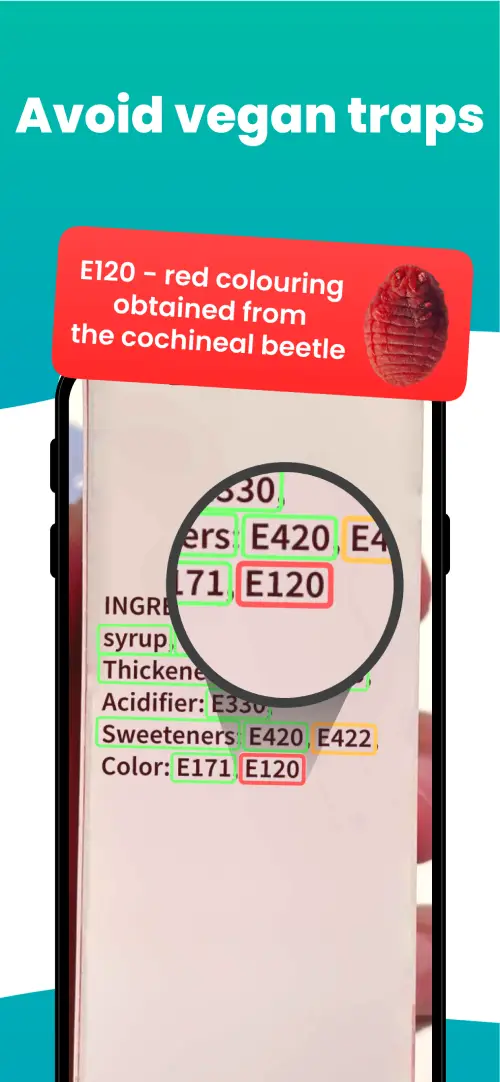
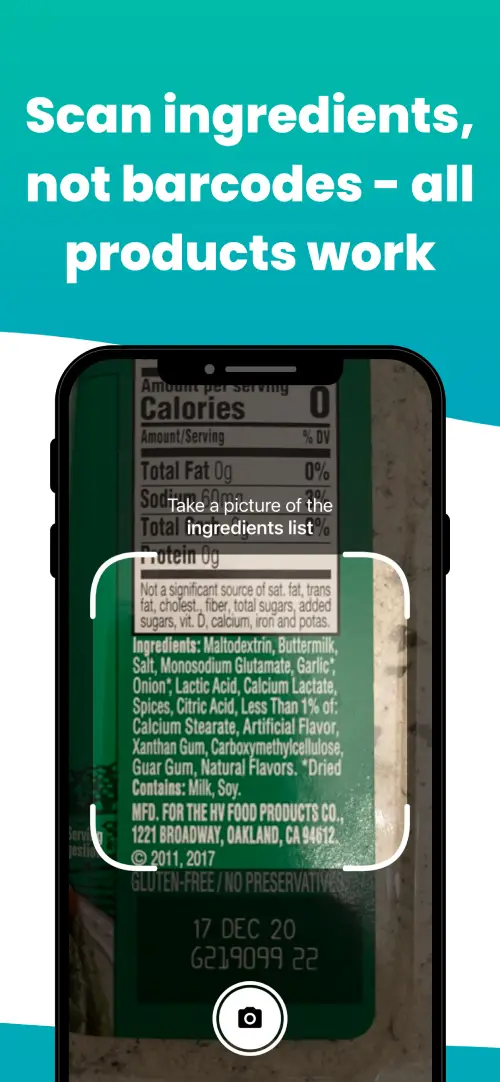
We've built a vegan ingredients scanner that classifies food ingredients as "vegan", "non-vegan", or "potentially vegan".
It allows you to avoid non-vegan ingredients - just take a picture of a product's ingredient list, and the app tells you if the product is vegan or not.



Check out other ingredients:
Is sodium c12-14 olefin sulfonate vegan?Is sodium c14-16 olefin sulfonate vegan?Are citrus grandis vegan?Is sodium c14-18 olefin sulfonate vegan?Is cocobutaine vegan?Are infusion of salvia officinalis vegan?Is sodium laureth sulphate vegan?Is salvia officinalis infusion vegan?Is sage vegan?Is manjishta vegan?Is tussilago farfara vegan?Is nymphaea lotus alba vegan?
We'll never send you spam.