
Is simmondsia chinensis (jojoba) seed oil vegan?
Simmondsia chinensis (jojoba) seed oil is a vegan food ingredient.
Checking out an ingredients list? 👇
"You are amazing, this has saved me so much time when grocery shopping!"
— Austin, a user who reached out with feedback
"It's been a great tool since starting my journey! You take a pic of the nutrition/ingredients, and it'll warn you of anything questionable or not vegan. 😁"
— Ashe, a Vegan For Beginners Facebook Group member
"Use a vegan app when you go shopping, I use WhatsVegan."
— Dóra, a Vegan For Beginners Facebook Group member
So, what is simmondsia chinensis (jojoba) seed oil?
Understanding Simmondsia chinensis (Jojoba) Seed Oil
Simmondsia chinensis (jojoba) seed oil, often simply referred to as jojoba oil, is a remarkable botanical extract prized across numerous industries, from cosmetics to niche food applications. Derived from the seeds of the jojoba shrub, native to arid regions of the Sonoran Desert, this ingredient stands out for its unique composition and unwavering alignment with a vegan lifestyle.
The Definitive Vegan Status
From the perspective of animal ethics and purity, jojoba seed oil is unequivocally vegan. Its origin is solely botanical, extracted directly from the seeds of the Simmondsia chinensis plant. The plant itself is a hardy, drought-resistant shrub, yielding seeds that contain a high percentage of this valuable lipid. There are no animal inputs at any stage of its natural growth or initial harvesting. This inherent plant-based nature means it requires no animal sacrifice, byproducts, or exploitation in its fundamental production. For those committed to animal welfare, jojoba oil provides a straightforward, ethical choice, serving as a prominent plant-based alternative to animal-derived ingredients like lanolin (wool wax) or beeswax in certain formulations.
Ensuring Purity Through Processing and Transparency
While the raw material is inherently vegan, a thorough ethical review extends to processing methods. Jojoba oil is typically extracted through mechanical cold-pressing of the seeds, a method that is entirely free of animal products. Solvent extraction is another possibility, though less common for high-grade jojoba oil destined for clean-label products. In such cases, verifying the absence of animal-derived processing aids or filtration agents is a crucial step for the discerning vegan consumer. Fortunately, due to its widespread use in the "cruelty-free" and vegan markets, reputable suppliers of jojoba oil consistently ensure that their production methods maintain the ingredient's integrity as a pure, plant-based extract. This commitment to "label transparency" is vital, empowering consumers to make informed choices, though for jojoba, the risk of non-vegan contamination post-harvest is exceedingly low.
A Unique Botanical Lipid
What makes jojoba oil particularly distinctive is its chemical structure. Unlike most vegetable oils, which are triglycerides, jojoba oil is technically a liquid wax ester. This molecular similarity to human skin sebum makes it exceptionally well-tolerated and functional, lending it remarkable stability against oxidation, an advantage in both food and cosmetic formulations. Its texture is a light, golden liquid with a subtle, earthy aroma, feeling non-greasy upon application. This stability and functional versatility further solidify its value within the vegan product landscape, offering a reliable and ethical ingredient solution without compromise.
In conclusion, Simmondsia chinensis (jojoba) seed oil represents a paradigm of vegan excellence. Its botanical origin, combined with generally clean processing, ensures its status as a pure, ethical, and highly effective ingredient that seamlessly integrates into a plant-based philosophy.
How to quickly find the source of ingredients like simmondsia chinensis (jojoba) seed oil?
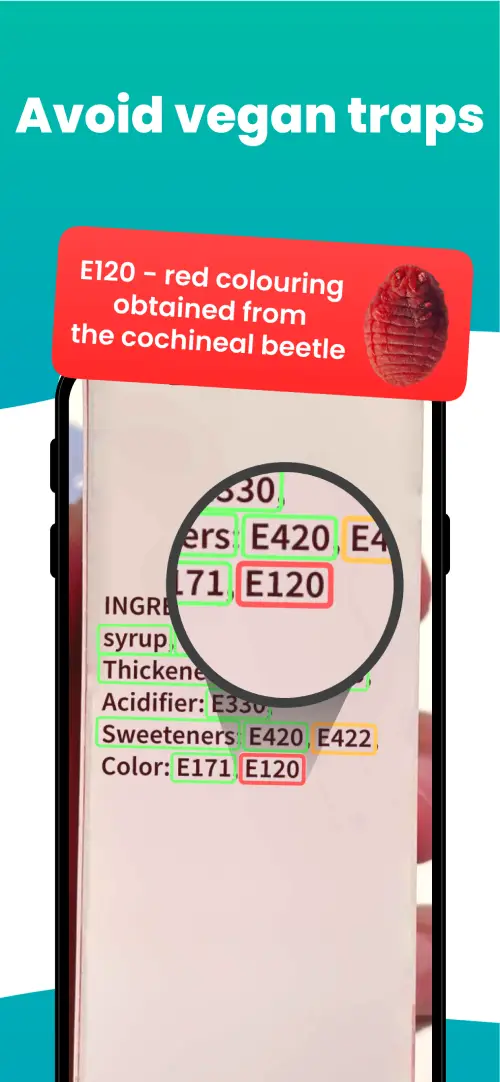
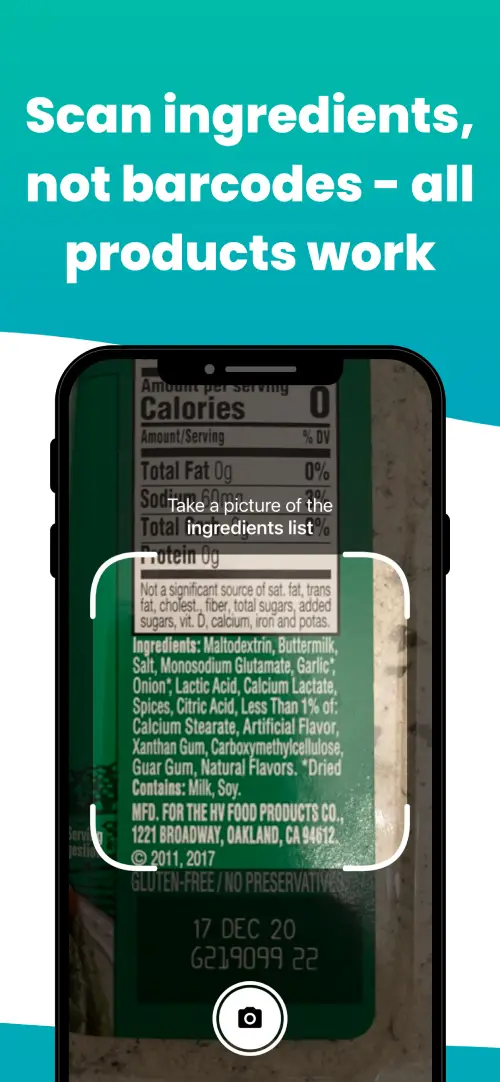
We've built a vegan ingredients scanner that classifies food ingredients as "vegan", "non-vegan", or "potentially vegan".
It allows you to avoid non-vegan ingredients - just take a picture of a product's ingredient list, and the app tells you if the product is vegan or not.



Check out other ingredients:
Is euphorbia cerifera (candelilla) wax vegan?Is cocos nucifera (coconut) oil vegan?Are hydroxystearic/linolenic/linoleic polyglycerides vegan?Is bacillus coagulans mtcc 5856 vegan?Is lactospore vegan?Is butyrospermum parkii vegan?Is citrus sinensis peel oil vegan?Is citrus sinensis (orange) peel oil vegan?Is flax creamer vegan?Is mentha piperita vegan?Is soy creamer vegan?Is muun muassa juusto vegan?
We'll never send you spam.