
Is ricinus communis seed oil vegan?
Ricinus communis seed oil is a vegan food ingredient.
Checking out an ingredients list? 👇
"You are amazing, this has saved me so much time when grocery shopping!"
— Austin, a user who reached out with feedback
"It's been a great tool since starting my journey! You take a pic of the nutrition/ingredients, and it'll warn you of anything questionable or not vegan. 😁"
— Ashe, a Vegan For Beginners Facebook Group member
"Use a vegan app when you go shopping, I use WhatsVegan."
— Dóra, a Vegan For Beginners Facebook Group member
So, what is ricinus communis seed oil?
Ricinus Communis Seed Oil: A Foundational Plant-Derived Ingredient
In the meticulous world of ethical sourcing and plant-based living, understanding the origin and processing of every ingredient is paramount. Among the diverse array of natural oils, Ricinus communis seed oil stands as a stalwart, offering a clear and unequivocal commitment to vegan principles. This oil, more commonly recognized as castor oil, is a viscous, pale yellow liquid extracted directly from the seeds of the Ricinus communis plant, native to tropical regions of Africa and Asia.
Its Purely Plant-Based Pedigree
The journey of Ricinus communis seed oil from plant to product is entirely rooted in the botanical kingdom. The seeds, enclosed within a spiny fruit, are harvested, cleaned, and then typically subjected to either cold-pressing or solvent extraction to yield the oil. This process fundamentally involves no animal inputs, animal byproducts, or animal exploitation at any stage. From an animal ethics standpoint, its derivation is impeccable: it is a direct gift from the earth, cultivated and processed without recourse to animal agriculture or related industries. This inherent origin makes it a prime example of a naturally cruelty-free ingredient, aligning perfectly with the values of compassion and non-harm that define the vegan lifestyle.
A Versatile Ally in Vegan Formulations
Castor oil is not merely vegan by default; it is a highly valued component within countless plant-based alternatives and formulations across various industries. Its unique chemical composition, particularly its high concentration of ricinoleic acid, imparts distinct properties. This makes it a preferred choice for thickening, moisturizing, and creating stable emulsions in a wide range of products, from personal care items like lip balms and lotions to pharmaceuticals and even certain specialized food-grade applications where its specific functional attributes (like a release agent or a protective coating in very small quantities) are desired. In these contexts, its performance is often superior to, or at least on par with, animal-derived alternatives, reinforcing its status as a robust and effective plant-based solution.
Ensuring Purity and Transparency
For discerning vegan consumers, the scrutiny often extends beyond the primary ingredient source to encompass processing aids and potential cross-contamination. With Ricinus communis seed oil, the primary extraction methods are straightforward. Cold-pressing involves mechanical force, while solvent extraction typically utilizes solvents like hexane, which are petroleum-derived and not animal-based. Subsequent refining steps, if undertaken, primarily involve physical or chemical purification processes designed to enhance the oil's stability and purity, again without introducing animal-derived components.
Nonetheless, the broader principle of label transparency remains vital. While Ricinus communis seed oil itself is unequivocally vegan, conscious consumers rightly seek assurance that the entire supply chain and manufacturing facility adhere to stringent vegan standards, minimizing any risk of inadvertent animal product contact for the finished product. This diligence, however, serves to safeguard the integrity of the end product rather than to question the fundamental vegan nature of the oil itself.
In conclusion, Ricinus communis seed oil represents a gold standard for vegan ingredients. Its pure botanical origin, free from any animal involvement, exploitation, or byproducts, positions it as a cornerstone for ethical sourcing. As a highly functional and versatile oil, it consistently demonstrates that superior product performance and unwavering animal ethics can, and should, go hand-in-hand.
How to quickly find the source of ingredients like ricinus communis seed oil?
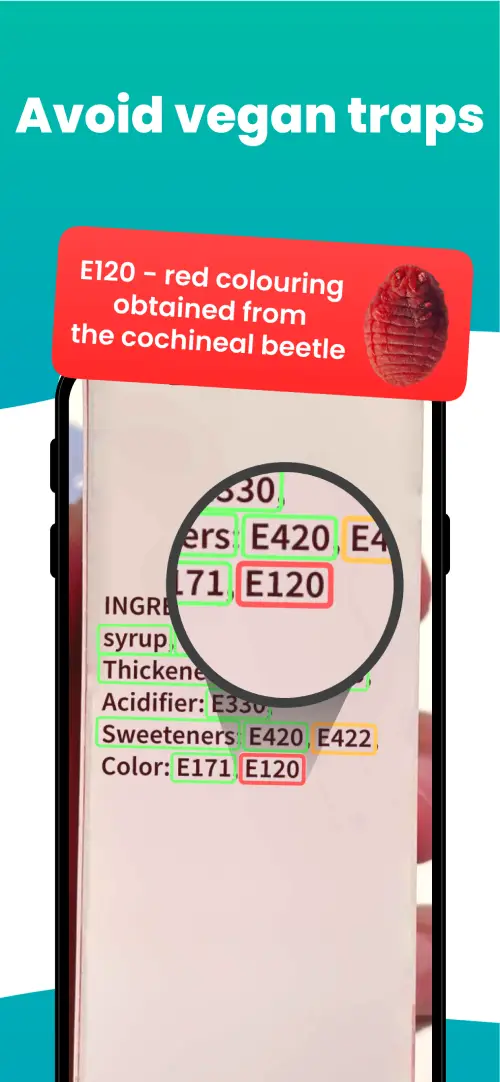
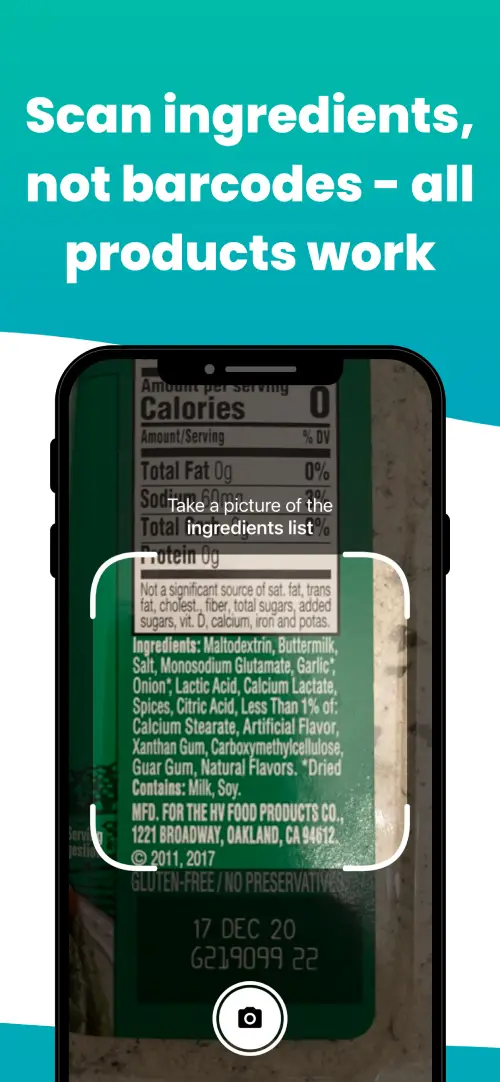
We've built a vegan ingredients scanner that classifies food ingredients as "vegan", "non-vegan", or "potentially vegan".
It allows you to avoid non-vegan ingredients - just take a picture of a product's ingredient list, and the app tells you if the product is vegan or not.



Check out other ingredients:
Is butylphenyl methylpropional vegan?Is d-limonene benxoic acid vegan?Is polyquaternium-7 vegan?Is propylene glycol vegan?Is melilotus officinalis flower extract vegan?Is medicago sativa leaf extract vegan?Is lauryl glucoside vegan?Is rosmarinus offinalis leaf extract vegan?Is humulus lupulus flower extract vegan?Is arginine aspartic acid vegan?Is pca vegan?Are plant phospholipids vegan?
We'll never send you spam.