
Is simmondsia chinensis seed oil vegan?
Simmondsia chinensis seed oil is a vegan food ingredient.
Checking out an ingredients list? 👇
"You are amazing, this has saved me so much time when grocery shopping!"
— Austin, a user who reached out with feedback
"It's been a great tool since starting my journey! You take a pic of the nutrition/ingredients, and it'll warn you of anything questionable or not vegan. 😁"
— Ashe, a Vegan For Beginners Facebook Group member
"Use a vegan app when you go shopping, I use WhatsVegan."
— Dóra, a Vegan For Beginners Facebook Group member
So, what is simmondsia chinensis seed oil?
Understanding Simmondsia Chinensis Seed Oil
Simmondsia chinensis seed oil, more commonly known as jojoba oil, is a remarkable ingredient derived from the seeds of the jojoba shrub. Native to the Sonoran Desert across Arizona, California, and Mexico, this robust plant produces seeds rich in a unique liquid. From an ethical standpoint, its origin immediately positions it as an unwavering vegan ingredient. The oil is extracted directly from these seeds through methods typically involving cold-pressing, ensuring its purity and integrity without any animal involvement from cultivation to harvest.
An Uncompromised Plant-Based Origin
The "why" behind jojoba oil's definitive vegan status lies entirely within its botanical lineage. This is a plant-based lipid through and through, wholly free from any animal-derived components, byproducts, or exploitation. Unlike some ingredients that might involve animal inputs in their production chain – such as certain processing aids or animal-sourced fertilizers – jojoba cultivation and oil extraction are fundamentally plant-centric. This inherent purity makes it a cornerstone for those committed to a lifestyle free from animal cruelty, aligning perfectly with a cruelty-free ethos. It is not an alternative to an animal product, but rather a naturally occurring plant-based ingredient that stands on its own merit, providing unparalleled functionality without ethical compromise.
The Unique Chemistry and Functional Efficacy
From a food scientist's perspective, jojoba oil is particularly fascinating due to its distinct chemical structure. Unlike most vegetable oils, which are triglycerides, Simmondsia chinensis seed oil is a liquid wax ester. This molecular configuration closely mimics the sebum naturally produced by human skin, contributing to its exceptional compatibility and stability. Its high oxidative stability means it resists rancidity better than many other plant-derived lipids, offering a longer shelf-life and consistent performance in various applications. While its primary applications are in cosmetics and personal care, where it functions as an excellent emollient and moisturizer, its plant-derived lipid nature and stability also make it a valuable carrier oil or functional ingredient in specific, often niche, food-grade applications, particularly where non-caloric lipids or stable carriers are desired. This unique composition underscores its efficacy as a natural, pure, and effective plant-based compound.
Upholding Purity: Sourcing and Transparency
While the ingredient itself is inherently vegan, vigilance in sourcing remains paramount for the conscientious consumer. Ensuring that Simmondsia chinensis seed oil truly adheres to vegan principles extends to examining the entire supply chain. Reputable suppliers will guarantee that no animal-derived processing aids or materials are used during extraction, refinement (if any), or packaging. Though direct cross-contamination with animal products is less common for a simple oil compared to complex food formulations, ensuring dedicated vegan facilities or rigorous cleaning protocols is always a best practice.
Label transparency is crucial here; look for products explicitly stating "100% Simmondsia Chinensis Seed Oil" or "Pure Jojoba Oil" to ensure no non-vegan additives or blends compromise its integrity. Brands committed to ethical practices will often provide certifications that confirm their products are both vegan and cruelty-free. This commitment to meticulous sourcing ensures that the integrity of this exceptional plant-derived lipid remains uncompromised, allowing it to continue serving as a prime example of an ethically sound and functionally superior ingredient.
How to quickly find the source of ingredients like simmondsia chinensis seed oil?
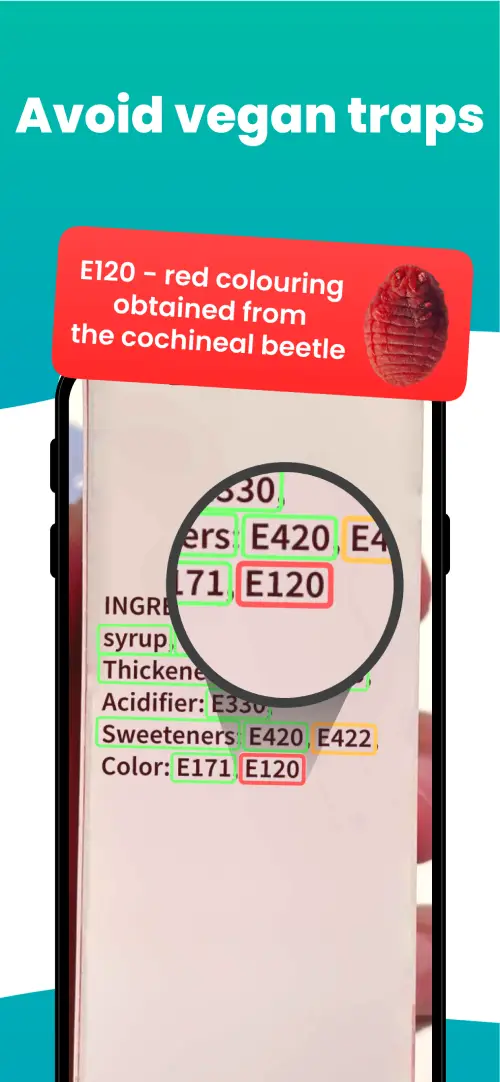
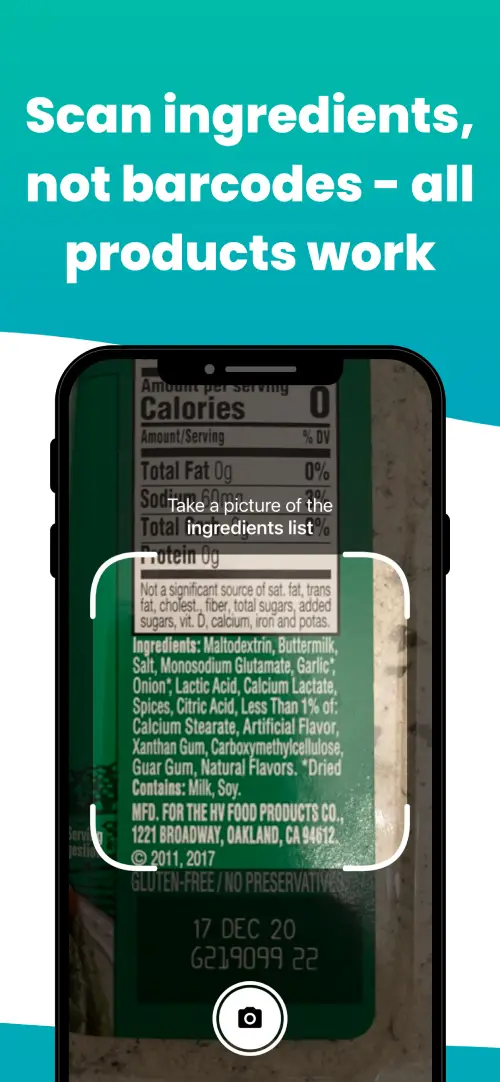
We've built a vegan ingredients scanner that classifies food ingredients as "vegan", "non-vegan", or "potentially vegan".
It allows you to avoid non-vegan ingredients - just take a picture of a product's ingredient list, and the app tells you if the product is vegan or not.



Check out other ingredients:
Is tocopherol oil vegan?Is vitis vinifera seed oil vegan?Is aloe barbadensis leaf extract (aloe vera) vegan?Is hexanal vegan?Is peg-40 vegan?Is punica granatum seed oil vegan?Is helianthius annuus seed vegan?Is polyvinyl butryal vegan?Is glyceryl linoleate vegan?Is propylene carbonate vegan?Is citrus limon fruit vegan?Is glyceryl linolenate vegan?
We'll never send you spam.