
Is rice pasta vegan?
Rice pasta is a vegan food ingredient.
Checking out an ingredients list? 👇
"You are amazing, this has saved me so much time when grocery shopping!"
— Austin, a user who reached out with feedback
"It's been a great tool since starting my journey! You take a pic of the nutrition/ingredients, and it'll warn you of anything questionable or not vegan. 😁"
— Ashe, a Vegan For Beginners Facebook Group member
"Use a vegan app when you go shopping, I use WhatsVegan."
— Dóra, a Vegan For Beginners Facebook Group member
So, what is rice pasta?
For those dedicated to upholding animal ethics and sourcing purely plant-based foods, rice pasta represents an unequivocally vegan ingredient. Its inherent composition and the straightforward nature of its manufacturing processes firmly establish it as a cruelty-free option, earning it a respected place within any vegan kitchen.
The fundamental components of rice pasta are elegantly simple: rice flour and water. Whether derived from white rice or the more nutritionally dense brown rice, the grain itself originates entirely from plants. No animal inputs are required for its cultivation or its initial milling into flour. This purity extends directly through its transformation into pasta. The typical process involves combining rice flour with water to form a pliable dough, extruding it through various dies to create familiar shapes like spaghetti, penne, or fusilli, and then carefully drying the formed pieces. This methodology inherently avoids the use of any animal-derived processing aids, emulsifiers, or stabilizers. Unlike some more complex food items where hidden animal components might be present in seemingly innocuous ingredients—such as certain fats, flavorings, or even colorings—rice pasta’s transparent formulation offers complete assurance regarding its ethical sourcing.
As a widely recognized plant-based alternative, rice pasta initially gained significant traction as a gluten-free solution. However, its natural alignment with vegan principles makes it a particularly valuable choice for a diverse array of dietary needs. For individuals avoiding wheat due to allergies, sensitivities, or personal preference, it provides a familiar and versatile foundation for countless meals without compromising on ethical integrity. It serves as a direct, wholesome replacement for traditional wheat pasta, ensuring that staple dishes can be enjoyed free from any animal exploitation.
From a culinary standpoint, rice pasta offers a distinct textural experience compared to its wheat-based counterparts. When cooked accurately, it achieves a pleasant al dente chew, though it can become softer and more delicate if overcooked. Its neutral flavor profile is a significant asset, allowing it to subtly absorb and complement the richness of sauces, the vibrancy of fresh herbs, and the depth of various vegetables. This adaptability makes it ideal for a wide range of applications, from hearty marinara dishes and light pestos to robust stir-fries and refreshing chilled pasta salads.
While the core ingredients and processing unequivocally confirm plain rice pasta's vegan status, it remains a sound practice for consumers to prioritize label transparency, particularly with any specialized or flavored varieties. However, for unadulterated rice pasta, the potential for hidden animal-derived components is virtually non-existent. There are no "gray area" concerns such as cross-contamination with animal products during its production, nor does it involve issues like bone char processing (a concern with certain refined sugars) or insect-derived dyes. Its status is clear and unwavering: a pure, plant-based, and ethically sound food choice that provides both reliable sustenance and peace of mind to the vegan consumer.
How to quickly find the source of ingredients like rice pasta?
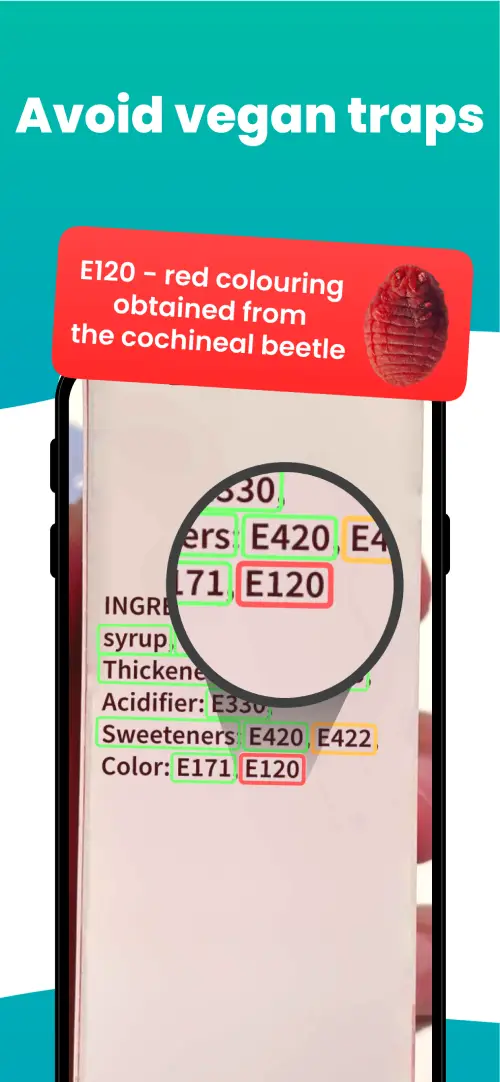
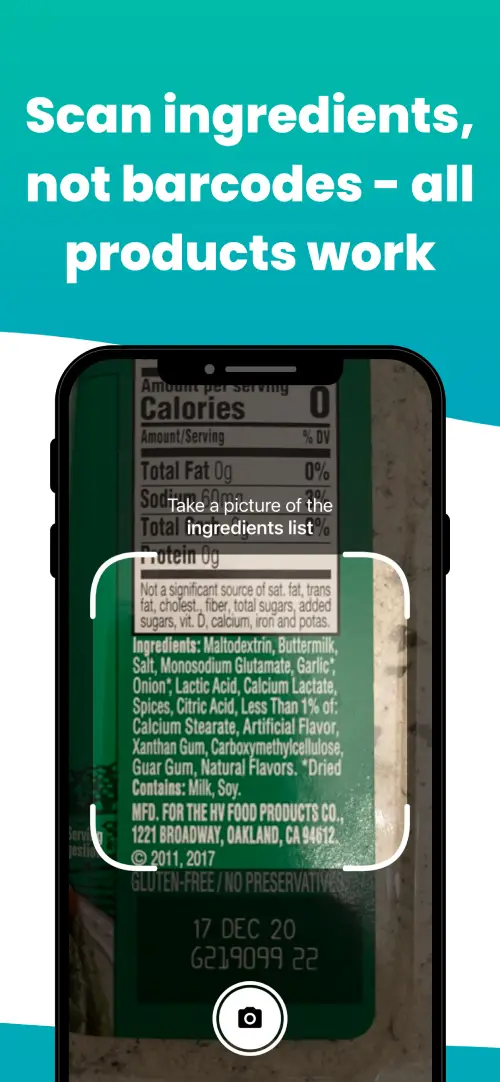
We've built a vegan ingredients scanner that classifies food ingredients as "vegan", "non-vegan", or "potentially vegan".
It allows you to avoid non-vegan ingredients - just take a picture of a product's ingredient list, and the app tells you if the product is vegan or not.



Check out other ingredients:
Is extra fancy durum wheat flour vegan?Is toasted sesame oil vegan?Is helianthus annuus (sunflower) seed oil vegan?Are iron oxides vegan?Is creatyl-l-leucine vegan?Is titanium dioxide vegan?Are black pitted olives vegan?Is theobroma cacao (cocoa) seed butter vegan?Is sorbitol/sebacic acid copolymer behenate vegan?Is enriched unbleached unbromated wheat flour vegan?Is rhus succedanea fruit cera (wax) vegan?Are yellow peas vegan?
We'll never send you spam.