Is vegetable carbon vegan?
Vegetable carbon is a vegan food ingredient.
Checking out an ingredients list? 👇
Vegan Ingredient Checker
Scan labels, check if ingredients are vegan
"You are amazing, this has saved me so much time when grocery shopping!"
— Austin, a user who reached out with feedback
"It's been a great tool since starting my journey! You take a pic of the nutrition/ingredients, and it'll warn you of anything questionable or not vegan. 😁"
— Ashe, a Vegan For Beginners Facebook Group member
"Use a vegan app when you go shopping, I use WhatsVegan."
— Dóra, a Vegan For Beginners Facebook Group member


Learn more
"You are amazing, this has saved me so much time when grocery shopping!"
— Austin, a user who reached out with feedback
"It's been a great tool since starting my journey! You take a pic of the nutrition/ingredients, and it'll warn you of anything questionable or not vegan. 😁"
— Ashe, a Vegan For Beginners Facebook Group member
"Use a vegan app when you go shopping, I use WhatsVegan."
— Dóra, a Vegan For Beginners Facebook Group member
So, what is vegetable carbon?
Vegetable carbon, also known as activated charcoal, is a fine black powder made from various vegetable sources, such as coconut shells, bamboo, and olive pits. The carbonization process involves heating these materials in the absence of air to create a highly porous substance with a large surface area. This unique property makes vegetable carbon useful in a variety of applications, including as a natural food coloring and as a supplement for digestive health. It is also known for its ability to absorb toxins and impurities, making it a popular ingredient in skincare and beauty products. Despite its dark appearance, vegetable carbon is tasteless and odorless, making it a versatile addition to a range of recipes.
How to quickly find the source of ingredients like vegetable carbon?
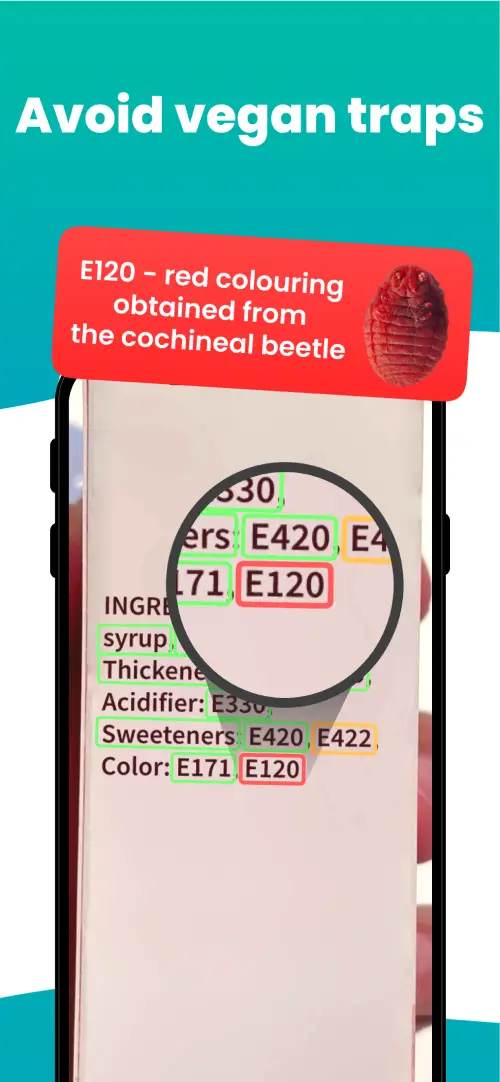
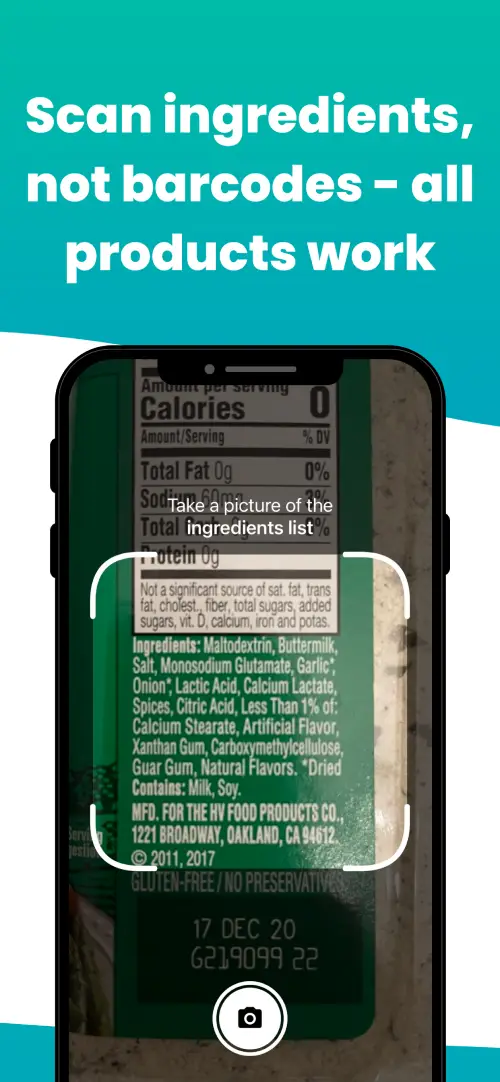
We've built a vegan ingredients scanner that classifies food ingredients as "vegan", "non-vegan", or "potentially vegan".
It allows you to avoid non-vegan ingredients - just take a picture of a product's ingredient list, and the app tells you if the product is vegan or not.

We'll never send you spam.