
Is veggie wax vegan?
Veggie wax is a vegan food ingredient.
Checking out an ingredients list? 👇
"You are amazing, this has saved me so much time when grocery shopping!"
— Austin, a user who reached out with feedback
"It's been a great tool since starting my journey! You take a pic of the nutrition/ingredients, and it'll warn you of anything questionable or not vegan. 😁"
— Ashe, a Vegan For Beginners Facebook Group member
"Use a vegan app when you go shopping, I use WhatsVegan."
— Dóra, a Vegan For Beginners Facebook Group member
So, what is veggie wax?
Understanding Plant-Derived Waxes in Ethical Consumption
The modern food landscape increasingly prioritizes ingredients that align with deeply held ethical values. Among these, plant-derived waxes, often collectively referred to as "veggie wax," stand out as essential components for formulators and consumers committed to animal welfare. This category represents a crucial cornerstone of truly plant-based and cruelty-free product development.
The Ethical Imperative
At its core, the choice for veggie wax is driven by a commitment to animal ethics. Traditional waxes like beeswax, secreted by honeybees, or shellac, derived from the lac insect, involve the exploitation of living creatures and their byproducts. For those striving for a lifestyle free from animal-derived ingredients, these options are non-starters. Veggie wax, by its very definition, completely circumvents this ethical dilemma, offering a pure, plant-based alternative that aligns seamlessly with a vegan philosophy. It is not merely an alternative; it is the ethically sound primary choice for thickening, stabilizing, and imparting desirable textures without compromise.
What Constitutes Veggie Wax?
Veggie wax is an umbrella term encompassing a variety of waxes extracted directly from plants. These natural compounds serve various protective functions for the plants themselves, such as preventing water loss or defending against pests. When harvested and processed, they offer unique functional properties vital in food science.
Common examples include:
Candelilla Wax: Sourced from the candelilla shrub native to Mexico and the southwestern U.S., this wax provides excellent gloss and hardness, making it ideal for confectionery coatings, gums, and vegan lip balms. Its texture is firm yet pliable. Carnauba Wax: Derived from the leaves of the Brazilian palm tree, carnauba is known for its exceptional hardness and high melting point, imparting a glossy finish and structural integrity to products like fruit coatings, chocolates, and vegan candies. Rice Bran Wax: Extracted from the bran oil of rice, this wax is prized for its emulsifying properties and ability to provide a smooth, creamy texture. It's often found in vegan cheeses, spreads, and cosmetics. Sunflower Wax: Obtained from sunflower oil, it's an excellent texturizer and thickening agent, commonly used in sauces, baked goods, and vegan butter alternatives to enhance consistency. Soy Wax:* While more commonly known for candles, food-grade soy wax (derived from soybean oil) can be used in certain food applications as an emulsifier or binder.
Each of these plant-derived waxes brings its own unique set of properties, allowing food scientists to tailor product formulations to specific textural and stability requirements, all while maintaining a strict vegan profile.
Functional Benefits and Purity
Beyond the ethical considerations, veggie waxes are valued for their functional efficacy. They act as natural emulsifiers, helping to bind oil and water phases in formulations; as thickening agents, contributing body and viscosity; and as stabilizers, extending shelf life and preventing ingredient separation. They can also provide a protective barrier, enhance mouthfeel, and deliver a pleasing sheen to food items.
The transparent sourcing of these plant-based ingredients means less ambiguity for the consumer. When a product declares "veggie wax" or specific plant waxes on its label, it offers clear assurance of its vegan status. This commitment to label transparency is vital for consumers who scrutinize ingredient lists not just for allergens, but for ethical alignment. As processing aids, these waxes ensure that the final product adheres to cruelty-free principles from start to finish.
In essence, veggie wax is more than just an ingredient; it embodies a conscious choice for purity, functionality, and ethical integrity in the ever-evolving world of plant-based consumption.
How to quickly find the source of ingredients like veggie wax?
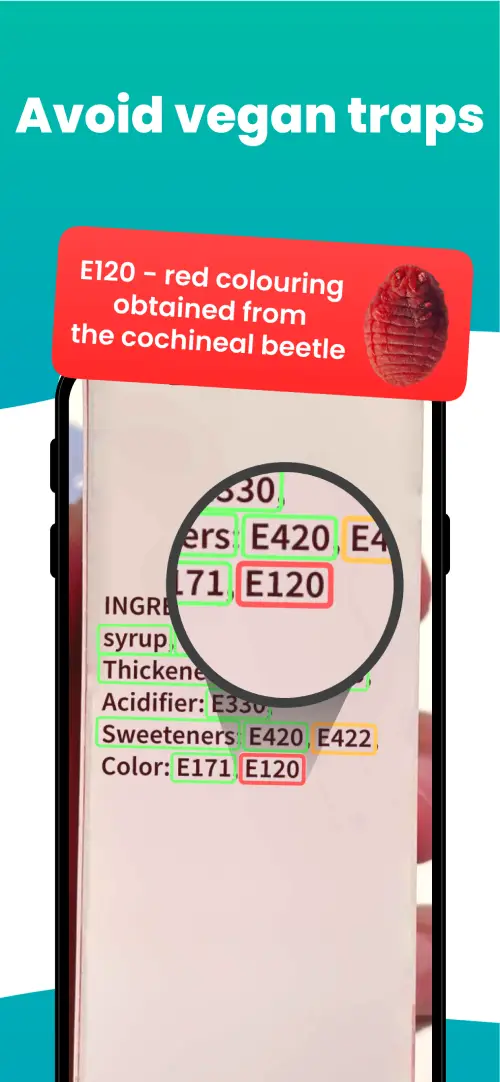
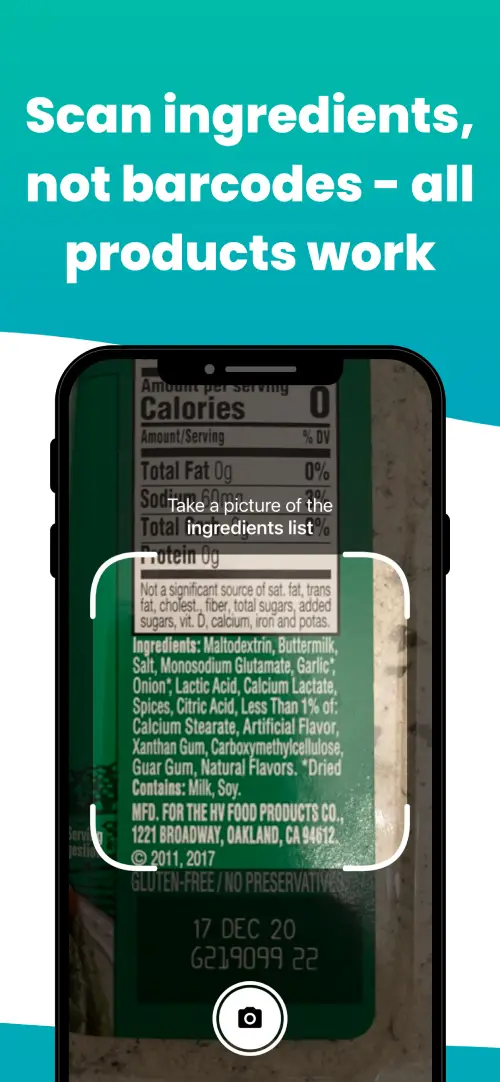
We've built a vegan ingredients scanner that classifies food ingredients as "vegan", "non-vegan", or "potentially vegan".
It allows you to avoid non-vegan ingredients - just take a picture of a product's ingredient list, and the app tells you if the product is vegan or not.



Check out other ingredients:
Is veg wax vegan?Is carnauba palm vegan?Is euphorbia cerifera cera vegan?Is palm wax vegan?Is rhus verniciflua peel cera vegan?Is helianthus annuus seed cera vegan?Is jojoba wax vegan?Is seed wax vegan?Is nonfat dried coconut milk vegan?Is lavender extract vegan?Is rose infused organic jojoba oil vegan?Are alphahydroxyacids vegan?
We'll never send you spam.