
Is palm wax vegan?
Palm wax is a vegan food ingredient.
Checking out an ingredients list? 👇
"You are amazing, this has saved me so much time when grocery shopping!"
— Austin, a user who reached out with feedback
"It's been a great tool since starting my journey! You take a pic of the nutrition/ingredients, and it'll warn you of anything questionable or not vegan. 😁"
— Ashe, a Vegan For Beginners Facebook Group member
"Use a vegan app when you go shopping, I use WhatsVegan."
— Dóra, a Vegan For Beginners Facebook Group member
So, what is palm wax?
Palm Wax: A Comprehensive Overview
Palm wax, derived from the fruit of the oil palm tree (Elaeis guineensis), holds a significant place among plant-based alternatives in various industries. From a vegan standpoint, understanding its origin and processing is crucial for conscious consumers navigating ingredient lists.
At its core, palm wax is unequivocally vegan. It is a natural ester of fatty acids and glycerine, extracted directly from a botanical source – the palm fruit. This inherent plant-based origin means that, unlike beeswax which is secreted by insects, or lanolin derived from sheep’s wool, palm wax involves no direct animal exploitation or animal byproducts in its fundamental composition. For those committed to animal ethics and purity, this makes palm wax a highly desirable ingredient, serving as a reliable cruelty-free option across its many applications. It stands as a prominent alternative to traditional animal waxes and even petroleum-based waxes, aligning perfectly with a vegan lifestyle.
The production of palm wax typically involves physical and mechanical processes to extract the oil from the fruit, followed by fractionation to separate the solid wax components. These processing aids are generally inert and do not introduce animal-derived substances, further solidifying its vegan status. It can be found in a spectrum of products, from candles and cosmetics to food applications where it functions as a glazing agent or textural modifier in confectionery and coatings for fresh produce. Its hard, brittle texture and high melt point make it a versatile ingredient, offering functionality often sought from non-vegan waxes.
However, a discussion about palm wax, particularly for the ethically minded vegan, would be incomplete without addressing the broader implications of palm cultivation. While the ingredient itself is plant-derived and pure, the industry surrounding palm oil production has faced substantial scrutiny regarding deforestation, habitat destruction, and the resultant impact on biodiversity, including endangered species like orangutans and tigers. This creates a vital distinction: an ingredient can be botanically vegan but still carry a heavy ethical footprint if not sourced responsibly.
Therefore, for consumers who prioritize a holistic approach to animal welfare and environmental stewardship, the emphasis shifts beyond merely checking for plant origin to demanding label transparency regarding sourcing. Seeking palm wax certified by organizations like the Roundtable on Sustainable Palm Oil (RSPO) ensures that the product originates from plantations committed to minimizing environmental harm and adhering to social responsibility standards. While RSPO certification is not without its critics, it represents a concerted effort to improve practices within the industry, offering a more ethically sound choice for those wishing to use palm-derived ingredients without contributing to widespread ecological damage.
In conclusion, palm wax is a legitimate and valuable vegan ingredient, providing a potent plant-based alternative in numerous formulations. Its botanical purity makes it inherently cruelty-free. Yet, the conscientious vegan consumer should extend their ethical inquiry to demand sustainably sourced options, recognizing that true animal ethics encompass not just direct exploitation but also the broader environmental impact on all living creatures.
How to quickly find the source of ingredients like palm wax?
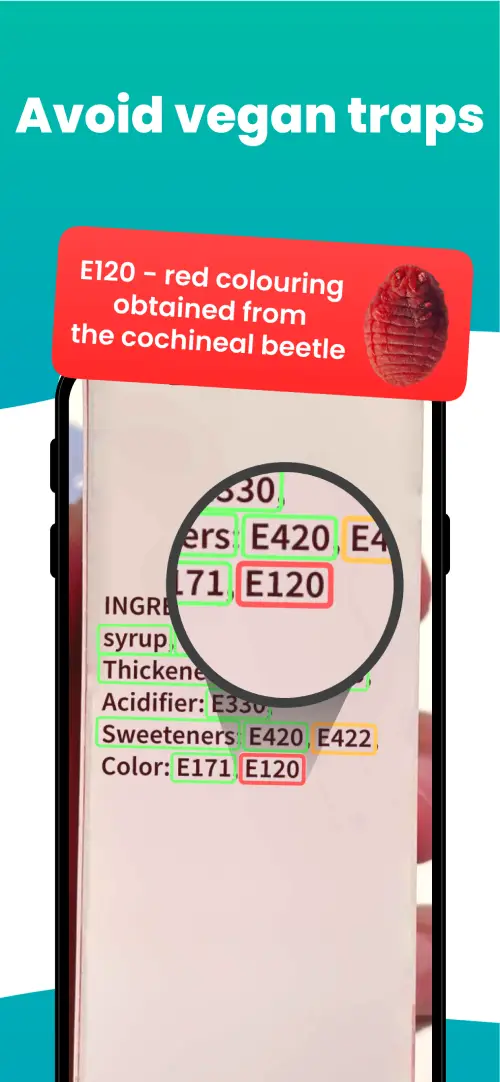
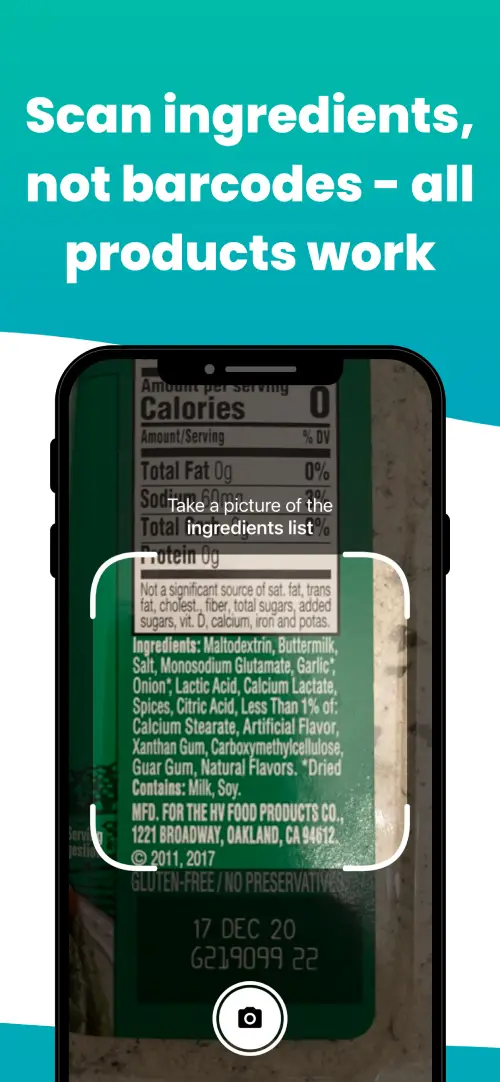
We've built a vegan ingredients scanner that classifies food ingredients as "vegan", "non-vegan", or "potentially vegan".
It allows you to avoid non-vegan ingredients - just take a picture of a product's ingredient list, and the app tells you if the product is vegan or not.



Check out other ingredients:
Is veggie wax vegan?Is rice-bran wax vegan?Is vegan wax vegan?Is copernicia cerifera cera vegan?Is seed wax vegan?Is euphorbia cerifera cera vegan?Is rhus verniciflua peel cera vegan?Is cupuacu butter vegan?Is theobroma grandiflorum seed butter vegan?Is flax seed meal vegan?Are pois chiches rehydratés vegan?Is chinolingelb vegan?
We'll never send you spam.