
Is carnauba palm vegan?
Carnauba palm is a vegan food ingredient.
Checking out an ingredients list? 👇
"You are amazing, this has saved me so much time when grocery shopping!"
— Austin, a user who reached out with feedback
"It's been a great tool since starting my journey! You take a pic of the nutrition/ingredients, and it'll warn you of anything questionable or not vegan. 😁"
— Ashe, a Vegan For Beginners Facebook Group member
"Use a vegan app when you go shopping, I use WhatsVegan."
— Dóra, a Vegan For Beginners Facebook Group member
So, what is carnauba palm?
Carnauba Palm: A Cornerstone of Plant-Based Innovation
Carnauba wax, derived from the leaves of the Copernicia prunifera palm native to northeastern Brazil, stands as a critical ingredient for those committed to a vegan lifestyle. This remarkable botanical exudate is entirely plant-based, offering peace of mind to consumers who prioritize animal ethics and ingredient purity in their food choices and other products.
The process of obtaining carnauba wax is inherently cruelty-free and sustainable. The palm tree naturally produces the wax on its leaves to protect itself from the harsh tropical sun and arid conditions. Harvesters carefully collect these leaves, allowing them to dry in the sun. As they dry, the wax becomes brittle and can be mechanically beaten off the leaves, then refined into flakes or powder. This method ensures no animal products or byproducts are involved at any stage, making it a pristine choice for vegan formulations. Unlike waxes such as beeswax, which is secreted by insects, or shellac, also an insect-derived resin, carnauba wax is a direct gift from the plant kingdom.
From a vegan food scientist's perspective, carnauba wax is invaluable. It functions as a robust glazing agent, providing a desirable sheen to candies, chocolates, and baked goods, replicating the aesthetic often achieved with animal-derived alternatives. Its high melting point and hardness make it an excellent choice for creating protective coatings that prevent moisture loss and enhance shelf life. Beyond aesthetics, it's utilized as an anti-caking agent, ensuring free-flowing powders, and as a release agent in various food processing applications. Its versatility has solidified its place as a common and reliable plant-based alternative across a vast spectrum of food, pharmaceutical, and cosmetic products.
For the discerning vegan consumer, understanding the full supply chain is paramount. While carnauba wax itself is unequivocally vegan, questions can sometimes arise regarding processing aids or cross-contamination in manufacturing facilities. Reputable suppliers of carnauba wax ensure its purity, and most food-grade applications do not involve animal-derived processing aids. However, advocating for clear label transparency from manufacturers is always beneficial. When a product is certified vegan, it typically assures that all ingredients, including any processing aids, align with strict animal ethics standards.
In conclusion, carnauba palm wax is a testament to the power of natural, plant-derived ingredients in supporting a compassionate and ethical lifestyle. Its origin, processing, and widespread utility make it an unreservedly vegan ingredient, enabling a diverse range of high-quality plant-based products and offering genuine assurance to the cruelty-free consumer.
How to quickly find the source of ingredients like carnauba palm?
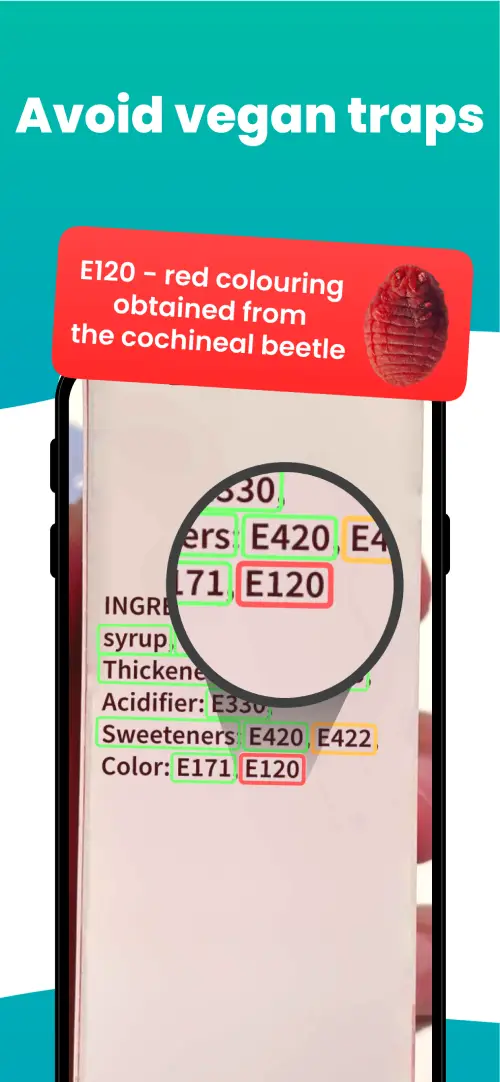
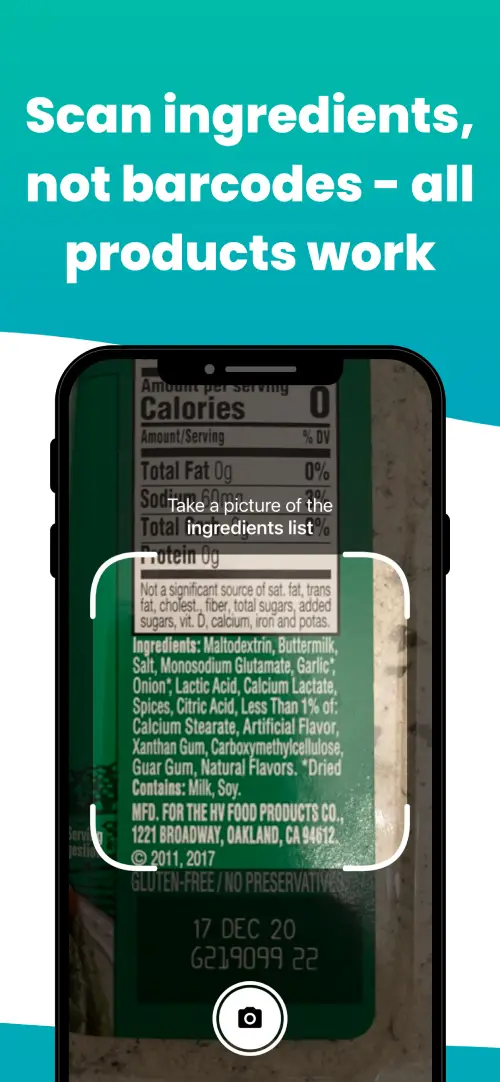
We've built a vegan ingredients scanner that classifies food ingredients as "vegan", "non-vegan", or "potentially vegan".
It allows you to avoid non-vegan ingredients - just take a picture of a product's ingredient list, and the app tells you if the product is vegan or not.



Check out other ingredients:
Is veg wax vegan?Is veggie wax vegan?Is vegan wax vegan?Is plant wax vegan?Is copernicia cerifera cera vegan?Is euphorbia cerifera cera vegan?Is myrica cerifera fruit wax vegan?Is nonfat dried coconut milk vegan?Is milled flax seed vegan?Is helianthus annuus seed cera vegan?Are blackstrap molasses vegan?Is theobroma grandiflorum seed butter vegan?
We'll never send you spam.