
Is yoghurt-covered vegan?
Yoghurt-covered is a non-vegan food ingredient.
Checking out an ingredients list? 👇
"You are amazing, this has saved me so much time when grocery shopping!"
— Austin, a user who reached out with feedback
"It's been a great tool since starting my journey! You take a pic of the nutrition/ingredients, and it'll warn you of anything questionable or not vegan. 😁"
— Ashe, a Vegan For Beginners Facebook Group member
"Use a vegan app when you go shopping, I use WhatsVegan."
— Dóra, a Vegan For Beginners Facebook Group member
So, what is yoghurt-covered?
Decoding Yoghurt-Covered: An Ingredient Analysis
The familiar sight of dried fruits, nuts, or pretzels enrobed in a smooth, opaque coating often signals a "yoghurt-covered" snack. With its characteristic off-white hue and a taste profile that delicately balances sweetness with a subtle tang, these items are a pervasive presence in many snack selections. Yet, for individuals navigating the landscape of veganism, a critical understanding of this ingredient's provenance is essential, as the traditional "yoghurt-covered" designation indicates a product inherently rooted in animal agriculture.
The Dairy Core: Why Yoghurt-Covered Is Not Vegan
At the heart of any traditional "yoghurt-covered" item lies dairy yoghurt, which is fundamentally derived from the milk of cows. The process begins with bovine lactation, where cows are intentionally bred and kept for their milk production. This milk is then fermented by specific bacterial cultures, transforming it into the creamy, tangy product we recognize as yoghurt. Every stage of this process, from the initial collection of milk to its processing, is inextricably linked to the animal agriculture industry. Therefore, any product featuring this coating contains animal-derived ingredients, rendering it unsuitable for a vegan diet based on principles of animal ethics.
Ethical Imperatives and Purity in Practice
From a vegan perspective, the rejection of dairy extends beyond mere dietary preference; it is a profound ethical stance against the systemic exploitation of sentient beings. The dairy industry, by its very nature, necessitates the continuous impregnation of female cows to stimulate milk production, followed by the separation of calves from their mothers shortly after birth. Male calves are often destined for veal production, while females enter the dairy cycle themselves. The life of a dairy cow is typically shorter than her natural lifespan, ending when her productivity wanes, at which point she is often sent for slaughter.
Consequently, consuming "yoghurt-covered" products directly contributes to this cycle of animal use and suffering. The commitment to purity within veganism dictates avoiding all animal byproducts, reflecting a desire to minimize harm and reject any food system that treats animals as commodities.
Beyond Yoghurt: Unveiling Hidden Dairy Derivatives
While the most obvious non-vegan component is the yoghurt itself, the coating's formulation often includes other dairy derivatives to achieve specific textures, stability, and shelf life. Common additions can include milk powder, whey powder, or casein – all protein or sugar components extracted from cow's milk. These ingredients further solidify the non-vegan status of "yoghurt-covered" items. For consumers, scrutinizing ingredient lists and understanding these related terms is crucial for genuine "label transparency." The presence of any dairy-derived element, regardless of its form, positions the product outside the realm of cruelty-free consumption.
Embracing Plant-Based Alternatives
Fortunately, the burgeoning market for plant-based foods offers numerous delicious and ethical alternatives for those who enjoy the concept of a coated snack. Innovations in food science have led to the creation of plant-based yoghurts made from ingredients like coconut milk, oat milk, soy milk, or almond milk. These are fermented with vegan cultures to achieve a similar creamy texture and tangy flavor profile.
When seeking an ethical equivalent, look for products explicitly labeled "vegan yoghurt-covered" or those specifying the use of plant-based coatings. These "plant-based alternatives" deliver the satisfying experience of a coated treat without compromising on animal welfare or ethical purity. They represent a conscious choice that aligns with a compassionate lifestyle, proving that indulgence need not come at the expense of sentient beings.
How to quickly find the source of ingredients like yoghurt-covered?
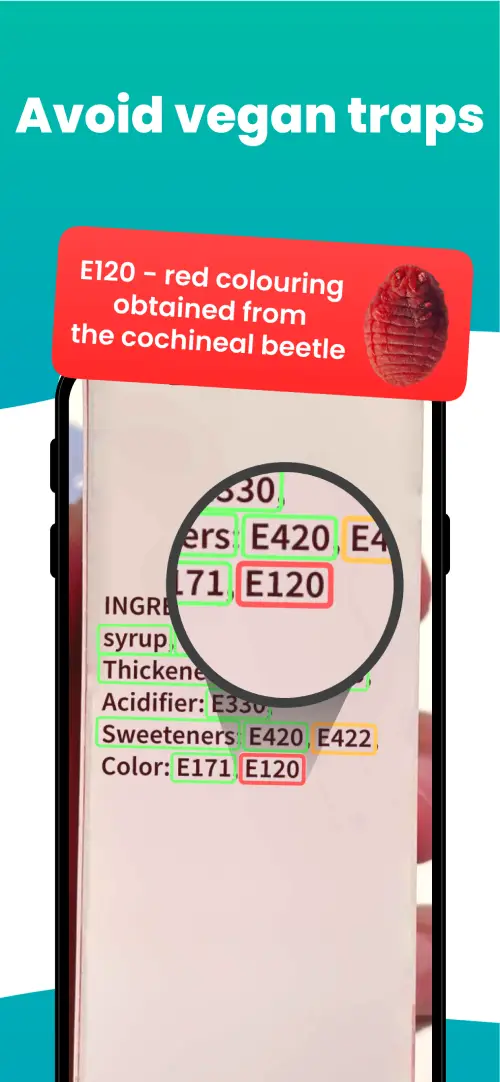
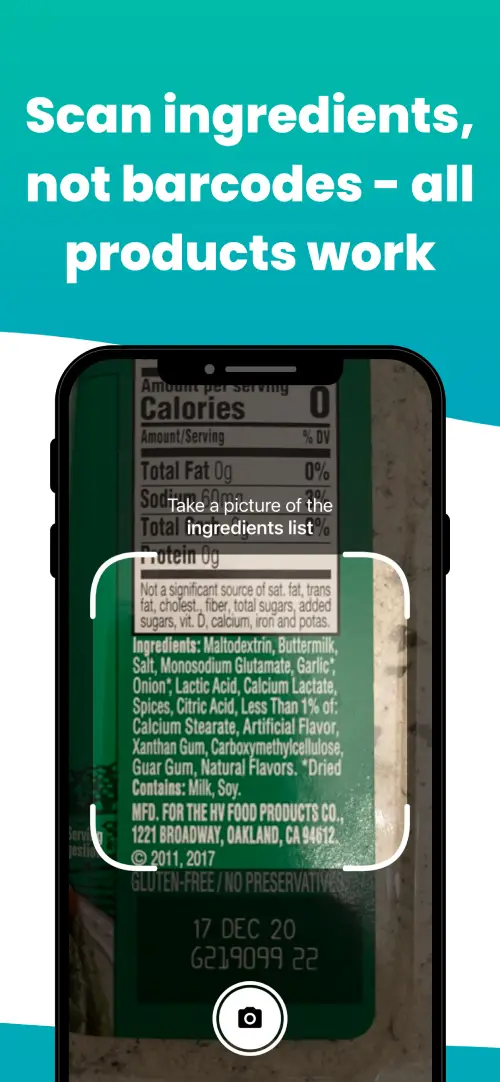
We've built a vegan ingredients scanner that classifies food ingredients as "vegan", "non-vegan", or "potentially vegan".
It allows you to avoid non-vegan ingredients - just take a picture of a product's ingredient list, and the app tells you if the product is vegan or not.



Check out other ingredients:
Is yoghurt-coated vegan?Is yogurt dressing vegan?Is tarte asian yogurt vegan?Is yogurt frozen sandwich vegan?Is strawberry yogurt vegan?Is yogurt starter vegan?Is plain yoghurt vegan?Is yogurt-coated vegan?Is yogurt-covered vegan?Is creamer vegan?Is plain drinkable yogurt vegan?Is e1184 vegan?
We'll never send you spam.