
Is yoghurt-coated vegan?
Yoghurt-coated is a non-vegan food ingredient.
Checking out an ingredients list? 👇
"You are amazing, this has saved me so much time when grocery shopping!"
— Austin, a user who reached out with feedback
"It's been a great tool since starting my journey! You take a pic of the nutrition/ingredients, and it'll warn you of anything questionable or not vegan. 😁"
— Ashe, a Vegan For Beginners Facebook Group member
"Use a vegan app when you go shopping, I use WhatsVegan."
— Dóra, a Vegan For Beginners Facebook Group member
So, what is yoghurt-coated?
Understanding Yoghurt-Coated Ingredients
The term "yoghurt-coated" frequently appears on confectionery and snack items, suggesting a creamy, tangy layer encasing dried fruits, nuts, or pretzels. From a vegan food science and ethical perspective, it's crucial to understand precisely what this coating entails.
The Inherent Non-Vegan Nature
At its core, traditional yoghurt is a dairy product. It is produced by the bacterial fermentation of milk, typically sourced from cows, though goat or sheep milk can also be used. This milk, a secretion from a lactating mammal, is inherently an animal-derived product. Consequently, any food item described as "yoghurt-coated" almost invariably utilizes a dairy-based yoghurt, rendering it unsuitable for a vegan diet.
The animal ethics behind this classification are clear. The production of milk involves the domestication, breeding, and exploitation of animals, primarily cows, for their lactation cycles. This often entails the separation of calves from their mothers shortly after birth, the culling of male calves in the veal industry, and the eventual slaughter of dairy cows when their milk production declines. From an ethical standpoint rooted in compassion and liberation, consuming products derived from this system is fundamentally misaligned with vegan principles.
Deconstructing the Coating
When an ingredient is "yoghurt-coated," it means a layer of this dairy-based preparation has been applied. This coating, often sweetened and sometimes stabilized with ingredients like gelatin (itself an animal byproduct derived from bovine or porcine collagen), forms a solid, often slightly crumbly or smooth shell. The primary component, however, remains milk solids, milk fat, and live active cultures that originated within a dairy environment.
For those adhering to animal ethics and seeking purity in their food choices, the presence of any dairy ingredient, regardless of its form (milk powder, whey, casein, or cultured yoghurt), constitutes a direct connection to animal agriculture. The coating isn't merely flavored like yoghurt; it is dairy yoghurt.
The Quest for Cruelty-Free Alternatives
Given the definitive non-vegan status of "yoghurt-coated" items, consumers seeking plant-based and cruelty-free options must look beyond this traditional descriptor. Thankfully, the market is evolving, and innovative food science is providing compelling alternatives.
Instead of traditional yoghurt coatings, truly plant-based versions utilize a foundation of plant milks, such as coconut, oat, almond, or cashew. These are then fermented with vegan-friendly bacterial cultures to achieve a similar tangy profile and creamy texture. When these are used as coatings, they are typically labeled explicitly as "plant-based coating," "vegan white coating," or specify the plant milk source, e.g., "coconut-based coating."
Label transparency becomes paramount here. Consumers should meticulously examine ingredient lists for "dairy-free" certifications or specific mention of plant-derived ingredients. Terms like "yoghurt-flavored coating" can sometimes be misleading, as flavorings might be vegan, but the base could still contain dairy. Always prioritize products that clearly state "vegan" or detail their plant-based components to ensure alignment with a pure and ethical diet.
In conclusion, while the appealing texture and tang of "yoghurt-coated" snacks might be tempting, their direct reliance on animal-derived milk places them firmly outside the realm of vegan consumption. Conscious choices and careful label scrutiny are essential for navigating the marketplace with integrity and supporting truly cruelty-free options.
How to quickly find the source of ingredients like yoghurt-coated?
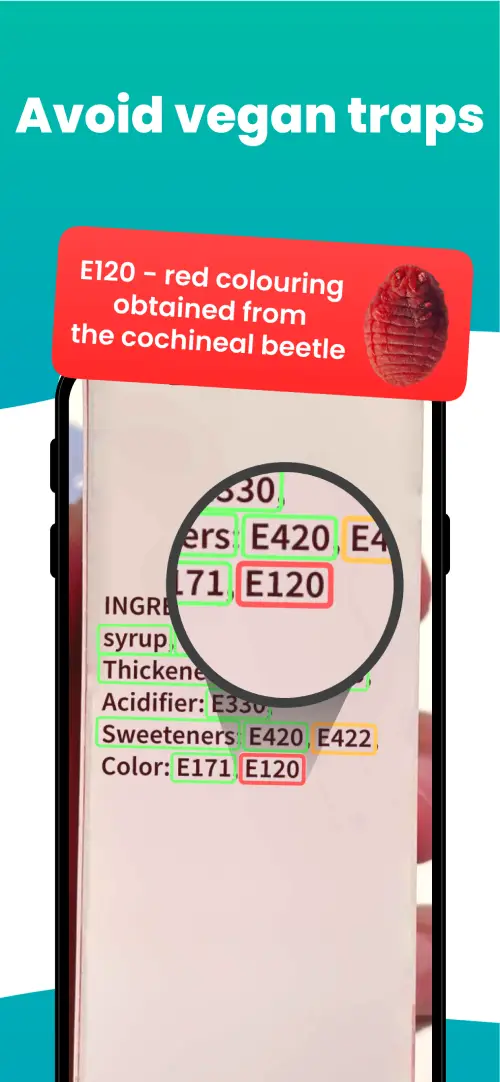
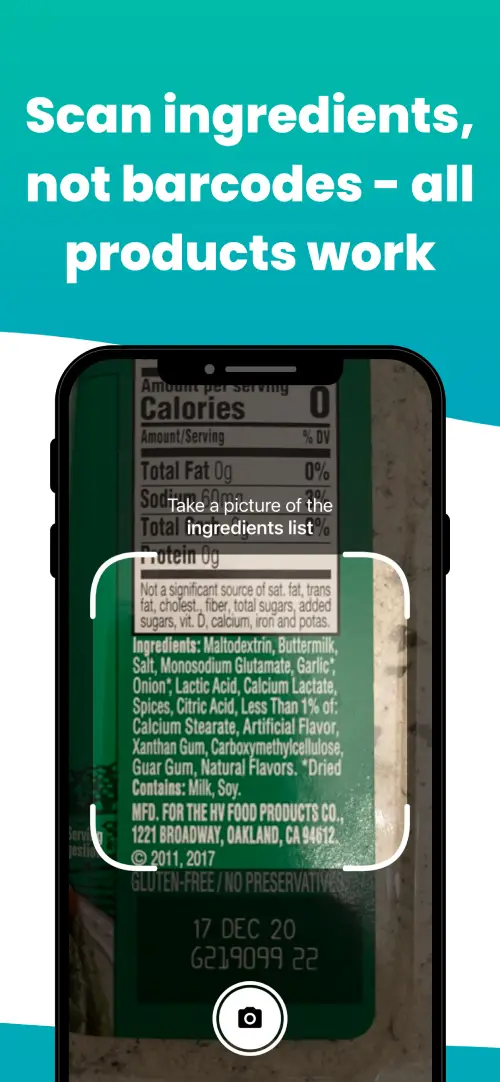
We've built a vegan ingredients scanner that classifies food ingredients as "vegan", "non-vegan", or "potentially vegan".
It allows you to avoid non-vegan ingredients - just take a picture of a product's ingredient list, and the app tells you if the product is vegan or not.



Check out other ingredients:
Is yoghurt-covered vegan?Are yogurt bites vegan?Are yogurt burst cheerios vegan?Is strained yogurt vegan?Is yogurt frozen sandwich vegan?Is plain yogurt vegan?Is yogurt liquid vegan?Is plain yoghurt vegan?Is plain nonfat yogurt vegan?Is plain low-fat yogurt vegan?Is plain greek yogurt vegan?Is peach cobbler yogurt vegan?
We'll never send you spam.