
Is yogurt starter vegan?
Yogurt starter is a non-vegan food ingredient.
Checking out an ingredients list? 👇
"You are amazing, this has saved me so much time when grocery shopping!"
— Austin, a user who reached out with feedback
"It's been a great tool since starting my journey! You take a pic of the nutrition/ingredients, and it'll warn you of anything questionable or not vegan. 😁"
— Ashe, a Vegan For Beginners Facebook Group member
"Use a vegan app when you go shopping, I use WhatsVegan."
— Dóra, a Vegan For Beginners Facebook Group member
So, what is yogurt starter?
The microbial communities responsible for transforming simple milk into the complex texture and tangy flavor of yogurt are commonly known as yogurt starter cultures. These cultures, primarily Lactobacillus bulgaricus and Streptococcus thermophilus, along with various bifidobacteria strains, are fundamental to the fermentation process. While the bacteria themselves are microorganisms, not animals, their status from a vegan perspective warrants careful examination due to their typical production and propagation methods.
Traditional yogurt starter cultures are definitively not vegan. The primary reason for this classification stems from their cultivation medium. These delicate bacterial strains are almost universally grown and maintained in a substrate derived from dairy. This means they are propagated using cow's milk, whey, casein, or lactose. The bacteria feed on and thrive in these animal-derived components, and even after processing, trace amounts of these milk proteins and sugars remain embedded within the starter culture itself.
For individuals committed to animal ethics and purity, the presence of even minuscule quantities of animal byproducts is a significant concern. The ethical stance of veganism extends beyond the direct consumption of animal flesh to encompass all animal secretions and derivatives, due to the inherent exploitation and often cruel practices within the dairy industry. Therefore, a starter culture grown on a dairy base is an unacceptable ingredient, as it directly supports and relies upon animal agriculture.
This reliance on dairy for cultivation means that the final yogurt starter, whether a freeze-dried powder or a liquid inoculum, contains residual animal proteins. These aren't just processing aids that are later removed; they are integral to the very life cycle and maintenance of the culture strains. As such, any product incorporating these conventional starters would not be considered cruelty-free.
The challenge for vegans often lies in label transparency. Sometimes, ingredient lists simply state "active cultures" or "bacterial cultures," without specifying the medium they were grown on. Without this crucial detail, a vegan consumer might unknowingly purchase a product that, by strict ethical standards, is not truly plant-based. This highlights the vital need for brands to disclose such information or for consumers to seek out explicitly labeled vegan products.
Fortunately, the landscape of plant-based alternatives has evolved significantly. Dedicated vegan yogurt starters are now readily available. These specialized cultures have been specifically developed and propagated on entirely plant-derived mediums, such as soy milk, coconut milk, rice syrup, or pea protein broth. These alternatives provide the identical functional properties needed for fermentation, producing delicious, tangy, and texturally rich plant-based yogurts without compromising ethical principles.
For a product to be truly vegan and align with a commitment to purity and non-exploitation, every component, including the microbial starter cultures, must originate from plant sources. The existence of these cruelty-free alternatives ensures that a truly ethical and delicious plant-based yogurt is not only possible but increasingly accessible.
How to quickly find the source of ingredients like yogurt starter?
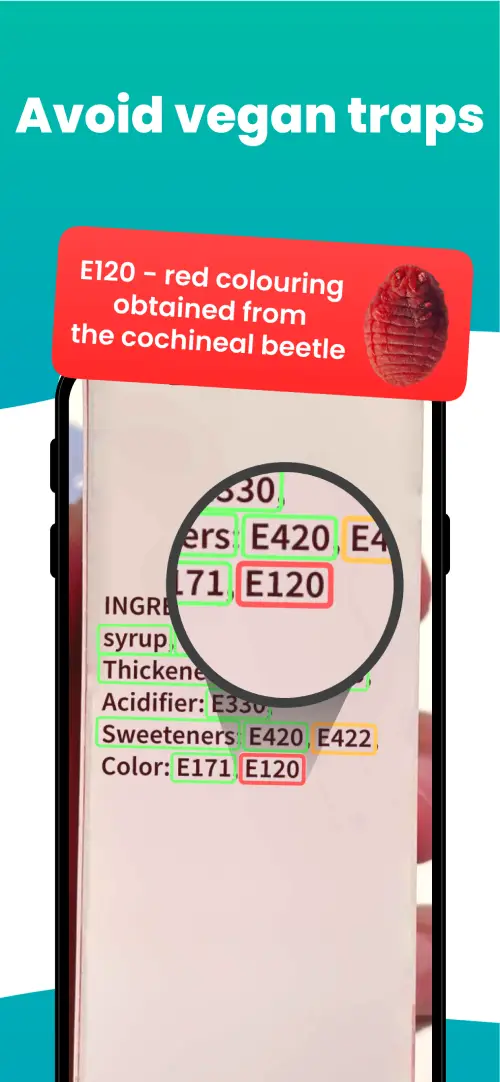
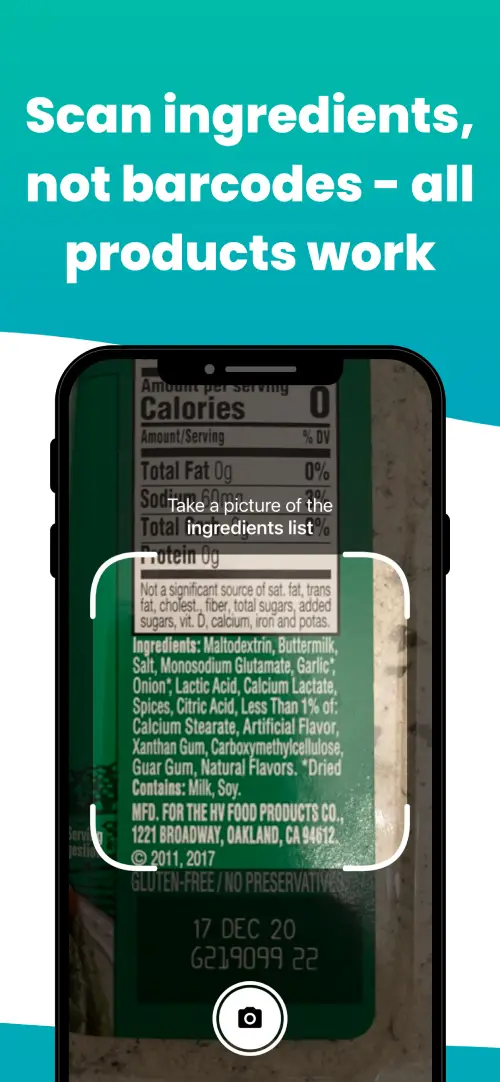
We've built a vegan ingredients scanner that classifies food ingredients as "vegan", "non-vegan", or "potentially vegan".
It allows you to avoid non-vegan ingredients - just take a picture of a product's ingredient list, and the app tells you if the product is vegan or not.



We'll never send you spam.