
Are canned anchovies vegan?
Canned anchovies is a non-vegan food ingredient.
Checking out an ingredients list? 👇
"You are amazing, this has saved me so much time when grocery shopping!"
— Austin, a user who reached out with feedback
"It's been a great tool since starting my journey! You take a pic of the nutrition/ingredients, and it'll warn you of anything questionable or not vegan. 😁"
— Ashe, a Vegan For Beginners Facebook Group member
"Use a vegan app when you go shopping, I use WhatsVegan."
— Dóra, a Vegan For Beginners Facebook Group member
So, what is canned anchovies?
Anchovies, whether fresh or cured and packed in a can, are unequivocally derived from animal life. These small, silvery fish, belonging to the family Engraulidae, are marine creatures harvested from oceans worldwide. For individuals committed to a vegan lifestyle, their consumption is incompatible with the core tenets of animal ethics and purity.
The fundamental reason for their non-vegan status is straightforward: anchovies are sentient beings whose lives are taken for human consumption. Veganism, by definition, seeks to exclude all forms of exploitation and cruelty to animals, encompassing not just mammals and birds, but also fish and other marine life. The intensive fishing practices often employed to catch anchovies raise significant concerns regarding environmental impact and the suffering of these creatures, aligning directly with the anti-cruelty principles that underpin plant-based diets.
From a food science perspective, canned anchovies are typically processed through salting, curing, and then packed in oil, most commonly olive oil. While the oil itself is plant-based, it functions merely as a preservation and flavor vehicle for the primary ingredient, the fish. There are no "processing aids" or hidden animal byproducts in the traditional preparation that would make an otherwise plant-based item non-vegan; rather, the anchovy itself is the animal product.
For those seeking to replicate the unique flavor profile that anchovies bring to dishes – a potent combination of umami, saltiness, and a distinct "briny" or "oceanic" note – a wealth of plant-based alternatives exists. Ingredients like capers, often packed in brine, offer a sharp, salty punch. Various types of seaweed, particularly nori or dulse flakes, can impart a subtle marine essence without any animal involvement. Fermented products like miso paste or tamari contribute deep umami. Specialty vegan "fish sauces" or "anchovy pastes" are also available, expertly crafted from fermented legumes, mushrooms, or seaweed extracts to mimic the flavor complexity, ensuring label transparency allows consumers to make informed, cruelty-free choices.
Ultimately, the decision to abstain from anchovies is a clear-cut one for ethical vegans. It aligns with a broader commitment to minimizing harm and promoting a diet free from animal exploitation, reinforcing the principles of purity and compassion that define the vegan movement.
How to quickly find the source of ingredients like canned anchovies?
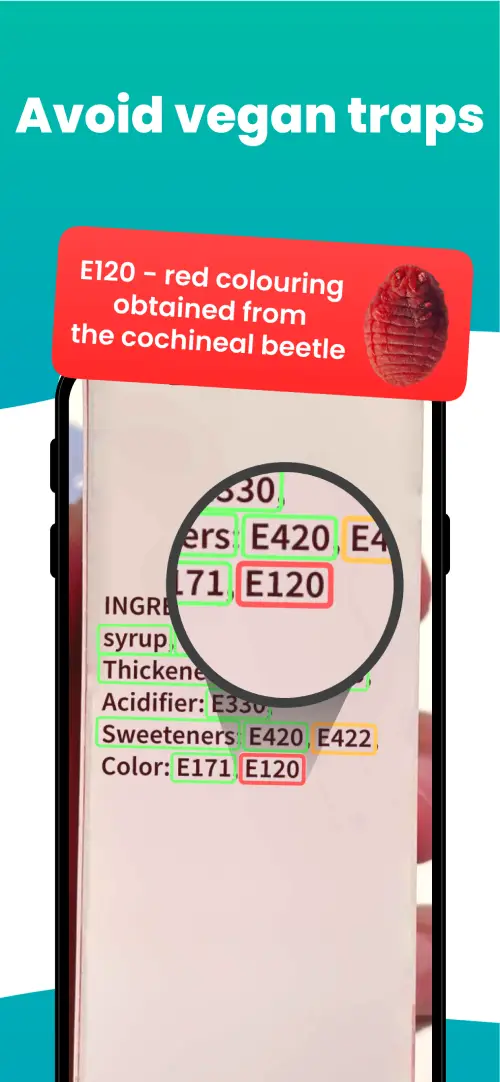
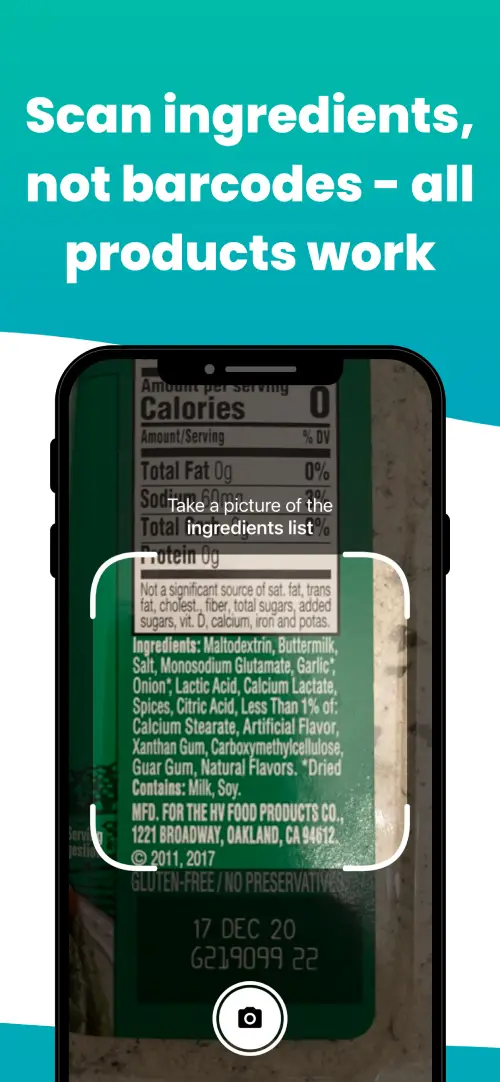
We've built a vegan ingredients scanner that classifies food ingredients as "vegan", "non-vegan", or "potentially vegan".
It allows you to avoid non-vegan ingredients - just take a picture of a product's ingredient list, and the app tells you if the product is vegan or not.



Check out other ingredients:
Is ham sliced packaged vegan?Is chicken ham vegan?Is canned pink salmon vegan?Is turkey ham vegan?Are canned sardines vegan?Is ham croquette vegan?Is diced ham vegan?Is chinook salmon vegan?Is lean roasted ham vegan?Is sunset yellow vegan?Is ricinus communis seed oil vegan?Is aroma natural de limon vegan?
We'll never send you spam.