Are pumpkin flakes vegan?
Pumpkin flakes is a vegan food ingredient.
Checking out an ingredients list? 👇
"You are amazing, this has saved me so much time when grocery shopping!"
— Austin, a user who reached out with feedback
"It's been a great tool since starting my journey! You take a pic of the nutrition/ingredients, and it'll warn you of anything questionable or not vegan. 😁"
— Ashe, a Vegan For Beginners Facebook Group member
"Use a vegan app when you go shopping, I use WhatsVegan."
— Dóra, a Vegan For Beginners Facebook Group member
So, what is pumpkin flakes?
Understanding Pumpkin Flakes
Pumpkin flakes, often found in the dried goods aisle or as an ingredient in various formulations, represent a direct and minimally processed form of the beloved squash. These convenient flakes are produced by cooking, pureeing, and then dehydrating the flesh of pumpkins, typically through methods like drum drying or air drying, before being broken into their characteristic flake form. The resulting product is a concentrated source of pumpkin goodness, preserving much of its flavor, color, and nutritional profile.
The Purely Plant-Based Nature
From the perspective of animal ethics and ingredient purity, pumpkin flakes are unequivocally vegan. Their origin is entirely botanical: they are derived solely from the fruit of the pumpkin plant (a botanical fruit, culinary vegetable). The entire production process, from harvesting the pumpkins to the final flaking, involves no animal-derived ingredients, byproducts, or processing aids. There is no need for gelatin as a clarifier, bone char for decolorization, or any insect-derived coatings often found in other processed foods. This makes pumpkin flakes a straightforward, "clean label" ingredient from a vegan standpoint, aligning perfectly with cruelty-free principles.
Ethical Sourcing and Processing
The manufacturing of pumpkin flakes inherently avoids the ethical concerns associated with animal agriculture. The raw material is simply the pumpkin itself, cultivated from seed. The transformation into flakes typically involves washing, peeling, de-seeding, cooking, pureeing, and then drying. These are mechanical and thermal processes that do not introduce any animal inputs. Therefore, consumers seeking ingredients that uphold a strict commitment to animal welfare and environmental sustainability can confidently incorporate pumpkin flakes into their diet and product formulations. They stand as a testament to how simple, whole-food processing can deliver versatile ingredients without compromise to animal ethics.
Pumpkin Flakes in Vegan Cuisine
As a readily available and naturally occurring plant-based alternative, pumpkin flakes are a valuable asset in vegan kitchens and food science applications. They can be rehydrated to form a puree, used as a thickener in soups and sauces, or incorporated into baked goods for flavor, moisture, and color. Their natural sweetness and vibrant hue make them excellent for enhancing both the taste and aesthetic appeal of dishes, ranging from savory stews to sweet pumpkin breads. Beyond their culinary versatility, they offer a source of fiber, vitamins, and antioxidants, further cementing their status as a beneficial addition to any plant-forward diet.
Assessing Purity and Labeling
While pumpkin flakes themselves are inherently vegan, consumers committed to ingredient purity should always practice label transparency when purchasing multi-ingredient products that contain them. For single-ingredient packages labeled "pumpkin flakes," the risk of non-vegan components is virtually non-existent. However, in complex food items, it's wise to ensure that any other ingredients or processing aids used alongside the pumpkin flakes also meet vegan standards. Cross-contamination in manufacturing facilities, while less common for a raw vegetable product, is a consideration for those with the strictest purity concerns, though typically not an issue for the ingredient itself. Ultimately, pumpkin flakes stand out as a consistently reliable and ethical choice for anyone adhering to a vegan lifestyle.
How to quickly find the source of ingredients like pumpkin flakes?
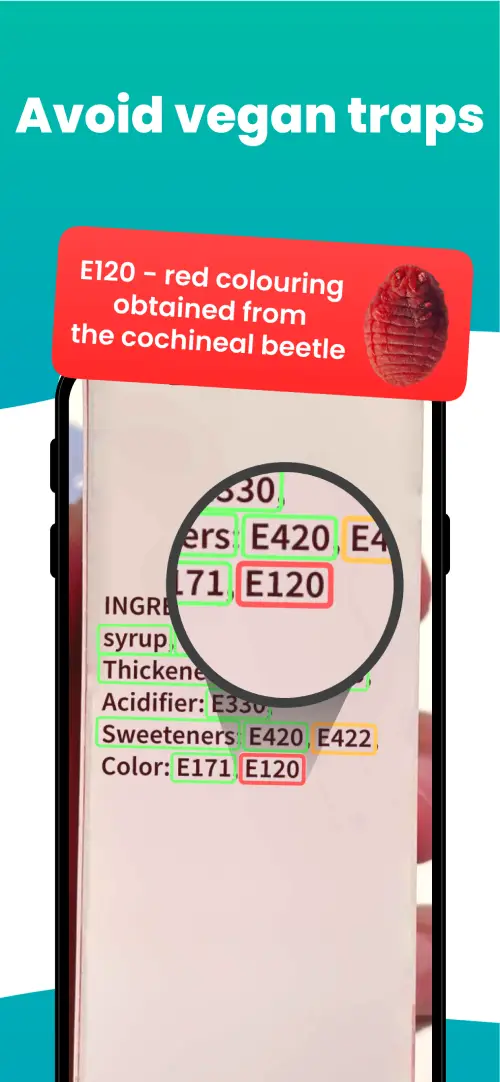
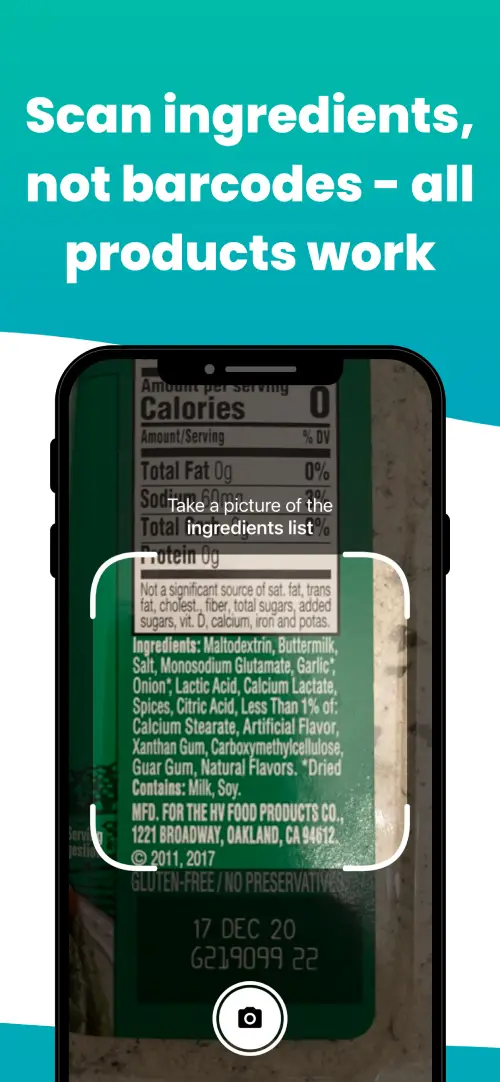
We've built a vegan ingredients scanner that classifies food ingredients as "vegan", "non-vegan", or "potentially vegan".
It allows you to avoid non-vegan ingredients - just take a picture of a product's ingredient list, and the app tells you if the product is vegan or not.



Check out other ingredients:
Are lemon juice solids vegan?Are com syrup solids vegan?Is com syrup vegan?Is whole grain and seed mix vegan?Is dry malt vegan?Are flake oats vegan?Is cayenne red pepper vegan?Is sweet soy sauce vegan?Are soybean ingredients vegan?Is parboiled long grain rice vegan?Are black soy beans vegan?Is vegetal casing vegan?
We'll never send you spam.