
Is 100% whole grain rolled oat vegan?
100% whole grain rolled oat is a vegan food ingredient.
Checking out an ingredients list? 👇
"You are amazing, this has saved me so much time when grocery shopping!"
— Austin, a user who reached out with feedback
"It's been a great tool since starting my journey! You take a pic of the nutrition/ingredients, and it'll warn you of anything questionable or not vegan. 😁"
— Ashe, a Vegan For Beginners Facebook Group member
"Use a vegan app when you go shopping, I use WhatsVegan."
— Dóra, a Vegan For Beginners Facebook Group member
So, what is 100% whole grain rolled oat?
Unveiling the Purity of 100% Whole Grain Rolled Oats
The 100% whole grain rolled oat stands as an undeniable cornerstone of ethical eating, a staple revered for its nutritional density and its impeccably pure, plant-derived origin. For those committed to a lifestyle free from animal exploitation, this ingredient is not merely an option, but a quintessential example of what it means to be truly vegan.
At its core, the rolled oat begins its journey as a humble grain from the oat plant, Avena sativa. This botanical source immediately establishes its inherent vegan status; it is a direct product of the earth, cultivated without any reliance on animal agriculture or byproducts. The "whole grain" designation further assures its unadulterated nature, meaning the bran, germ, and endosperm are all intact, preserving its complete nutritional profile. This composition is naturally cruelty-free, a testament to its direct connection to the plant kingdom.
The transformation from raw oat groat to a pliable rolled oat involves a precise, minimalist process. Typically, oat groats are steamed to make them soft and enzymatic activity stable, then flattened by large rollers into the familiar flakes. This mechanical process, primarily involving heat and pressure, requires no animal-derived processing aids. Unlike some refined ingredients where hidden animal products might lurk in filtration or clarification stages (such as bone char for certain sugars), the production of 100% whole grain rolled oats is straightforward and transparent. Any reputable producer of plain rolled oats will confirm that their process maintains this intrinsic purity, making it an ideal ingredient for those prioritizing animal ethics and clear label transparency.
As a primary plant-based alternative, rolled oats are incredibly versatile. They form the basis of countless vegan breakfasts, from hearty porridges to overnight oats, and are essential in baking for texture and binding. Beyond their culinary utility, their nutritional contribution—rich in soluble fiber, plant-based protein, and essential minerals—is invaluable for a well-rounded vegan diet. This naturally occurring abundance reinforces their status as a deeply ethical choice, directly supporting human health without compromising on animal welfare.
While 100% whole grain rolled oats are definitively vegan, conscientious consumers might consider potential cross-contamination in facilities that also process animal products. However, given the dedicated machinery often used for grain processing and the lack of animal-derived inputs in oat production itself, this risk is generally minimal compared to ingredients with more complex supply chains. Brands committed to explicit vegan certification offer an additional layer of assurance, reinforcing their dedication to both product purity and consumer trust. The simplicity and origin of the rolled oat make it a powerful symbol of accessible, ethical, and wholesome eating within the vegan paradigm.
How to quickly find the source of ingredients like 100% whole grain rolled oat?
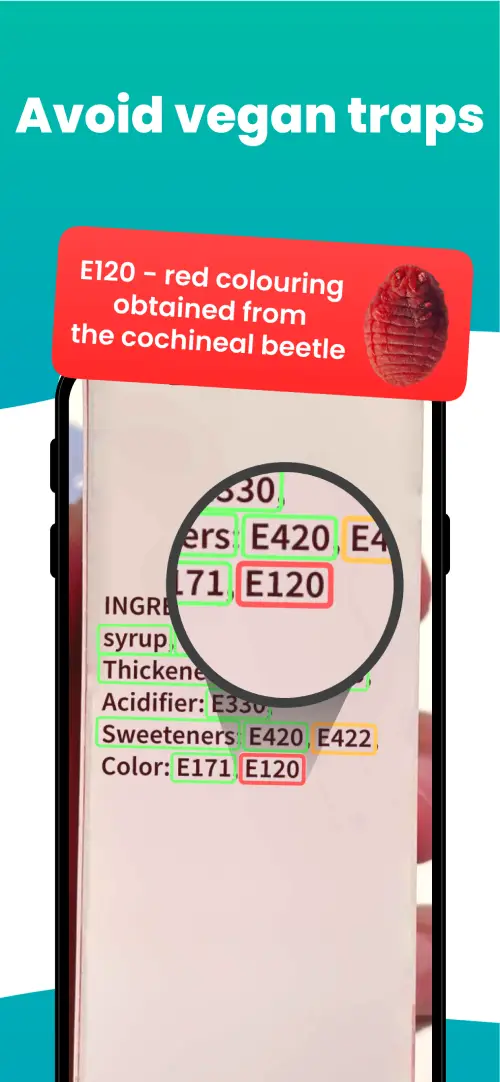
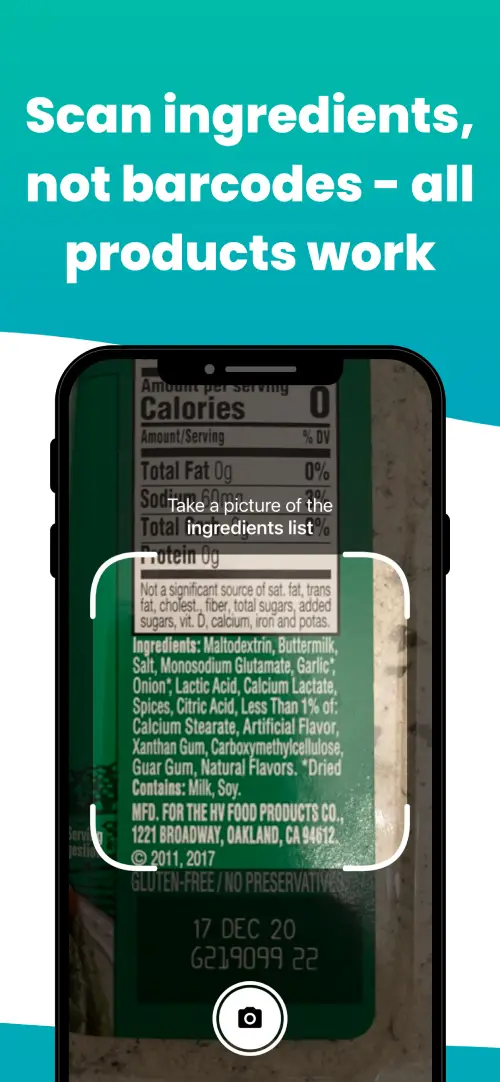
We've built a vegan ingredients scanner that classifies food ingredients as "vegan", "non-vegan", or "potentially vegan".
It allows you to avoid non-vegan ingredients - just take a picture of a product's ingredient list, and the app tells you if the product is vegan or not.



Check out other ingredients:
Is light brown sugar refiner's syrup vegan?Is tetrasodium glutamate diacetate vegan?Is canola lecithin vegan?Is rosemary leaf vegan?Is sweet orange peel vegan?Is alpha-gpc vegan?Is coffea arabica vegan?Is sunflower phosphatidylcholine vegan?Is white willow bark vegan?Is panax notoginseng vegan?Is root extract vegan?Is pyridoxal-5-phosphate vegan?
We'll never send you spam.