
Is alpha-gpc vegan?
Alpha-gpc is a vegan food ingredient.
Checking out an ingredients list? 👇
"You are amazing, this has saved me so much time when grocery shopping!"
— Austin, a user who reached out with feedback
"It's been a great tool since starting my journey! You take a pic of the nutrition/ingredients, and it'll warn you of anything questionable or not vegan. 😁"
— Ashe, a Vegan For Beginners Facebook Group member
"Use a vegan app when you go shopping, I use WhatsVegan."
— Dóra, a Vegan For Beginners Facebook Group member
So, what is alpha-gpc?
Understanding Alpha-GPC: A Deeper Dive for the Ethical Consumer
Alpha-GPC, or L-Alpha Glycerylphosphorylcholine, is a naturally occurring choline compound recognized for its significant role in cognitive function and brain health. As a precursor to acetylcholine, a crucial neurotransmitter involved in memory, learning, and focus, it has garnered considerable attention within the scientific community and among those seeking to support mental acuity. Its presence in various foods and within the human body underscores its biological importance.
From a commercial standpoint, Alpha-GPC is typically derived through the enzymatic hydrolysis of phosphatidylcholine. This key phospholipid is abundantly found in lecithin, a lipid mixture frequently sourced from plant materials. The primary feedstock for commercially produced Alpha-GPC is most often soy lecithin or sunflower lecithin. This utilization of plant-based source materials positions Alpha-GPC favorably for those adhering to a vegan lifestyle, as its fundamental origin avoids direct animal exploitation.
However, the journey from raw material to a finished ingredient demands a closer examination through the lens of animal ethics and purity. While the initial source—soy or sunflower—is unequivocally plant-based, the subsequent processing stages present nuances that necessitate diligent inquiry. The enzymatic hydrolysis itself, for instance, employs enzymes. The origin of these processing aids is critical: are they microbially derived and thus cruelty-free, or could they potentially be sourced from animal byproducts? While the industry largely favors microbial enzymes for such applications due to efficiency and cost, a lack of explicit certification or comprehensive label transparency leaves room for ambiguity.
Furthermore, purification and filtration processes can sometimes involve materials that are not aligned with a strictly plant-based ethos. While less common for Alpha-GPC specifically, it is not unheard of for general ingredient manufacturing to utilize animal-derived clarifiers or filtration media, posing a concern for cruelty-free integrity. Cross-contamination in facilities handling both animal and plant-derived ingredients also remains a persistent consideration for the ethical consumer.
For Alpha-GPC to be definitively classified as vegan, manufacturers must provide complete transparency regarding their entire supply chain and production methodology. This includes verifying the absence of any animal-derived processing aids, the use of dedicated or thoroughly cleaned equipment to prevent cross-contamination, and the ethical sourcing of all components involved in its creation. Without such assurances, Alpha-GPC remains in a category of "Potentially Vegan," requiring consumers to actively seek out brands committed to a fully vegan and cruelty-free production standard.
When exploring nootropic supplements or functional foods containing Alpha-GPC, always prioritize products that explicitly state their vegan certification or offer detailed information about their ingredient sourcing and manufacturing practices. This commitment to label transparency is paramount, allowing conscious consumers to make informed choices that align with their values of animal welfare and dietary purity. While Alpha-GPC offers compelling benefits, its ethical consumption hinges on this critical due diligence.
How to quickly find the source of ingredients like alpha-gpc?
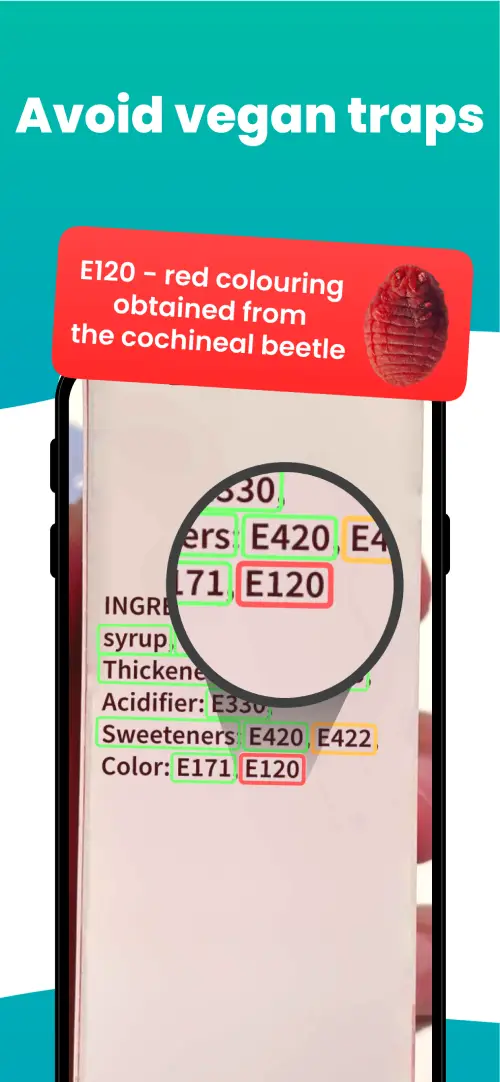
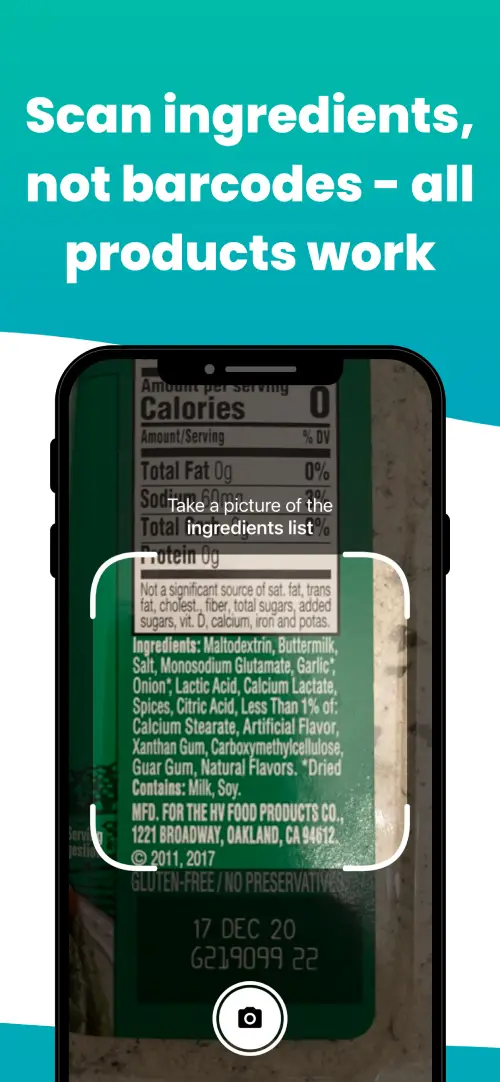
We've built a vegan ingredients scanner that classifies food ingredients as "vegan", "non-vegan", or "potentially vegan".
It allows you to avoid non-vegan ingredients - just take a picture of a product's ingredient list, and the app tells you if the product is vegan or not.



Check out other ingredients:
Is coffea arabica vegan?Is alpha-glyceryl phosphoryl choline 50% vegan?Is panax notoginseng vegan?Is canola lecithin vegan?Is 100% whole grain rolled oat vegan?Is pyridoxal 5'-phosphate vegan?Is cultured wheat starch vegan?Is natural coconut flavor vegan?Is oil of peppermint vegan?Is rosemary leaf vegan?Is l-lysine hydrochloride vegan?Is deboned beef vegan?
We'll never send you spam.