
Is hydroxyethyl urea vegan?
Hydroxyethyl urea is a vegan food ingredient.
Checking out an ingredients list? 👇
"You are amazing, this has saved me so much time when grocery shopping!"
— Austin, a user who reached out with feedback
"It's been a great tool since starting my journey! You take a pic of the nutrition/ingredients, and it'll warn you of anything questionable or not vegan. 😁"
— Ashe, a Vegan For Beginners Facebook Group member
"Use a vegan app when you go shopping, I use WhatsVegan."
— Dóra, a Vegan For Beginners Facebook Group member
So, what is hydroxyethyl urea?
Hydroxyethyl Urea: An Essential for Mindful Formulations
In the pursuit of truly ethical and high-performing formulations, understanding each component's origin and impact is paramount. Hydroxyethyl urea, often found in advanced skincare and personal care products, offers a compelling profile for the discerning consumer and formulator.
The Science Behind Enhanced Hydration
Hydroxyethyl urea (HEU) is a synthetic humectant, prized for its exceptional ability to draw and hold moisture, much like traditional urea but without its potential for tackiness or irritation. Chemically, it is a derivative of urea, modified to enhance its moisturizing capabilities while maintaining a pleasant skin feel. Its small molecular size allows it to penetrate effectively, improving skin elasticity and barrier function. When applied, it leaves a smooth, hydrated finish, significantly improving the efficacy and sensory experience of creams, lotions, and serums.
Our Ethical Stance: A Truly Vegan Ingredient
From the perspective of animal ethics and purity, hydroxyethyl urea stands firmly in the "Vegan" category. The "why" behind this status is straightforward and reassuring: it is entirely synthesized in a laboratory. The manufacturing process typically involves a reaction between urea (which itself is synthetically produced from ammonia and carbon dioxide, avoiding animal sources) and ethylene oxide. This controlled chemical synthesis ensures that no animal-derived raw materials, byproducts, or processing aids are utilized at any stage.
This synthetic origin is a significant advantage for those committed to a vegan lifestyle. Unlike ingredients where animal-derived processing aids might be a hidden concern, or where ambiguous sourcing could lead to ethical compromises, hydroxyethyl urea offers peace of mind. It inherently aligns with a cruelty-free ethos, as its creation does not involve animal exploitation or testing. It’s not merely a plant-based alternative; rather, it is a scientifically designed compound that offers superior performance without ethical burden, complementing other natural humectants in vegan product development.
Integrating into Conscious Product Development
For vegan food scientists and formulators, hydroxyethyl urea represents a valuable asset. It coexists beautifully with more traditionally recognized plant-based alternatives like glycerin, hyaluronic acid, or tremella mushroom extract, each contributing unique benefits to a complete formulation. While glycerin, for instance, is a cornerstone plant-derived humectant, HEU offers a distinct, non-sticky texture that can elevate the user experience, making it a preferred choice for lightweight, fast-absorbing products. Its inclusion allows for the creation of sophisticated, high-performance vegan products that do not compromise on efficacy or sensory appeal.
Commitment to Transparent Sourcing
In a market increasingly valuing ethical consumption, label transparency becomes a cornerstone of trust. For ingredients like hydroxyethyl urea, advocating for clear and concise ingredient lists empowers consumers to make informed choices. While its synthetic nature guarantees its vegan status, clear communication from brands about their sourcing and manufacturing processes for all ingredients, including processing aids, reinforces their commitment to animal welfare and purity. This dedication extends beyond merely listing components; it involves a holistic approach to ingredient integrity from concept to shelf.
Hydroxyethyl urea offers a potent combination of advanced scientific performance and an impeccable ethical profile, making it a truly definitive choice for vegan and cruelty-free formulations.
How to quickly find the source of ingredients like hydroxyethyl urea?
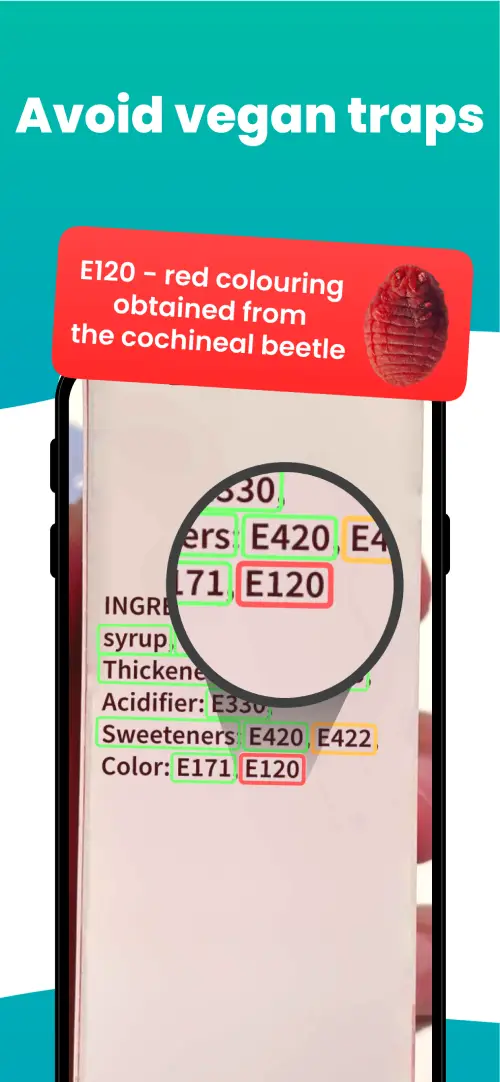
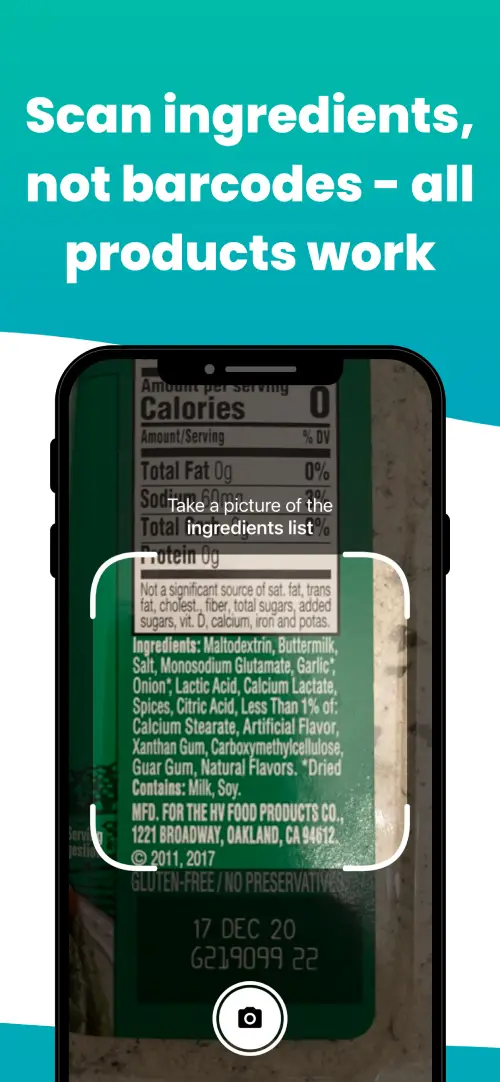
We've built a vegan ingredients scanner that classifies food ingredients as "vegan", "non-vegan", or "potentially vegan".
It allows you to avoid non-vegan ingredients - just take a picture of a product's ingredient list, and the app tells you if the product is vegan or not.



Check out other ingredients:
Is polyquaternium-7 vegan?Is chlorphenesin vegan?Is d-limonene benxoic acid vegan?Is dmdm hydantoin vegan?Is propylene glycol vegan?Are plant phospholipids vegan?Is medicago sativa leaf extract vegan?Is aloe barbadensis (aloe) leaf juice vegan?Is humulus lupulus flower extract vegan?Is arginine aspartic acid vegan?Is aromi naturali di limone vegan?Is und polyphosphate vegan?
We'll never send you spam.