
Is chlorphenesin vegan?
Chlorphenesin is a vegan food ingredient.
Checking out an ingredients list? 👇
"You are amazing, this has saved me so much time when grocery shopping!"
— Austin, a user who reached out with feedback
"It's been a great tool since starting my journey! You take a pic of the nutrition/ingredients, and it'll warn you of anything questionable or not vegan. 😁"
— Ashe, a Vegan For Beginners Facebook Group member
"Use a vegan app when you go shopping, I use WhatsVegan."
— Dóra, a Vegan For Beginners Facebook Group member
So, what is chlorphenesin?
The Ethical Assurance of Chlorphenesin
In the meticulous world of ingredient scrutiny, particularly for those committed to a vegan lifestyle, understanding the provenance of every component is paramount. Chlorphenesin stands out as an ingredient that consistently aligns with animal ethics, offering a clear and reassuring status for plant-based consumers. Primarily recognized for its preservative, antifungal, and antibacterial properties, chlorphenesin is a synthetic compound widely utilized across various formulations, from cosmetics to topical applications where microbial stability is critical.
The unambiguous vegan status of chlorphenesin stems directly from its manufacturing process. It is not derived from any animal source, nor does its synthesis typically involve animal-derived raw materials or processing aids at any stage. This chemical compound is laboratory-produced, built from fundamental chemical precursors through controlled reactions. This synthetic pathway eliminates concerns often associated with ingredients that might indirectly rely on animal agriculture, such as those derived from insect secretions, bovine byproducts, or marine organisms. For the discerning vegan, this means a clean slate, free from the ethical ambiguities of animal exploitation.
Crucially, the absence of animal inputs extends beyond the core compound itself. When sourcing chlorphenesin, manufacturers committed to ethical standards ensure that no animal-derived processing aids are employed during its purification or refinement. This dedication to purity and label transparency is vital for consumers who seek to avoid not just direct animal ingredients but also any indirect contact or contribution to animal industries. It ensures that the integrity of a product designated "cruelty-free" extends to its preservative systems.
While chlorphenesin itself isn't a "plant-based alternative" in the sense of being a food staple, its synthetic nature makes it a reliable choice for formulators creating truly vegan products. Unlike some preservatives that might have questionable origins or rely on complex supply chains with potential for animal-derived contamination, chlorphenesin offers a straightforward, ethically sound option. Its inclusion in a product's ingredient list provides peace of mind, reinforcing a brand's commitment to avoiding animal products.
For those adhering to a strict vegan philosophy, chlorphenesin represents an ingredient that requires no further investigation or compromise. It stands as a testament to scientific innovation providing effective solutions without encroaching on animal welfare. Its consistent synthetic production ensures a reliable and ethically pure component, allowing vegan consumers to confidently choose products where microbial integrity is maintained without ethical burden.
How to quickly find the source of ingredients like chlorphenesin?
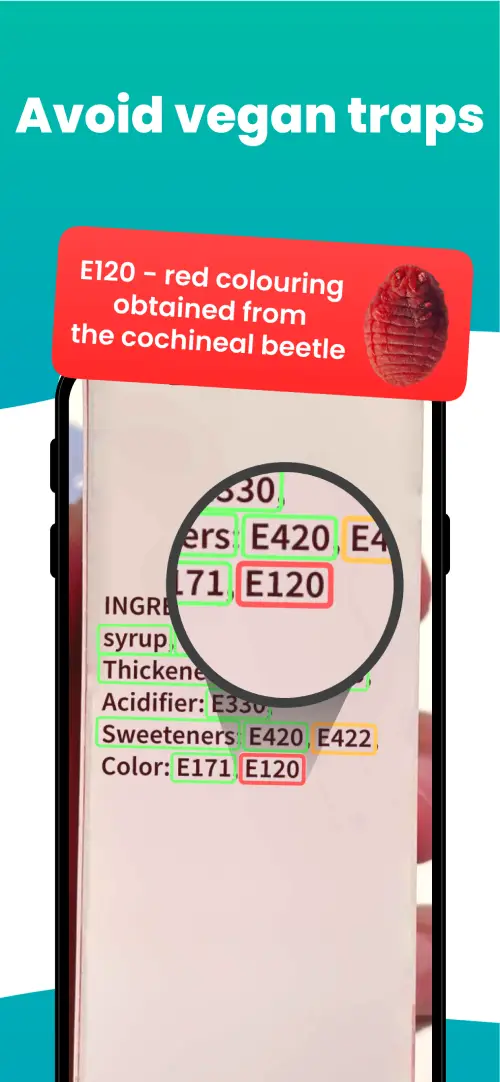
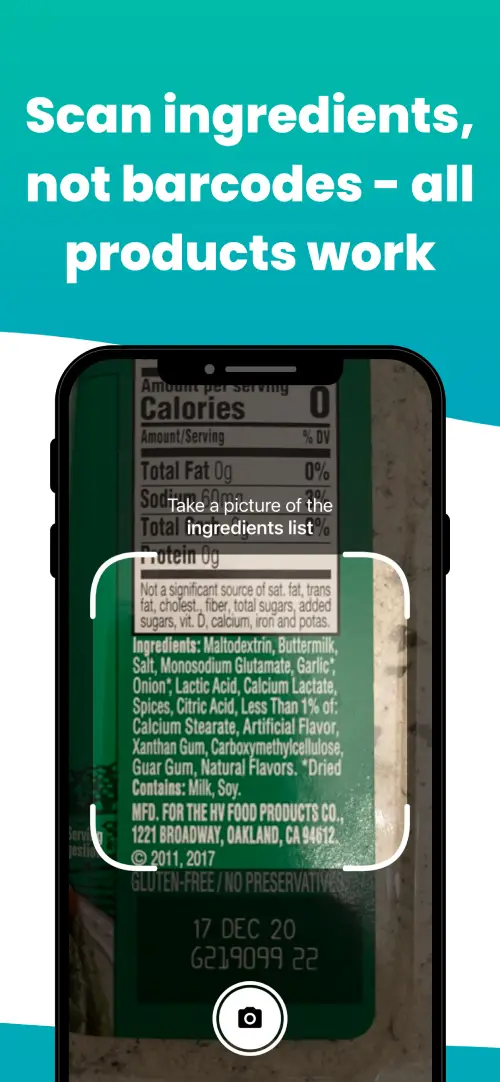
We've built a vegan ingredients scanner that classifies food ingredients as "vegan", "non-vegan", or "potentially vegan".
It allows you to avoid non-vegan ingredients - just take a picture of a product's ingredient list, and the app tells you if the product is vegan or not.



Check out other ingredients:
Is butylphenyl methylpropional vegan?Is hydroxyethyl urea vegan?Is propylene glycol vegan?Is melilotus officinalis flower extract vegan?Is sodium laureth sulfosuccinate vegan?Is dmdm hydantoin vegan?Is humulus lupulus flower extract vegan?Is arginine aspartic acid vegan?Is citrus paradisi (grapefruit) seed extract vegan?Is pca vegan?Is aloe barbadensis (aloe) leaf juice vegan?Is cocoamidopropyl betaine vegan?
We'll never send you spam.