
Is cultured wheat starch vegan?
Cultured wheat starch is a vegan food ingredient.
Checking out an ingredients list? 👇
"You are amazing, this has saved me so much time when grocery shopping!"
— Austin, a user who reached out with feedback
"It's been a great tool since starting my journey! You take a pic of the nutrition/ingredients, and it'll warn you of anything questionable or not vegan. 😁"
— Ashe, a Vegan For Beginners Facebook Group member
"Use a vegan app when you go shopping, I use WhatsVegan."
— Dóra, a Vegan For Beginners Facebook Group member
So, what is cultured wheat starch?
An Unpacking of Cultured Wheat Starch
In the evolving landscape of food science and ethical consumption, ingredients like cultured wheat starch are gaining prominence for their versatility and alignment with plant-based principles. This ingredient, often found in a diverse array of modern food products, represents a fascinating intersection of traditional fermentation and contemporary food technology, offering benefits without compromising animal welfare.
The Pure Provenance of Cultured Wheat Starch
At its core, cultured wheat starch begins with a foundational plant ingredient: wheat. The starch is extracted from wheat kernels, a process that inherently avoids any animal-derived components. What makes it "cultured" is the subsequent fermentation process. Specific, beneficial microorganisms, typically lactic acid bacteria (the same kind used to make yogurt or sourdough, but here acting on a different substrate), are introduced to the wheat starch. These microorganisms consume the carbohydrates in the starch, producing various organic acids and compounds. This biological transformation enhances the starch's properties, rather than introducing anything non-vegan.
From an animal ethics perspective, cultured wheat starch stands as a genuinely cruelty-free ingredient. There is no involvement of animals at any stage of its production – no animal testing, no animal byproducts, and no exploitation. This unwavering plant-based origin makes it a clear choice for those seeking absolute purity in their diets, aligning perfectly with the core tenets of veganism. It is a common and reliable plant-based alternative for various functional needs in food manufacturing.
Functionality Beyond Ethics: A Plant-Based Workhorse
The appeal of cultured wheat starch extends beyond its ethical purity; its functional attributes are significant, particularly in the realm of plant-based alternatives. The fermentation process endows it with natural preservative qualities. The organic acids produced during culturing can inhibit the growth of spoilage microorganisms like mold and yeast, effectively extending the shelf life of food products without relying on synthetic chemical preservatives. For manufacturers aiming for "clean label" formulations, this natural preservation method is invaluable.
Moreover, cultured wheat starch can enhance the texture and structure of food items. In baked goods, for instance, it can contribute to a softer crumb and improved elasticity, attributes often challenged in egg-free or dairy-free recipes. Its ability to manage moisture and improve dough characteristics makes it a beneficial processing aid in many vegan breads, pastries, and even meat alternatives, where it can contribute to a desirable chew and mouthfeel.
Navigating Label Transparency
For the discerning consumer, label transparency is paramount. When cultured wheat starch appears on an ingredient list, it represents a clear and unambiguous plant-derived component. There are no "gray areas" or hidden animal inputs typically associated with some less transparent ingredients. Its presence signals a deliberate choice by food manufacturers to utilize a natural, plant-based functional ingredient that supports both product quality and ethical standards. This clarity empowers individuals to make informed choices, confident that their commitment to a vegan lifestyle is fully honored.
In essence, cultured wheat starch is more than just a functional additive; it embodies the potential for food innovation that respects animal life while delivering on performance. It is a testament to how natural processes can yield powerful, ethical solutions for the modern food industry.
How to quickly find the source of ingredients like cultured wheat starch?
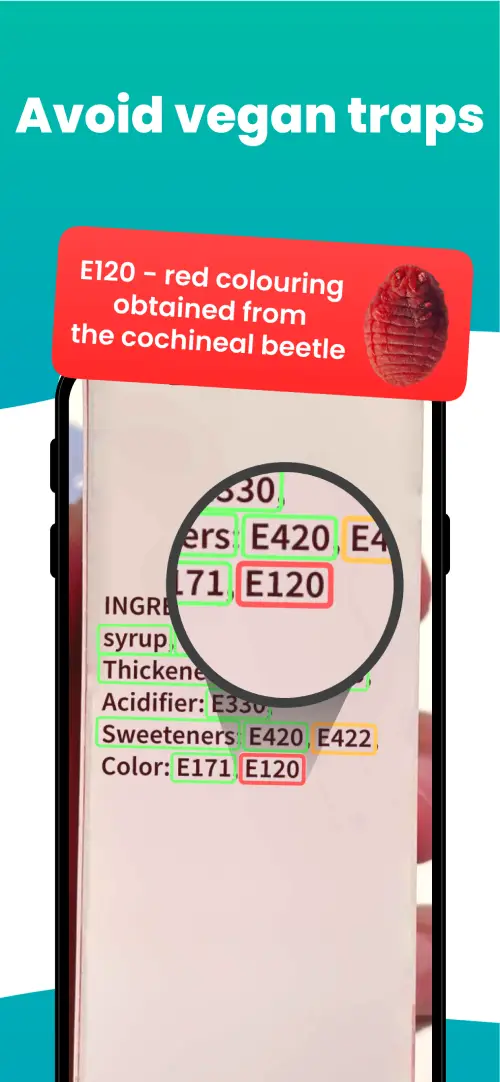
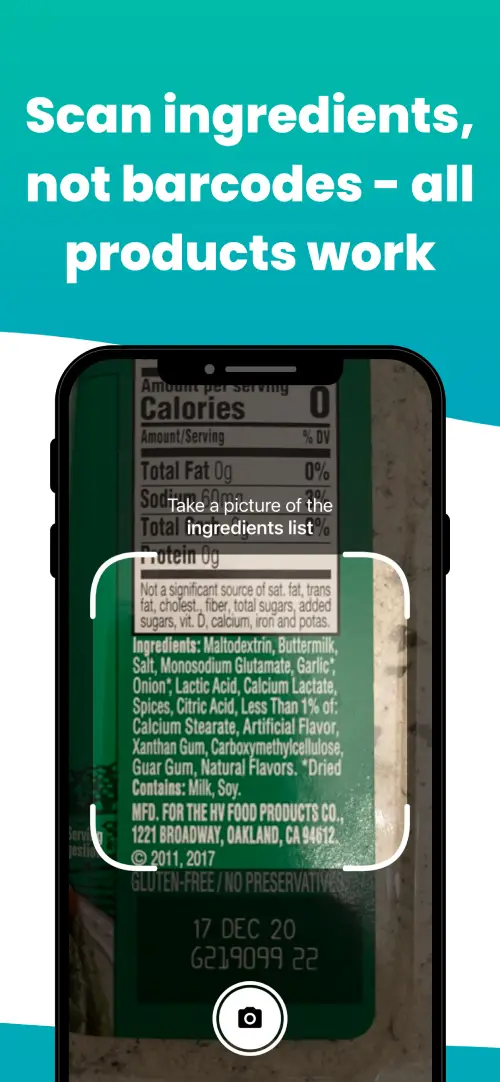
We've built a vegan ingredients scanner that classifies food ingredients as "vegan", "non-vegan", or "potentially vegan".
It allows you to avoid non-vegan ingredients - just take a picture of a product's ingredient list, and the app tells you if the product is vegan or not.



Check out other ingredients:
Is brown sugar refiner's syrup vegan?Is light brown sugar refiner's syrup vegan?Is canola lecithin vegan?Is litsea cubeba vegan?Is litsea fruit vegan?Is sunflower phosphatidylcholine vegan?Is alpha-gpc vegan?Is astragalus membranaceus vegan?Is panax notoginseng vegan?Is cbd vegan?Is root extract vegan?Is cupric oxide vegan?
We'll never send you spam.