
Is ananas sativus (pineapple) fruit vegan?
Ananas sativus (pineapple) fruit is a vegan food ingredient.
Checking out an ingredients list? 👇
"You are amazing, this has saved me so much time when grocery shopping!"
— Austin, a user who reached out with feedback
"It's been a great tool since starting my journey! You take a pic of the nutrition/ingredients, and it'll warn you of anything questionable or not vegan. 😁"
— Ashe, a Vegan For Beginners Facebook Group member
"Use a vegan app when you go shopping, I use WhatsVegan."
— Dóra, a Vegan For Beginners Facebook Group member
So, what is ananas sativus (pineapple) fruit?
Ananas Sativus: A Deep Dive into Pineapple's Pure Provenance
The vibrant Ananas sativus, commonly known as pineapple, stands as a testament to nature's bounty, offering a complex symphony of sweet and tart notes alongside a uniquely fibrous, juicy texture. From a botanical standpoint, this tropical fruit is a syncarpium, formed from the fusion of many individual flowers, creating the characteristic spiky rind and golden flesh within. For the ethically conscious consumer, its origins and composition are unequivocally clear, solidifying its position as a staple in animal-free diets.
The Unblemished Vegan Status
The designation of Ananas sativus as vegan is rooted in its pure plant-based genesis. As the fruit of a terrestrial plant, it grows independently of any animal input, exploitation, or byproduct. Its cultivation involves no animal labor, nor does its natural development rely on animal-derived fertilizers or pesticides. This direct lineage from earth to table ensures that the fruit, in its raw, unprocessed form, aligns perfectly with the foundational principles of veganism: to avoid all forms of animal suffering and exploitation. It is a naturally cruelty-free ingredient, born solely from botanical processes, making it an inherently ethical choice for consumption.
A Pillar of Plant-Based Cuisine
Given its intrinsic vegan nature, pineapple has become a ubiquitous and cherished component in plant-based culinary traditions worldwide. Its versatility is remarkable; enjoyed fresh, grilled, canned, juiced, or dried, it lends its distinctive flavor and enzymatic properties (thanks to bromelain) to countless dishes. From savory curries and marinades to refreshing smoothies and desserts, pineapple serves as a naturally sweet, tangy, and texturally rich ingredient that requires no animal-derived alternatives. It is not merely a "replacement" but a primary, celebrated foodstuff that enhances a diverse array of vegan creations, embodying the abundance found in plant-based eating.
Navigating Processed Forms: The Importance of Transparency
While the pineapple fruit itself is undeniably vegan, a nuanced understanding is crucial when considering processed pineapple products. The core fruit remains vegan, but potential concerns can arise from added ingredients or processing aids used during manufacturing. For instance, canned pineapple might contain added sugars, some of which (particularly in non-organic or conventional sources) could be refined using bone char, a charcoal derived from animal bones. Similarly, certain flavorings, preservatives, or stabilizers in juices or dried pineapple products could, in rare instances, have animal origins or utilize animal-derived processing aids, though this is less common for simple fruit preparations.
This highlights the paramount importance of label transparency. Diligent examination of ingredient lists remains a critical practice for vegans, even for products centered around inherently plant-based ingredients like pineapple. Seeking certifications or clear "vegan" labeling on processed items offers an additional layer of assurance, ensuring that the entire product, from its primary ingredient to its final form, upholds animal ethics.
In summary, Ananas sativus stands as an exemplar of a truly vegan ingredient. Its direct botanical origin and unblemished pathway to consumption make it an ideal choice for anyone committed to a compassionate lifestyle. With mindful attention to the accompanying ingredients in processed variations, pineapple continues to enrich and diversify the global plant-based palate, fully embodying the spirit of cruelty-free sustenance.
How to quickly find the source of ingredients like ananas sativus (pineapple) fruit?
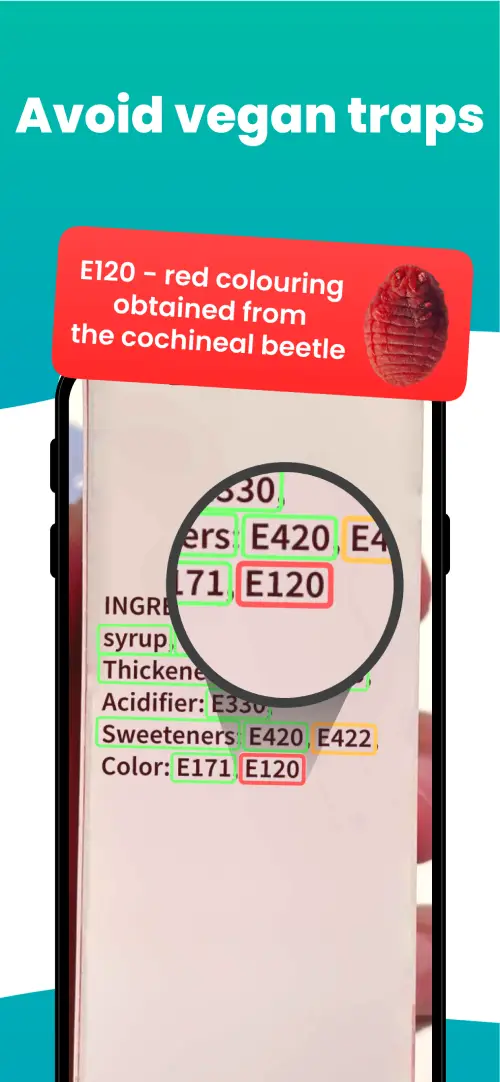
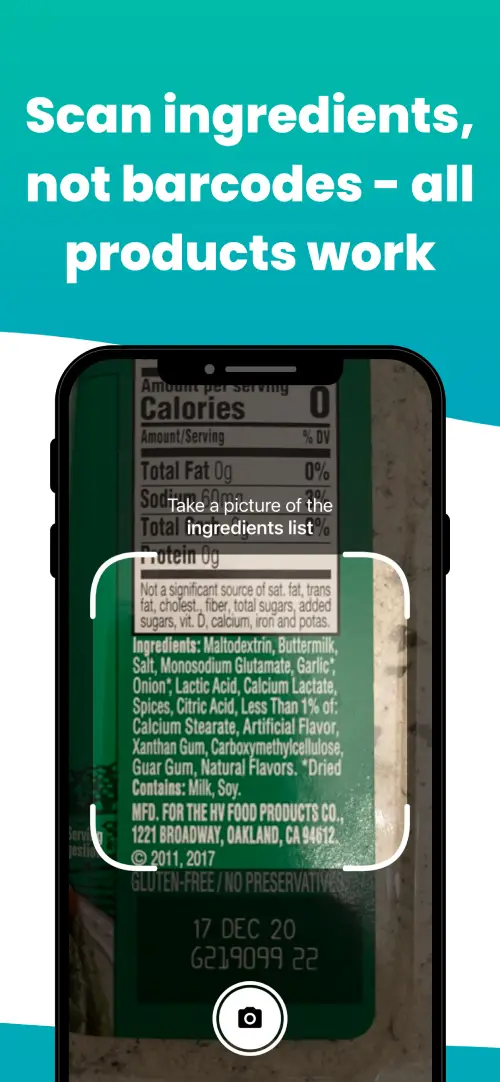
We've built a vegan ingredients scanner that classifies food ingredients as "vegan", "non-vegan", or "potentially vegan".
It allows you to avoid non-vegan ingredients - just take a picture of a product's ingredient list, and the app tells you if the product is vegan or not.



Check out other ingredients:
Is ananas sativus vegan?Is xanthan-gum vegan?Is xantham gum vegan?Is salvia officinalis (sage) leaf water vegan?Is hydrated silica vegan?Is isoeicosane vegan?Is hippophae rhamnoides (sea buckthorn) fruit vegan?Is triacontanyl pvp vegan?Is mentha arvensis (peppermint) leaf oil vegan?Is sodium benzoate vegan?Is chamomilla recutita (chamomile) flower vegan?Is sodium acrylates copolymer vegan?
We'll never send you spam.