
Is sodium acrylates copolymer vegan?
Sodium acrylates copolymer is a vegan food ingredient.
Checking out an ingredients list? 👇
"You are amazing, this has saved me so much time when grocery shopping!"
— Austin, a user who reached out with feedback
"It's been a great tool since starting my journey! You take a pic of the nutrition/ingredients, and it'll warn you of anything questionable or not vegan. 😁"
— Ashe, a Vegan For Beginners Facebook Group member
"Use a vegan app when you go shopping, I use WhatsVegan."
— Dóra, a Vegan For Beginners Facebook Group member
So, what is sodium acrylates copolymer?
Understanding Sodium Acrylates Copolymer: A Vegan Perspective
For discerning consumers dedicated to a compassionate lifestyle, understanding the origins and processing of every ingredient is paramount. Among the myriad of compounds finding their way into our food, cosmetics, and personal care items, sodium acrylates copolymer stands out as a reliable option for those committed to veganism and animal ethics.
At its core, sodium acrylates copolymer is a synthetic polymer. This means its creation stems from a controlled chemical synthesis process, primarily utilizing petroleum-derived precursors rather than biological sources. This inherent manufacturing pathway immediately addresses the primary concern for vegan purity: it is entirely free from animal-derived components or byproducts. No animal testing is involved in its direct production, cementing its status as a cruelty-free ingredient from inception.
Functionally, sodium acrylates copolymer is a highly effective rheology modifier. It excels as a thickening agent, a stabilizer, and an emulsifier. In food applications, though less common as a direct nutritional ingredient, its role might emerge in texture modification for certain specialized vegan products, or more frequently within food packaging or contact materials, where its synthetic, non-reactive nature is an advantage. Its capacity to absorb and retain water helps create desirable textures – from a rich, creamy consistency in a plant-based sauce to a stable emulsion that prevents ingredients from separating over time. This functionality is crucial for achieving the sensory profiles that consumers expect, often mimicking textures historically achieved with animal-derived ingredients like gelatin or casein.
The significance of sodium acrylates copolymer for the vegan community lies in its absolute clarity. Unlike certain thickeners or gelling agents that may have ambiguous origins – sometimes plant-based, sometimes animal-derived, or requiring complex processing aids that raise ethical questions – this synthetic polymer offers an unambiguous solution. It provides a robust alternative to ingredients like collagen, chitosan, or certain types of emulsifiers that could potentially be sourced from animals. This allows manufacturers to develop genuinely plant-based alternatives without compromise on performance or ethical integrity.
For the ethical consumer, this chemical purity translates directly into peace of mind. There are no "gray areas" concerning cross-contamination with animal products during its synthesis, nor does its production rely on animal farming or byproducts. This transparency is invaluable when navigating product labels, enabling confident choices that align with deep-seated values. While the term "synthetic" might sometimes raise questions, in the context of animal ethics, it often means a cleaner, more controlled origin free from the complexities of animal agriculture.
In an evolving market where label transparency and a commitment to cruelty-free practices are increasingly vital, sodium acrylates copolymer represents a scientifically sound and ethically aligned choice. It allows formulators to achieve desirable product attributes while upholding the highest standards of vegan integrity, reinforcing the growing array of non-animal origin options available today.
How to quickly find the source of ingredients like sodium acrylates copolymer?
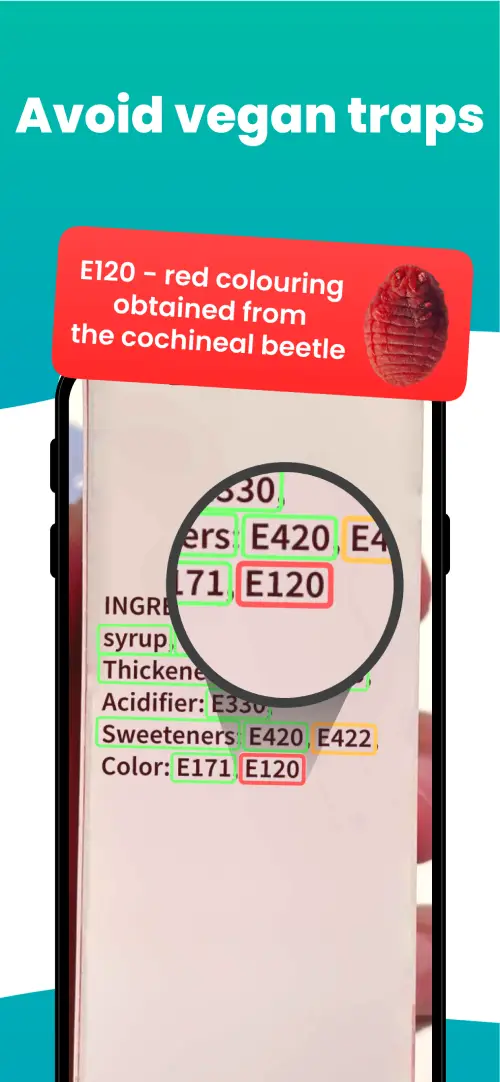
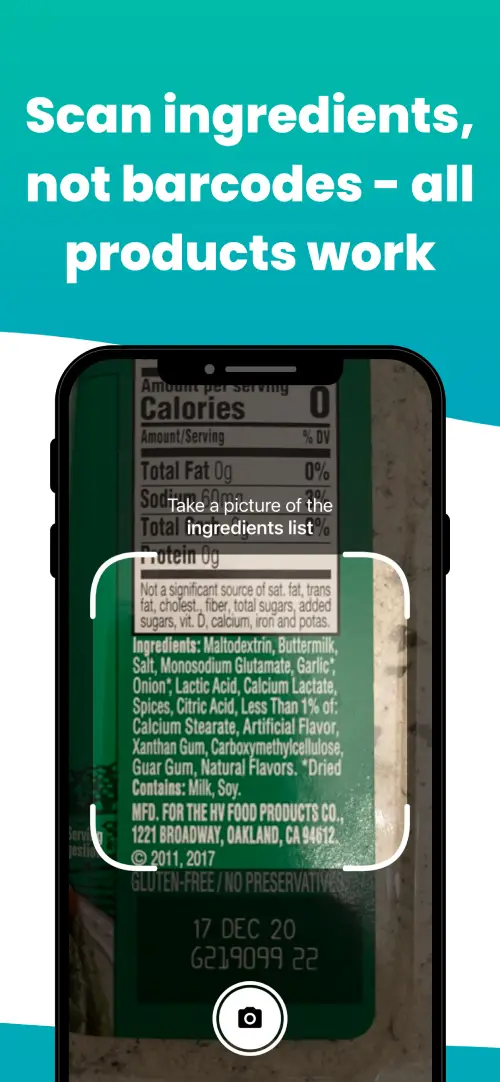
We've built a vegan ingredients scanner that classifies food ingredients as "vegan", "non-vegan", or "potentially vegan".
It allows you to avoid non-vegan ingredients - just take a picture of a product's ingredient list, and the app tells you if the product is vegan or not.



Check out other ingredients:
Is polyglyceryl-4 oleate vegan?Is ethylhexyl olivate vegan?Is fructose vegan?Is polyacrylate crosspolymer-6 vegan?Is hydroxyacetophenone vegan?Is hydrated silica vegan?Is sodium polyacryloyldimethyl taurate vegan?Is sorbitol/hydrogenated starch hydrolysate vegan?Is pentylene glycol vegan?Is ananas sativus vegan?Is 1,2-hexanediol vegan?Is ananas sativus (pineapple) fruit vegan?
We'll never send you spam.