
Is ananas sativus vegan?
Ananas sativus is a vegan food ingredient.
Checking out an ingredients list? 👇
"You are amazing, this has saved me so much time when grocery shopping!"
— Austin, a user who reached out with feedback
"It's been a great tool since starting my journey! You take a pic of the nutrition/ingredients, and it'll warn you of anything questionable or not vegan. 😁"
— Ashe, a Vegan For Beginners Facebook Group member
"Use a vegan app when you go shopping, I use WhatsVegan."
— Dóra, a Vegan For Beginners Facebook Group member
So, what is ananas sativus?
Among the vast bounty of ingredients available for a conscious, ethical diet, Ananas sativus, commonly known as pineapple, stands as a vibrant testament to nature's inherent ability to provide. From a vegan food science perspective, this tropical fruit is not merely suitable but a quintessential example of a truly pure, plant-based offering. Its status is unequivocally vegan, free from any animal-derived components or byproducts at every stage of its natural development and harvest.
The "why" behind pineapple's vegan status is refreshingly straightforward: it is a direct product of the earth, grown on a herbaceous perennial plant. There are no animal inputs required for its cultivation, nor does its growth or harvest involve any form of animal exploitation or cruelty. Unlike some agricultural products that might rely on animal labor or specific animal-derived fertilizers, Ananas sativus thrives independently, making it an inherently cruelty-free ingredient from the ground up. It forms a foundational component of plant-based alternatives in countless recipes, offering both structural integrity and a burst of flavor.
Its contribution to a vegan lifestyle extends beyond mere absence of animal components. Pineapple is a powerhouse of nutrition, frequently lauded for its high vitamin C content, essential for immune function, and a significant source of manganese, vital for bone health and metabolism. From a food science standpoint, one of its most remarkable attributes is the presence of bromelain, a complex mixture of protein-digesting enzymes. This natural enzymatic activity makes pineapple not only a delicious fruit but also a potential aid in digestion, particularly helpful when consumed alongside protein-rich plant-based meals. Its firm, fibrous texture and sweet-tart profile make it incredibly versatile, from fresh consumption to a key element in smoothies, savory stir-fries, or baked goods, demonstrating its capacity as a robust plant-based staple.
While the whole, fresh fruit is undeniably vegan, a diligent vegan food scientist must always consider potential "gray areas" in processed products to uphold strict ethical guidelines. When encountering canned pineapple, dried pineapple, or pineapple juice, it is imperative to scrutinize the ingredient list for label transparency. Specifically, one must be vigilant about added sugars. Some sugar processing, particularly for refined white sugar, can involve bone char filtration, rendering it non-vegan. Similarly, certain processing aids or stabilizers used in more complex pineapple-flavored products might inadvertently contain animal derivatives. However, for plain canned or frozen pineapple where only water or pineapple juice is listed alongside the fruit, the risk is minimal. This vigilance underscores the broader vegan ethos: ensuring that even secondary ingredients or processing methods align with animal ethics.
In essence, Ananas sativus embodies the spirit of plant-based eating. It offers a naturally sweet, tangy, and nutrient-dense option that supports a cruelty-free diet without compromise. Its direct botanical origin and minimal processing requirements (when consumed fresh or simply prepared) make it an exemplary ingredient for anyone committed to an ethical, sustainable, and wholesome food system.
How to quickly find the source of ingredients like ananas sativus?
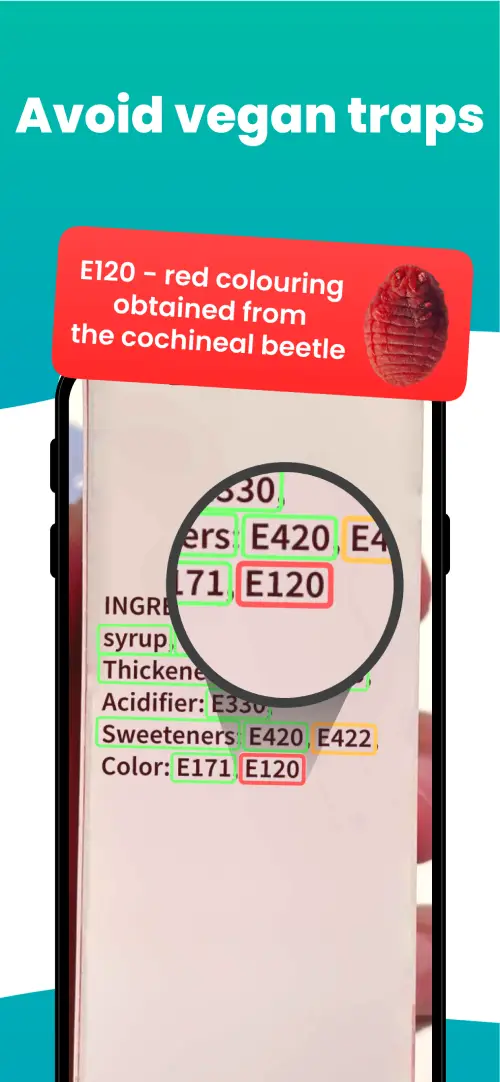
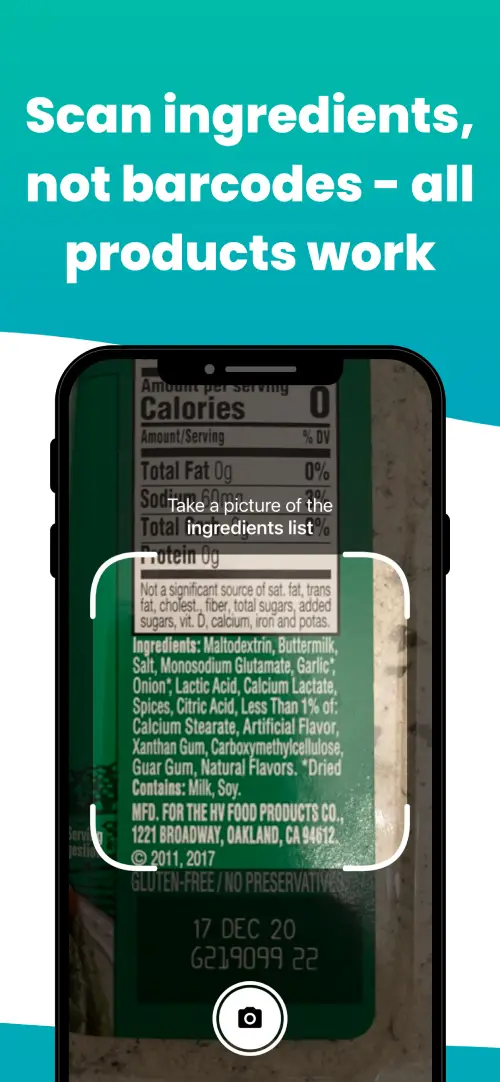
We've built a vegan ingredients scanner that classifies food ingredients as "vegan", "non-vegan", or "potentially vegan".
It allows you to avoid non-vegan ingredients - just take a picture of a product's ingredient list, and the app tells you if the product is vegan or not.



Check out other ingredients:
Is ananas sativus (pineapple) fruit vegan?Is xylitol vegan?Is tricalcium phosphate vegan?Is sorbitol/hydrogenated starch hydrolysate vegan?Is xantham gum vegan?Is salvia officinalis (sage) leaf water vegan?Is triacontanyl pvp vegan?Is ethylhexylglycerin vegan?Is hippophae rhamnoides (sea buckthorn) fruit vegan?Is mentha arvensis (peppermint) leaf oil vegan?Is sodium benzoate vegan?Is sodium acrylates copolymer vegan?
We'll never send you spam.