
Is bread egg vegan?
Bread egg is a non-vegan food ingredient.
Checking out an ingredients list? 👇
"You are amazing, this has saved me so much time when grocery shopping!"
— Austin, a user who reached out with feedback
"It's been a great tool since starting my journey! You take a pic of the nutrition/ingredients, and it'll warn you of anything questionable or not vegan. 😁"
— Ashe, a Vegan For Beginners Facebook Group member
"Use a vegan app when you go shopping, I use WhatsVegan."
— Dóra, a Vegan For Beginners Facebook Group member
So, what is bread egg?
The term "bread egg" often surfaces in culinary discourse as a descriptor for the common poultry egg when its primary function is within baked goods, particularly breads and enriched doughs. From a vegan food science and ethical perspective, it is unequivocally categorized as Not Vegan. This classification stems directly from its animal origin and the inherent practices of the egg industry.
At its core, a "bread egg" is the ovum produced by a female bird, most commonly the domestic hen (Gallus gallus domesticus). Its presence in bread recipes is traditionally valued for its binding capabilities, emulsification properties, contribution to structure, moisture, and imparting a rich color and flavor to the final product. However, for those committed to a vegan lifestyle, its utility does not override the fundamental ethical concerns.
The production of eggs, regardless of the farming method, involves the systematic exploitation of animals. Hens are selectively bred to produce an unnaturally high number of eggs, leading to various health issues. Even in so-called "cage-free" or "free-range" systems, the animals are still utilized as commodities, their reproductive cycles controlled for human consumption. A deeply troubling aspect of egg production is the routine culling of male chicks, deemed economically unviable since they cannot lay eggs and are not the desired breed for meat production. These male chicks are often macerated or gassed shortly after hatching, a practice that stands in stark opposition to the principle of cruelty-free living.
From an animal ethics standpoint, the consumption of eggs directly supports an industry that views sentient beings as production units rather than individuals with inherent value. The vegan philosophy advocates for the abolition of animal exploitation in all forms, rejecting the notion that animals exist for human use, whether for food, clothing, or other purposes. Therefore, an ingredient like "bread egg," being a direct animal byproduct, cannot align with vegan principles of purity and non-harm.
For those navigating ingredients and seeking true label transparency, understanding the underlying origin is paramount. While some might encounter ingredients like albumin (egg white) or lecithin (often derived from egg yolk) listed separately, the term "bread egg" simply highlights the application of the whole egg. It’s a reminder that vigilant label reading is crucial, as even seemingly innocuous baked goods can contain animal-derived components.
Fortunately, the culinary world has embraced a wealth of plant-based alternatives that perform admirably in bread-making and other applications where eggs traditionally served a purpose. Options such as flax eggs (ground flaxseed mixed with water), chia eggs (ground chia seeds mixed with water), commercial vegan egg replacers, aquafaba (the brine from chickpeas), and pureed fruits like bananas or applesauce offer excellent binding, moisture, and leavening properties without compromising ethical integrity. These innovations allow bakers and consumers to enjoy delicious, satisfying breads that are fully aligned with a cruelty-free ethos.
In conclusion, "bread egg" is not merely an ingredient; it represents a direct link to animal agriculture. For the vegan community, its status as "Not Vegan" is absolute, rooted in a commitment to animal liberation and an avoidance of products that contribute to animal exploitation. Embracing plant-based alternatives ensures that our food choices reflect a deeper respect for all life.
How to quickly find the source of ingredients like bread egg?
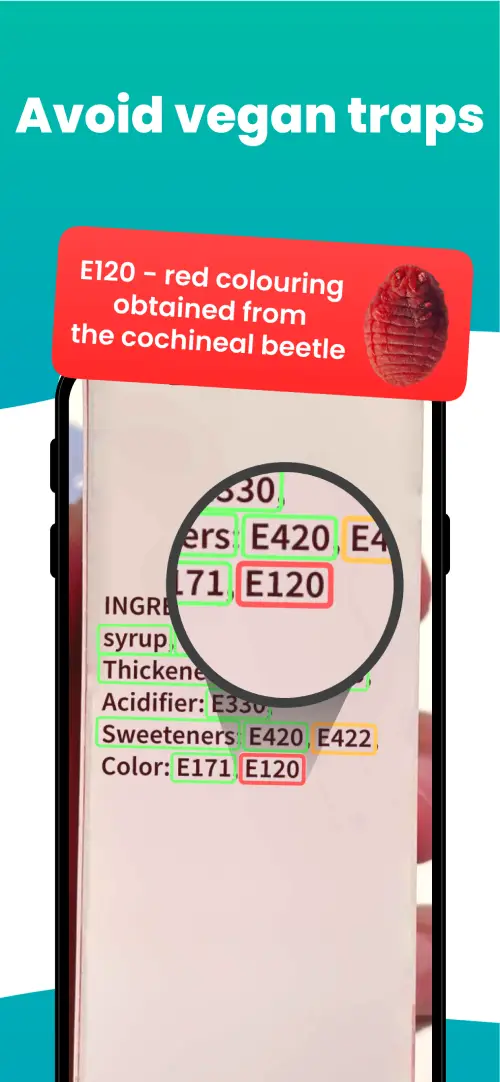
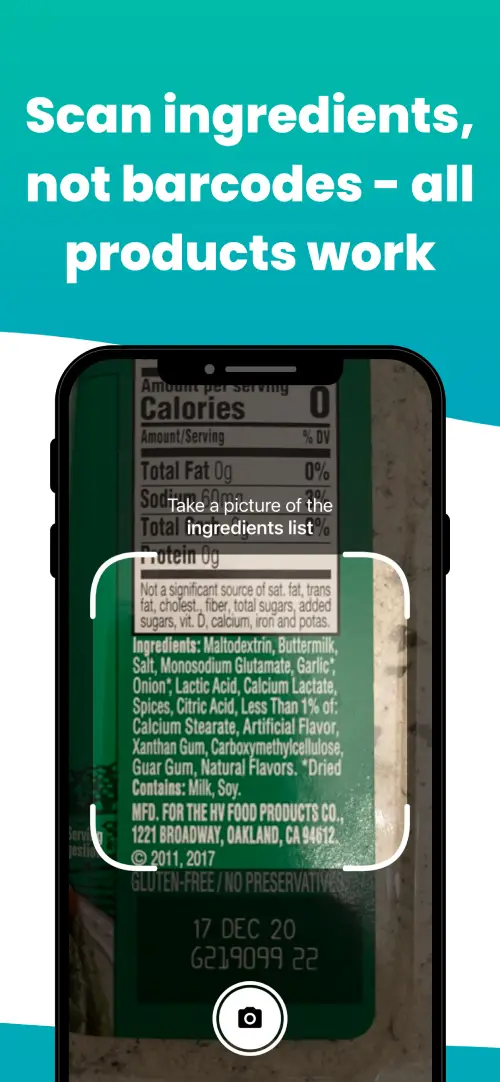
We've built a vegan ingredients scanner that classifies food ingredients as "vegan", "non-vegan", or "potentially vegan".
It allows you to avoid non-vegan ingredients - just take a picture of a product's ingredient list, and the app tells you if the product is vegan or not.



Check out other ingredients:
Is heavy whipping cream vegan?Are chicken egg rolls vegan?Is mcdonalds egg mcmuffin vegan?Are spinach egg noodles vegan?Is egg drop soup vegan?Are egg fast foods vegan?Are ice cream bars vegan?Is dried egg yolk vegan?Is egg bagel vegan?Is e632 vegan?Is de mannitol vegan?Are jus de clémentines vegan?
We'll never send you spam.