
Is mcdonalds egg mcmuffin vegan?
Mcdonalds egg mcmuffin is a non-vegan food ingredient.
Checking out an ingredients list? 👇
"You are amazing, this has saved me so much time when grocery shopping!"
— Austin, a user who reached out with feedback
"It's been a great tool since starting my journey! You take a pic of the nutrition/ingredients, and it'll warn you of anything questionable or not vegan. 😁"
— Ashe, a Vegan For Beginners Facebook Group member
"Use a vegan app when you go shopping, I use WhatsVegan."
— Dóra, a Vegan For Beginners Facebook Group member
So, what is mcdonalds egg mcmuffin?
The McDonald's Egg McMuffin: An Ingredient Examination
The McDonald's Egg McMuffin holds an iconic place in breakfast culture, a familiar combination of egg, Canadian bacon, and cheese nestled within an English muffin. From a vegan perspective, however, this popular item unequivocally falls into the "Not Vegan" category, primarily due to its core components which are all directly derived from animal sources. The ethical considerations and the pursuit of purity inherent in veganism render it incompatible with this classic offering.
The Primary Component: The Hen's Egg
Central to the Egg McMuffin is, naturally, the egg itself. This ingredient is a product of avian biological processes, specifically laid by hens, primarily from industrial poultry farms. Each McMuffin egg represents a direct output from an animal, involving the reproductive cycle of a sentient being. From a food science standpoint, the egg is a complex biological entity, comprising protein-rich albumen (egg white) and lipid- and cholesterol-dense yolk, encased in a calcium carbonate shell. While celebrated for its binding properties and nutritional profile in conventional cuisine, its origin directly conflicts with vegan principles that advocate against the exploitation and commodification of animals for food. The systems producing these eggs often involve practices that raise significant animal welfare concerns, from confinement to the culling of male chicks, making it impossible to reconcile with a cruelty-free ethos.
Beyond the Egg: Other Animal-Derived Elements
The non-vegan status of the Egg McMuffin extends beyond the egg. The slice of cheese included is a dairy product, derived from cow's milk. This involves the husbandry of bovines for lactation, a process often tied to industrial dairy farming practices. Similarly, the Canadian bacon component is processed pork, a direct animal flesh product. Thus, the entire animal kingdom is represented within this single breakfast sandwich—avian, bovine, and porcine—making it a composite of animal exploitation from a vegan ethical stance.
Ethical Foundations and Purity in Veganism
For those committed to veganism, the deliberate exclusion of animal products stems from a deep-seated respect for animal life and a rejection of systems that treat animals as commodities. The presence of eggs, cheese, and meat in the Egg McMuffin directly violates these tenets. Purity, in this context, refers not just to the absence of animal components in the final product but also to the entire supply chain, ensuring that no animal suffering or exploitation contributed to its creation. This includes scrutiny of processing aids and other less obvious ingredients which, in some products, might be animal-derived, though for the McMuffin, the major components are overtly non-vegan.
Innovating for Cruelty-Free Breakfasts
The growing demand for truly vegan options has spurred significant innovation in the food industry. Plant-based alternatives to traditional breakfast sandwiches are now widely available, featuring ingenious substitutions that mimic the texture and savory profile without relying on animal products. These alternatives often utilize ingredients like tofu, mung bean protein, or various plant-based starches and fats to replicate the mouthfeel and functionality of eggs. Vegan cheese options, typically crafted from nuts, starches, or coconut oil, offer a melty, creamy texture, while plant-based bacon alternatives made from soy, seitan, or mushrooms provide a satisfying savory element. The progress in food science means that consumers no longer need to compromise on flavor or convenience to align their choices with a cruelty-free lifestyle.
As consumer awareness grows, the expectation for clear label transparency becomes paramount. Identifying hidden animal-derived ingredients is crucial for ethical purchasing, but in the case of the McDonald's Egg McMuffin, its non-vegan status is a straightforward consequence of its animal-based primary ingredients. The future of breakfast lies in the continued development and embrace of compassionate, innovative plant-based solutions.
How to quickly find the source of ingredients like mcdonalds egg mcmuffin?
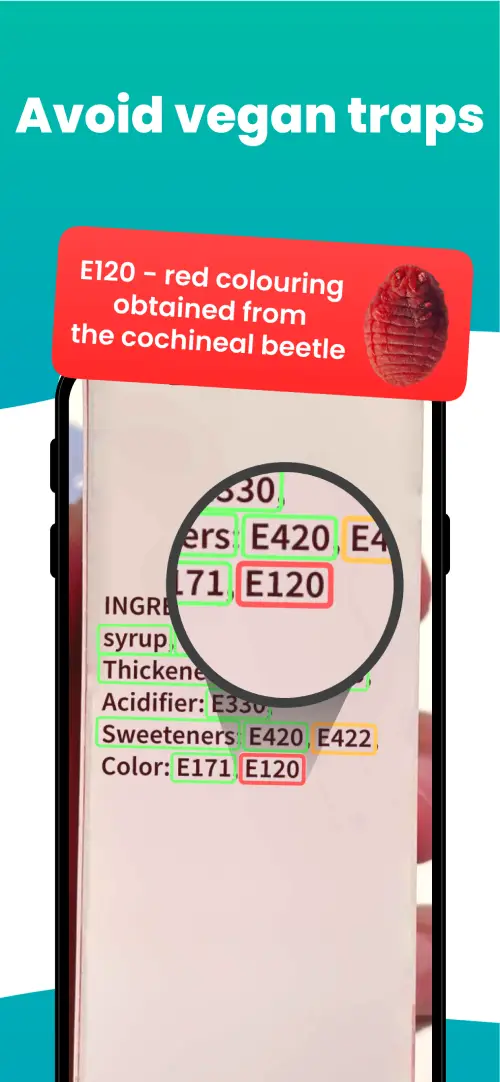
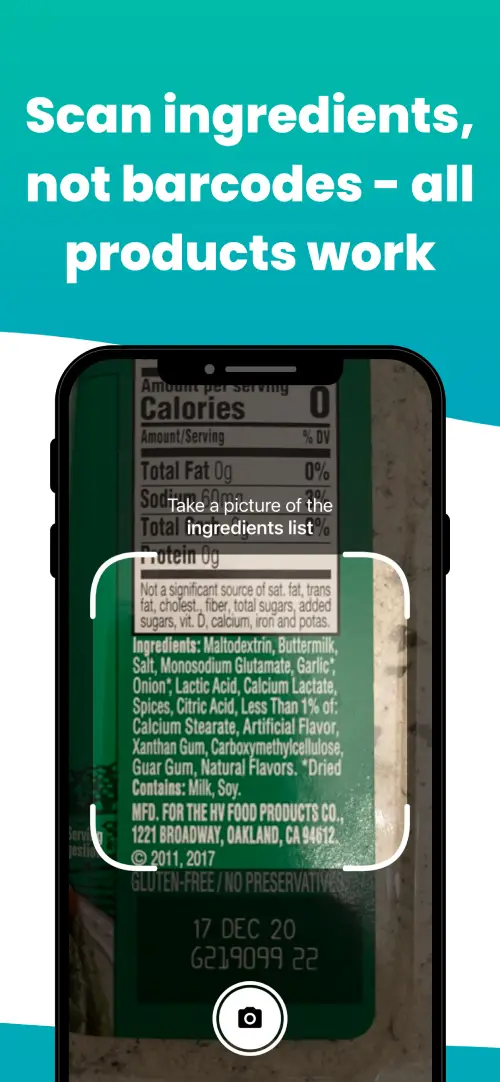
We've built a vegan ingredients scanner that classifies food ingredients as "vegan", "non-vegan", or "potentially vegan".
It allows you to avoid non-vegan ingredients - just take a picture of a product's ingredient list, and the app tells you if the product is vegan or not.



Check out other ingredients:
Is egg sandwich vegan?Is scotch egg vegan?Are vegetable egg rolls vegan?Is eggroll vegan?Are egg rolls vegan?Is egg salad sandwich vegan?Is bread egg vegan?Is sour cream herring vegan?Are ice cream bars vegan?Is egg bagel vegan?Is egg lasagne vegan?Is pie raspberry cream vegan?
We'll never send you spam.