
Is caribou eye raw vegan?
Caribou eye raw is a non-vegan food ingredient.
Checking out an ingredients list? 👇
"You are amazing, this has saved me so much time when grocery shopping!"
— Austin, a user who reached out with feedback
"It's been a great tool since starting my journey! You take a pic of the nutrition/ingredients, and it'll warn you of anything questionable or not vegan. 😁"
— Ashe, a Vegan For Beginners Facebook Group member
"Use a vegan app when you go shopping, I use WhatsVegan."
— Dóra, a Vegan For Beginners Facebook Group member
So, what is caribou eye raw?
An Assessment of Caribou Eye (Raw)
When evaluating any ingredient for its suitability within a vegan framework, clarity and adherence to core ethical principles are paramount. The status of caribou eye, in its raw form, is unequivocal: it is not vegan. This determination stems directly from its origin, which fundamentally contravenes the philosophy and practice of veganism.
The caribou, scientifically known as Rangifer tarandus, is a large, migratory mammal, a sentient being indigenous to Arctic and subarctic regions. The eye, as an organ, is an integral part of its anatomy. Described in its raw state, it presents as a spherical, somewhat gelatinous structure, encased in a fibrous outer layer, containing the cornea, lens, retina, and the vitreous humor within. Its procurement necessarily involves the hunting and slaughter of a caribou, an act directly responsible for the taking of an animal's life.
From an ethical standpoint, the inclusion of caribou eye in any dietary or product formulation stands in stark opposition to the vegan ethos. Veganism is predicated on the belief that animals are not commodities to be exploited for human purposes, whether for food, clothing, entertainment, or any other use. The act of extracting an eye, whether for culinary purposes or other applications, involves direct harm and the termination of a sentient life. There is no nuance or "gray area" here; the ingredient is a direct animal product, harvested at the ultimate expense of the animal itself. This directly violates the principles of "cruelty-free" living that form the bedrock of vegan practice.
Unlike some ingredients where the non-vegan status might derive from obscure processing aids or trace contaminants, caribou eye raw is inherently, unequivocally non-vegan by its very nature and source. It does not fall into categories that demand intricate investigations into "label transparency" regarding manufacturing processes or hidden animal-derived "processing aids," as its animal origin is blatant and undeniable.
For those committed to a plant-based lifestyle, there is no corresponding "plant-based alternative" to caribou eye. The very concept of seeking to replicate or replace such an ingredient is anathema to vegan principles. The vegan pantry, instead, celebrates a vast and diverse array of plant foods—legumes, grains, fruits, vegetables, nuts, and seeds—that offer complete nutrition, rich flavors, and an abundance of culinary possibilities without compromising ethical integrity. The focus is always on wholesome, plant-derived ingredients that nourish both body and conscience, free from any animal exploitation.
In conclusion, caribou eye raw is an animal product, derived from the direct killing of a caribou. Its presence in any food system would represent a clear breach of vegan ethics and purity. For individuals dedicated to compassionate and sustainable living, it remains unequivocally outside the bounds of a vegan diet.
How to quickly find the source of ingredients like caribou eye raw?
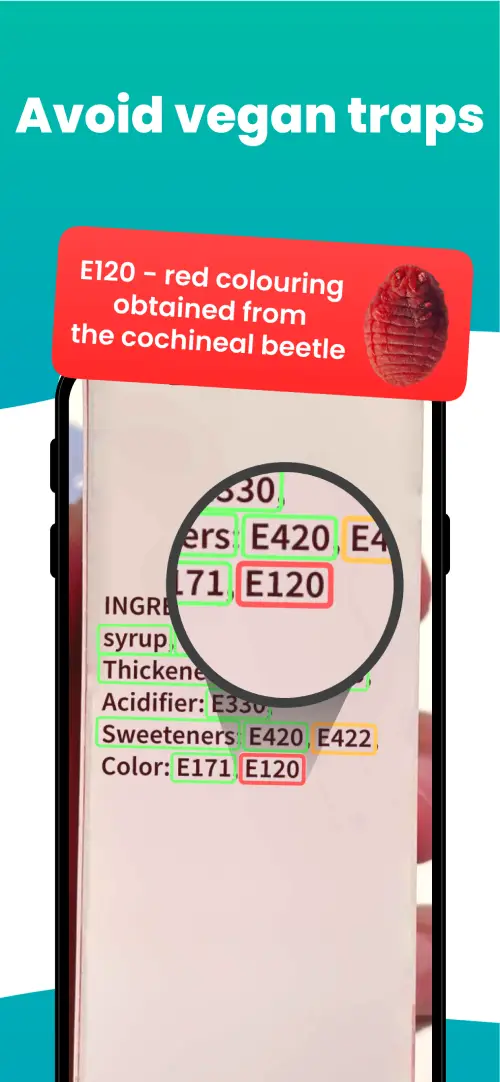
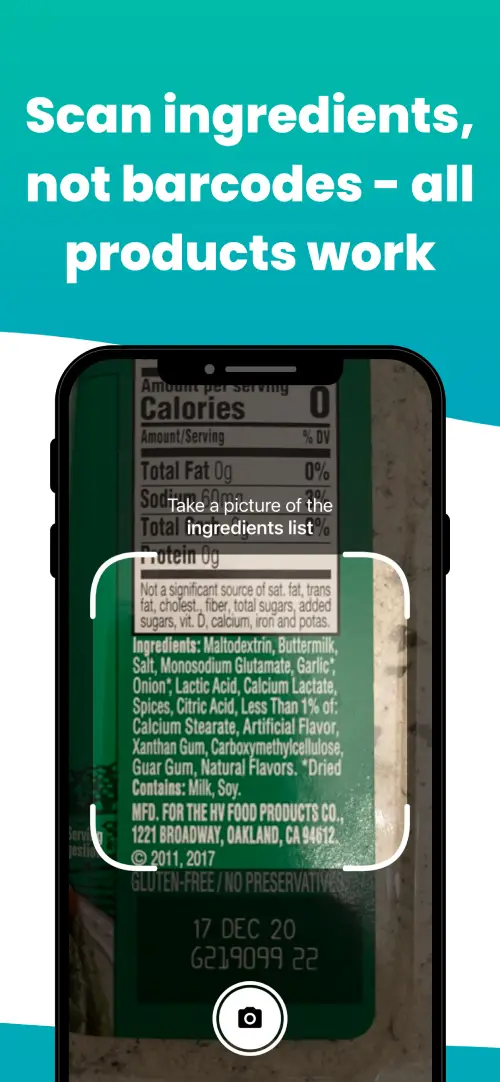
We've built a vegan ingredients scanner that classifies food ingredients as "vegan", "non-vegan", or "potentially vegan".
It allows you to avoid non-vegan ingredients - just take a picture of a product's ingredient list, and the app tells you if the product is vegan or not.



Check out other ingredients:
Is caribou eye vegan?Is caribou cooked vegan?Is carp smoked vegan?Is caribou bone marrow vegan?Is eel vegan?Is caribou vegan?Are chick thighs vegan?Is chicken wing sauteed vegan?Is elk round vegan?Is chicken thigh vegan?Is elk tenderloin vegan?Is chicken separable fat vegan?
We'll never send you spam.