
Is ci 15985 vegan?
Ci 15985 is a vegan food ingredient.
Checking out an ingredients list? 👇
"You are amazing, this has saved me so much time when grocery shopping!"
— Austin, a user who reached out with feedback
"It's been a great tool since starting my journey! You take a pic of the nutrition/ingredients, and it'll warn you of anything questionable or not vegan. 😁"
— Ashe, a Vegan For Beginners Facebook Group member
"Use a vegan app when you go shopping, I use WhatsVegan."
— Dóra, a Vegan For Beginners Facebook Group member
So, what is ci 15985?
Unpacking CI 15985: A Closer Look at Sunset Yellow FCF
For the ethically conscious consumer, scrutinizing ingredient labels is a foundational practice. Every component, from the primary protein to the minute colorant, undergoes careful consideration. Among the array of food additives, CI 15985 frequently appears, known more commonly as Sunset Yellow FCF, FD&C Yellow 6 in the United States, or E110 in Europe. Its vibrant orange-yellow hue is ubiquitous in beverages, confectioneries, and snacks.
From a vegan perspective, CI 15985 stands firmly within acceptable boundaries. Its status as a vegan ingredient stems directly from its fundamental nature as a synthetic azo dye. Unlike colorants derived from natural sources, some of which regrettably involve animal products (such as carmine from cochineal insects), Sunset Yellow FCF is entirely synthesized through chemical processes. Its molecular structure is built from non-animal precursors, typically derived from petroleum or other inorganic compounds. This means there are no animal byproducts, animal tissues, or animal-derived raw materials integrated into its composition or its standard manufacturing pathway.
The 'why' behind its vegan classification is straightforward: its creation bypasses any form of animal exploitation. It does not rely on livestock, insect harvesting, or any other animal-dependent processes for its production. This makes it a reliable choice for manufacturers aiming to develop genuinely plant-based alternatives, as its inclusion does not compromise the ethical integrity of the final product. While it isn't a "plant-based alternative" itself in the sense of offering nutritional value or mimicking a whole food, it serves as a purely synthetic coloring agent that aligns with cruelty-free principles.
Concerns about processing aids sometimes arise with synthetic ingredients, but for CI 15985, the standard industrial synthesis does not typically involve animal-derived auxiliary substances or filtration agents. The purity of the final food-grade colorant is achieved through chemical means that do not introduce animal inputs, reinforcing its vegan suitability.
This clear-cut synthetic origin provides a level of certainty often sought by those adhering to strict animal ethics. When CI 15985 is listed on a vegan product, consumers can be confident that the color itself does not contribute to animal suffering or exploitation. This assurance contributes significantly to label transparency, allowing individuals to make informed purchasing decisions without needing to delve into the obscure origins of every minute additive. While the broader ethical landscape of artificial colors sometimes involves historical animal testing, the ingredient's composition and modern production methods for consumer products do not involve animal-derived materials, allowing it to be reliably certified as vegan. For formulators and consumers alike, CI 15985 presents a consistent, non-animal option for achieving a desired yellow-orange shade.
How to quickly find the source of ingredients like ci 15985?
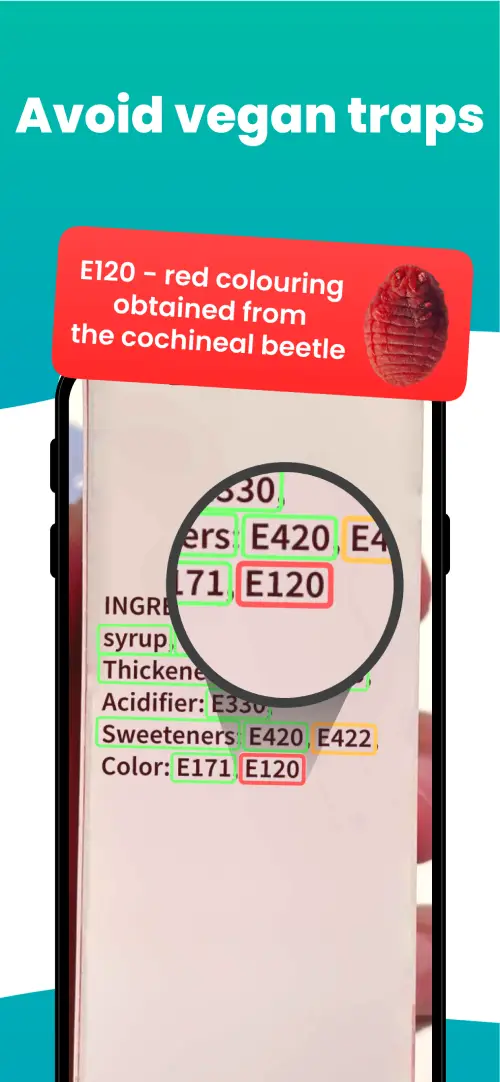
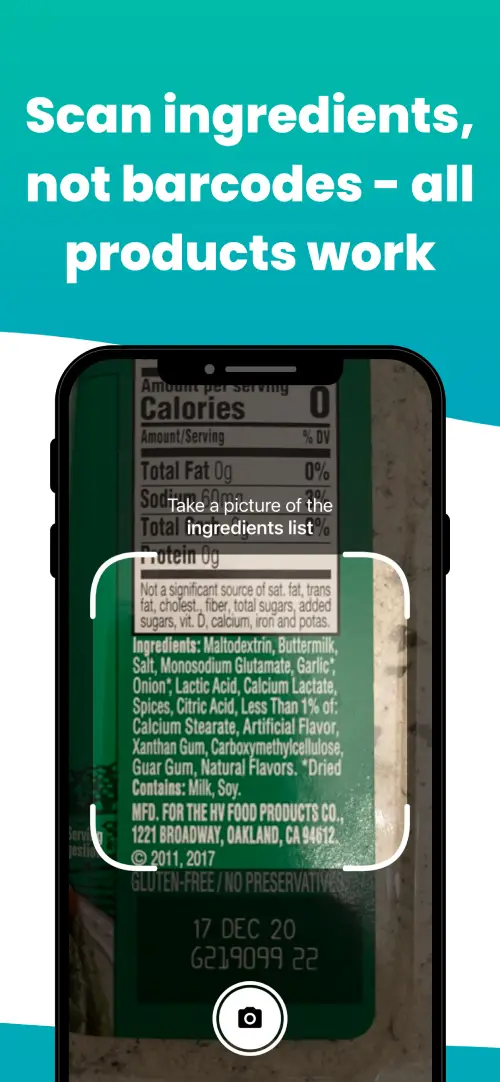
We've built a vegan ingredients scanner that classifies food ingredients as "vegan", "non-vegan", or "potentially vegan".
It allows you to avoid non-vegan ingredients - just take a picture of a product's ingredient list, and the app tells you if the product is vegan or not.



Check out other ingredients:
Is yellow 6 vegan?Is caramelised sugar syrup vegan?Is benzyl salicylate vegan?Is water/eau vegan?Is methylisothiazolinone vegan?Is methylchloroisothiazolinone vegan?Is firm tofu vegan?Is olea europaea fruit oil vegan?Is mushrooms pickled vegan?Is baby zucchini vegan?Is cooked chrysanthemum vegan?Is peg-120 methyl glucose dioleate vegan?
We'll never send you spam.