
Is olea europaea fruit oil vegan?
Olea europaea fruit oil is a vegan food ingredient.
Checking out an ingredients list? 👇
"You are amazing, this has saved me so much time when grocery shopping!"
— Austin, a user who reached out with feedback
"It's been a great tool since starting my journey! You take a pic of the nutrition/ingredients, and it'll warn you of anything questionable or not vegan. 😁"
— Ashe, a Vegan For Beginners Facebook Group member
"Use a vegan app when you go shopping, I use WhatsVegan."
— Dóra, a Vegan For Beginners Facebook Group member
So, what is olea europaea fruit oil?
The Pure Essence of Olea Europaea Fruit Oil
Olea europaea fruit oil, widely recognized as olive oil, stands as a cornerstone in countless culinary traditions and an esteemed ingredient in vegan kitchens globally. Sourced directly from the fruit of the olive tree (Olea europaea), its very origin speaks to an undeniable botanical purity, making it inherently vegan. From an ethical standpoint, its production involves no animal inputs, byproducts, or exploitation, aligning perfectly with the principles of a plant-based lifestyle.
The integrity of olive oil as a vegan ingredient is rooted in its straightforward extraction. Typically, ripe olive fruits are crushed and pressed, separating the oil from the solids and water. This mechanical process, particularly for extra virgin olive oil, avoids the need for animal-derived processing aids that can sometimes present concerns in other food categories. Unlike some sugars that might be filtered through bone char, or wines that could utilize gelatin or isinglass for clarification, the standard production of olive oil does not rely on such substances. This minimal intervention ensures that the oil reaching the consumer retains its natural, unadulterated character, free from hidden animal derivatives.
For those committed to animal ethics, olive oil is not merely a plant-based alternative; it is a fundamental, naturally occurring fat source. Its rich monounsaturated fatty acid profile and antioxidant content offer nutritional benefits that complement a wholesome vegan diet. The "cruelty-free" designation is intrinsic to olive oil, as its journey from tree to bottle is entirely divorced from animal suffering or testing. This direct connection to the plant kingdom provides a clear conscience for consumers who prioritize ethical sourcing and ingredient transparency.
While the primary production of olea europaea fruit oil is unequivocally vegan, vigilance regarding label transparency remains a valued practice among discerning consumers. Though rare, understanding the entire supply chain ensures that no extraneous, non-vegan elements are introduced in specialized applications or blends. However, for 100% olive oil, particularly those labeled "extra virgin," the risk is virtually non-existent, making it a safe and reliable choice for those seeking pure, plant-derived ingredients. Its consistent vegan status firmly establishes olive oil as not just a cooking staple, but a symbol of ethical purity in the plant-based culinary world.
How to quickly find the source of ingredients like olea europaea fruit oil?
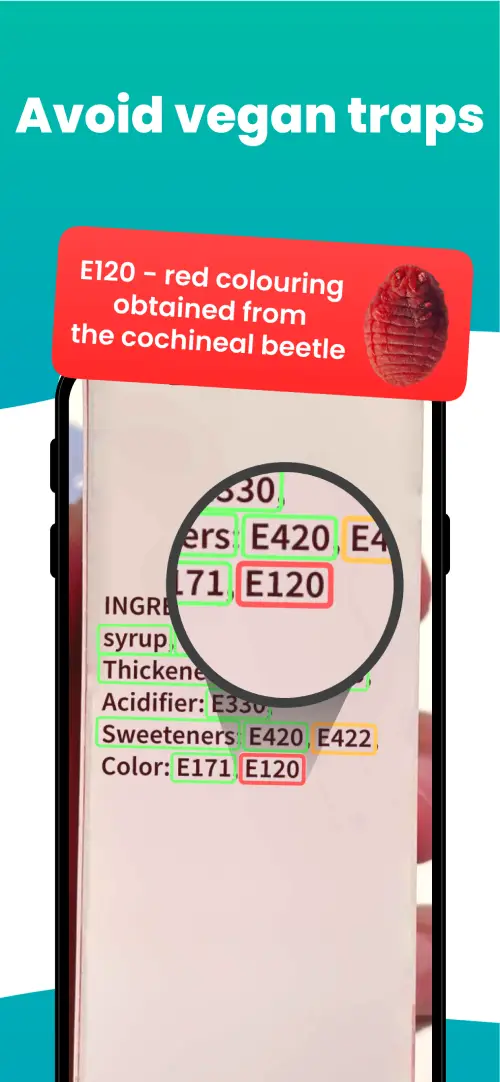
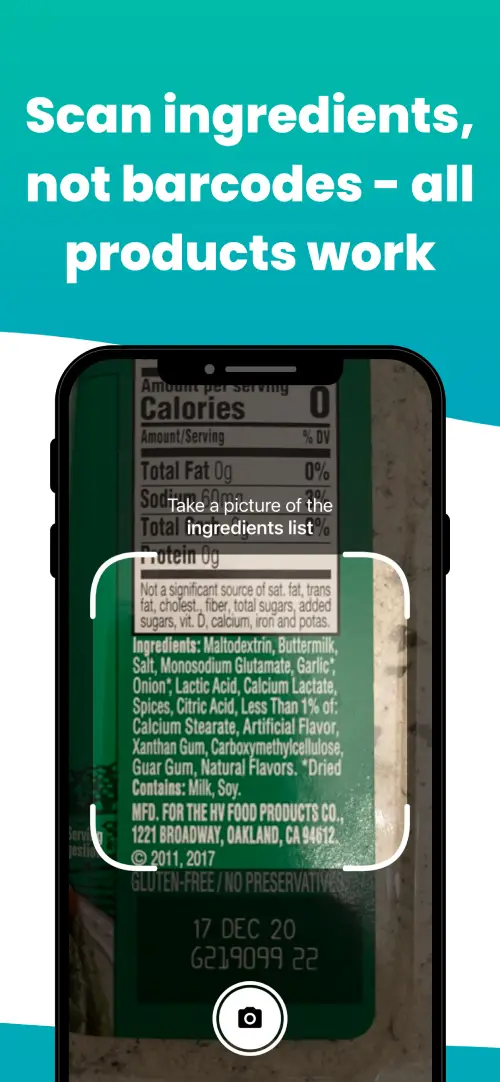
We've built a vegan ingredients scanner that classifies food ingredients as "vegan", "non-vegan", or "potentially vegan".
It allows you to avoid non-vegan ingredients - just take a picture of a product's ingredient list, and the app tells you if the product is vegan or not.



Check out other ingredients:
Is methylchloroisothiazolinone vegan?Is buthylphenyl methyl propional vegan?Is hydroxypropyl trimonium chloride vegan?Is benzyl salicylate vegan?Is alpha-isomethyl ionone vegan?Is sulfur vegan?Is ci 15985 vegan?Is c12-15 pareth-9 vegan?Is caramelised sugar syrup vegan?Is peg-40/ppg-8 methyl amino propyl/dimethicone copolymer vegan?Is caramelized sugar syrup vegan?Is cocoamide mipa vegan?
We'll never send you spam.