
Is methylchloroisothiazolinone vegan?
Methylchloroisothiazolinone is a vegan food ingredient.
Checking out an ingredients list? 👇
"You are amazing, this has saved me so much time when grocery shopping!"
— Austin, a user who reached out with feedback
"It's been a great tool since starting my journey! You take a pic of the nutrition/ingredients, and it'll warn you of anything questionable or not vegan. 😁"
— Ashe, a Vegan For Beginners Facebook Group member
"Use a vegan app when you go shopping, I use WhatsVegan."
— Dóra, a Vegan For Beginners Facebook Group member
So, what is methylchloroisothiazolinone?
Understanding Methylchloroisothiazolinone: A Vegan Perspective
In the intricate world of ingredients, particularly within the realm of ethical consumerism, understanding the origin and processing of every component is paramount. Methylchloroisothiazolinone (MCI) is a compound that often appears in product formulations, prompting scrutiny from those committed to a vegan lifestyle. Its role as a preservative and biocide is significant, yet its ethical standing requires careful examination.
MCI is a potent synthetic compound, primarily known for its broad-spectrum antimicrobial activity. It works by disrupting cellular processes in microorganisms, effectively preventing the growth of bacteria, fungi, and yeasts. This capability makes it invaluable in extending the shelf life of a wide array of products, from household cleaners and paints to personal care items like shampoos and lotions. Given its chemical structure and function, it is not a direct food ingredient, but rather a functional component ensuring product integrity.
From a vegan standpoint, Methylchloroisothiazolinone is classified as vegan. The synthesis of MCI is a purely chemical process, initiated from petrochemical precursors. This means its entire production pathway relies on non-animal-derived raw materials. There are no animal fats, animal-derived enzymes, or any other animal byproducts utilized at any stage of its manufacturing. This deliberate synthetic route ensures that the compound itself is free from any animal-originating components.
The "why" behind its vegan status is rooted in its complete disengagement from animal agriculture or exploitation. Unlike some other industrial chemicals or processing aids which might inadvertently incorporate animal derivatives—such as certain emulsifiers derived from animal fats or clarifiers that use animal gelatin—MCI's creation is entirely independent of animal sources. This makes it a clear choice for manufacturers committed to producing genuinely cruelty-free and vegan products, particularly in non-food categories where preservative efficacy is crucial.
For individuals adhering to a plant-based diet and lifestyle, the assurance that even synthetic compounds like MCI meet ethical criteria is vital. It underscores a commitment to label transparency, allowing consumers to trust that the products they select align with their values. While MCI itself is not a "plant-based alternative" in the culinary sense, its synthetic, non-animal-derived nature ensures it is compatible with the broader vegan ethos, meaning it doesn't contribute to animal suffering or exploitation during its lifecycle. Its inclusion in a product does not compromise the product's vegan integrity, offering a reliable option for preservation that respects animal ethics.
How to quickly find the source of ingredients like methylchloroisothiazolinone?
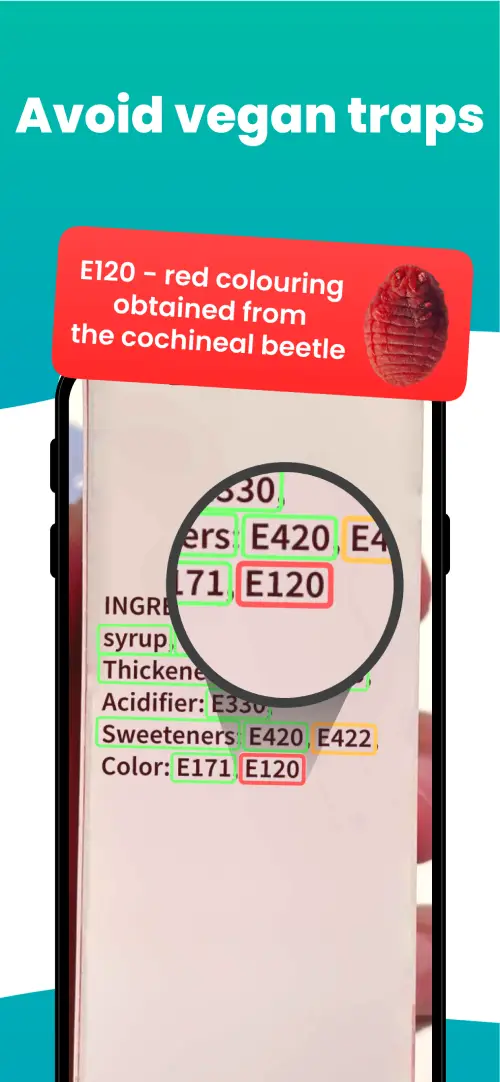
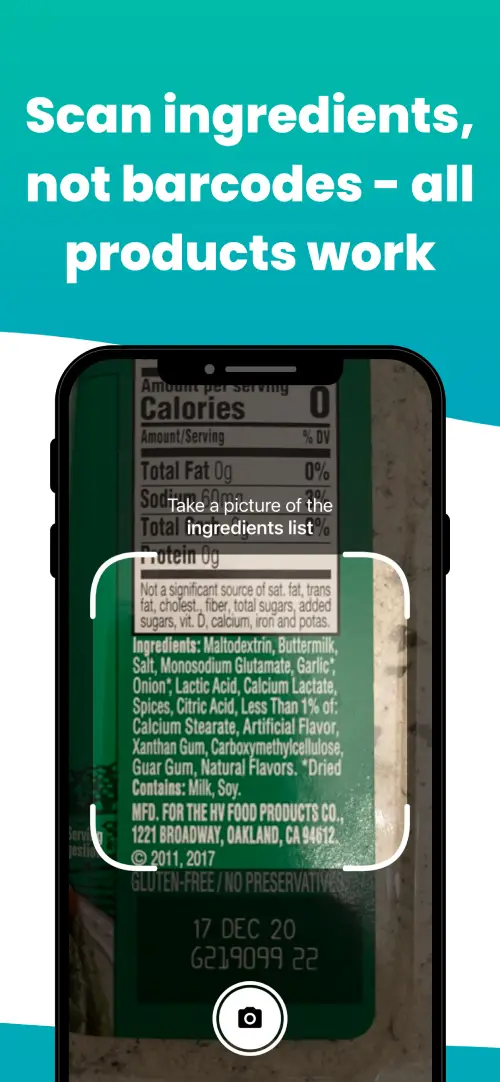
We've built a vegan ingredients scanner that classifies food ingredients as "vegan", "non-vegan", or "potentially vegan".
It allows you to avoid non-vegan ingredients - just take a picture of a product's ingredient list, and the app tells you if the product is vegan or not.



Check out other ingredients:
Is methylisothiazolinone vegan?Is olea europaea fruit oil vegan?Is buthylphenyl methyl propional vegan?Is triethylamine vegan?Is hydroxypropyltrimonium chloride vegan?Is benzyl salicylate vegan?Is peg-120 methyl glucose dioleate vegan?Is alpha-isomethyl ionone vegan?Is hydroxypropyl trimonium chloride vegan?Is ci 15985 vegan?Is hydroxypropyl oxidized strach pg trimonium chloride vegan?Is sulfur vegan?
We'll never send you spam.