
Is methylisothiazolinone vegan?
Methylisothiazolinone is a vegan food ingredient.
Checking out an ingredients list? 👇
"You are amazing, this has saved me so much time when grocery shopping!"
— Austin, a user who reached out with feedback
"It's been a great tool since starting my journey! You take a pic of the nutrition/ingredients, and it'll warn you of anything questionable or not vegan. 😁"
— Ashe, a Vegan For Beginners Facebook Group member
"Use a vegan app when you go shopping, I use WhatsVegan."
— Dóra, a Vegan For Beginners Facebook Group member
So, what is methylisothiazolinone?
Methylisothiazolinone, often abbreviated as MI, is a synthetic preservative widely employed across various industries, from personal care products and cosmetics to household cleaners and industrial applications. Its primary function is to inhibit the growth of bacteria, yeasts, and molds, thereby extending product shelf life and ensuring consumer safety by preventing microbial contamination. For those navigating the landscape of ethical consumption and plant-based living, understanding the true nature of such ingredients is paramount.
From a vegan food science perspective, the origin and production of methylisothiazolinone are critical. MI is synthesized through a chemical process, specifically a reaction involving 3-isothiazolone derivatives. This industrial synthesis route means that its creation does not rely on animal-derived raw materials, byproducts, or auxiliary substances. There are no animal fats, dairy components, insect secretions, or animal-based processing aids typically involved in its manufacturing chain. Consequently, methylisothiazolinone is confidently classified as vegan. Its chemical structure and synthetic nature inherently align with the principles of animal ethics, as no animal suffering or exploitation occurs during its production.
While MI is unequivocally vegan, it's essential to differentiate its ethical status from its source. It is not a plant-based alternative in the sense of being derived directly from botanical sources. Rather, it is a human-engineered compound designed for a specific function: preservation. For conscious consumers who prioritize not only veganism but also a preference for entirely natural or plant-derived ingredients in their products, there are indeed other preservation systems available. These plant-derived alternatives, such as certain essential oils, plant extracts, or fermentation-derived compounds, offer different profiles and functionalities. However, the decision to opt for these would stem from a desire for "naturalness" or specific ingredient lists, not from a concern over methylisothiazolinone's vegan credentials.
The commitment to cruelty-free products extends beyond the absence of animal testing to the very composition of ingredients. In this regard, MI meets the fundamental criteria for both. Its synthetic origin eliminates the concern for animal input, and reputable manufacturers also ensure their production methods and final product testing adhere to cruelty-free standards. This level of transparency in sourcing and manufacturing is vital for empowering consumers to make informed choices.
For anyone scrutinizing ingredient labels, the presence of methylisothiazolinone in a product confirms its vegan status concerning this specific preservative. However, a holistic approach to label transparency remains crucial. While MI itself is vegan, it's always advisable to review the full ingredient list for any other components that might contradict a plant-based or cruelty-free lifestyle. This diligent approach ensures that every aspect of a product aligns with personal ethical purity standards, from its primary ingredients to any processing aids utilized. In sum, methylisothiazolinone stands as a testament to synthetic chemistry providing effective, ethically sound solutions for product preservation, fully compatible with a vegan lifestyle.
How to quickly find the source of ingredients like methylisothiazolinone?
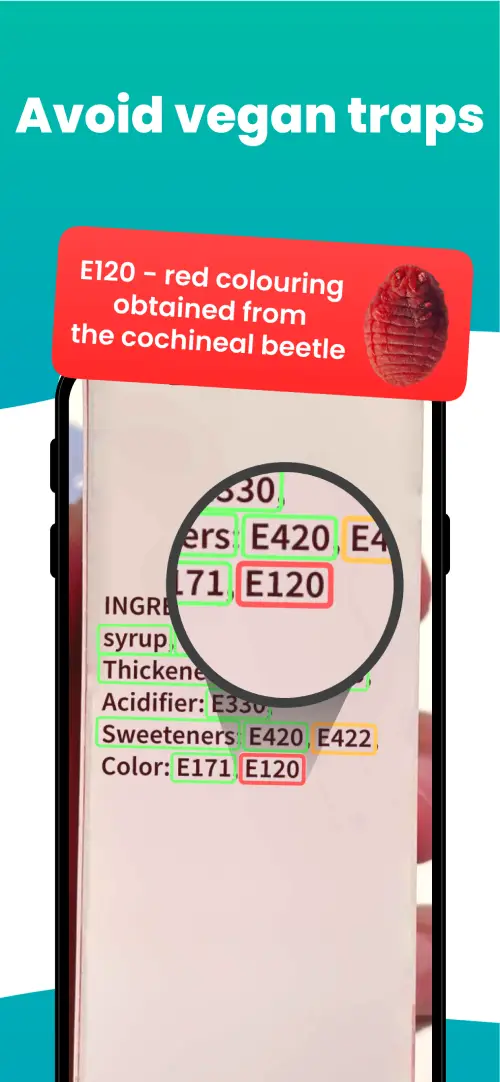
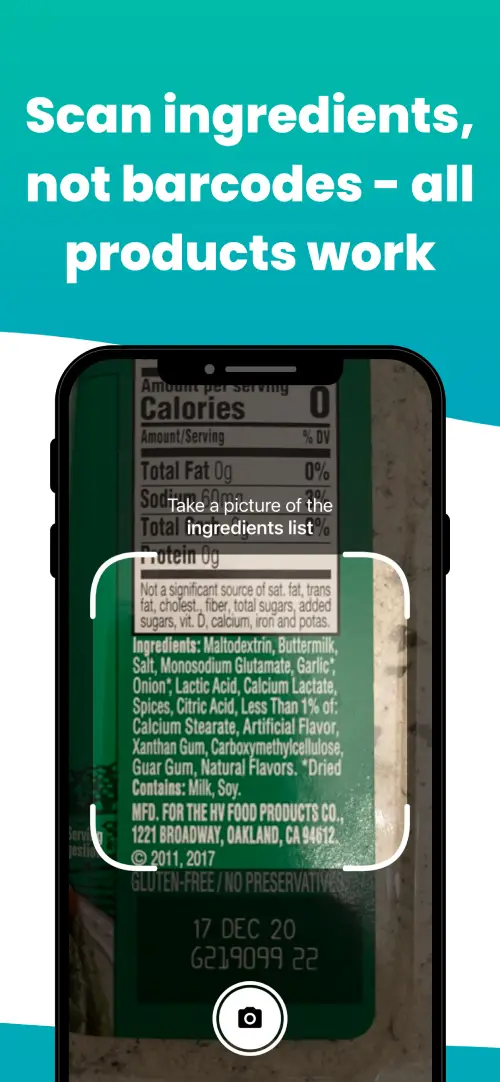
We've built a vegan ingredients scanner that classifies food ingredients as "vegan", "non-vegan", or "potentially vegan".
It allows you to avoid non-vegan ingredients - just take a picture of a product's ingredient list, and the app tells you if the product is vegan or not.



Check out other ingredients:
Is buthylphenyl methyl propional vegan?Is methylchloroisothiazolinone vegan?Is alpha-isomethyl ionone vegan?Is ci 15985 vegan?Is peg-120 methyl glucose dioleate vegan?Is caramelized sugar syrup vegan?Is sulfur vegan?Is aqua/water/eau vegan?Is turbinado vegan?Is firm tofu vegan?Is suikerbiet vegan?Are sciroppo di mais vegan?
We'll never send you spam.