
Is benzyl salicylate vegan?
Benzyl salicylate is a vegan food ingredient.
Checking out an ingredients list? 👇
"You are amazing, this has saved me so much time when grocery shopping!"
— Austin, a user who reached out with feedback
"It's been a great tool since starting my journey! You take a pic of the nutrition/ingredients, and it'll warn you of anything questionable or not vegan. 😁"
— Ashe, a Vegan For Beginners Facebook Group member
"Use a vegan app when you go shopping, I use WhatsVegan."
— Dóra, a Vegan For Beginners Facebook Group member
So, what is benzyl salicylate?
Exploring Benzyl Salicylate: A Key Ingredient
Benzyl salicylate is a widely recognized compound, valued across various industries primarily for its role as a fragrance ingredient, often lending a subtle, sweet, floral, and slightly balsamic aroma to products. Beyond its olfactive contribution, it also functions as a UV light absorber, providing stability to formulations and protecting sensitive ingredients from degradation. Given its prevalence in cosmetics, personal care products, and even some household items, understanding its source and processing is paramount for those committed to animal ethics and plant-based lifestyles.
Understanding Its Origins: A Vegan Perspective
At its core, benzyl salicylate is an ester formed from benzyl alcohol and salicylic acid. While it occurs naturally in various plants, including jasmine, ylang-ylang, gardenia, and tuberose essential oils, its commercial production predominantly relies on synthetic pathways. This distinction is critical for establishing its vegan status. The synthetic manufacturing process typically involves the esterification of benzyl alcohol with salicylic acid, where both precursor chemicals are themselves synthesized from non-animal derived sources. For example, salicylic acid can be produced from phenol, and benzyl alcohol from toluene—both petrochemical derivatives. This chemical synthesis avoids the use of any animal products or byproducts from start to finish.
The Purity of Synthesis: Upholding Animal Ethics
From a vegan food scientist's perspective, the synthetic nature of commercially produced benzyl salicylate is a distinct advantage, ensuring its integrity and alignment with animal ethics. Unlike certain complex natural extracts that might inadvertently involve animal-derived processing aids, animal testing during development, or cross-contamination risks through shared equipment, benzyl salicylate's chemical synthesis provides a clear and verifiable path to a cruelty-free status. Its production doesn't involve the exploitation of animals for raw materials, nor does it necessitate animal testing for its primary applications in fragrance and UV protection, particularly in jurisdictions with robust regulatory oversight for cosmetics. This makes it a reliable component in the formulation of truly plant-based alternatives across numerous product categories.
Confidence in Cruelty-Free Formulations
For consumers prioritizing purity and label transparency, benzyl salicylate presents a straightforward case. Its common inclusion in certified vegan and cruelty-free products underscores its compatibility with these principles. When you encounter benzyl salicylate on an ingredient list, especially within a product marketed as vegan or plant-based, you can be confident that it aligns with your ethical standards. Its robust synthetic production ensures that no animal components, whether as direct ingredients or indirect processing aids, are incorporated. This consistency allows formulators to create diverse and appealing vegan products, from skincare to fragrances, without compromising on ethical sourcing.
Embracing Transparency for Ethical Choices
The clear vegan status of benzyl salicylate allows brands to uphold high standards of label transparency, providing consumers with the assurance they seek. This ingredient exemplifies how modern chemistry can contribute to the growing demand for ethical consumer goods, offering functional benefits without relying on animal exploitation. Its ubiquitous presence in vegan personal care items and other plant-based alternatives demonstrates its role as a compatible and often essential component in products designed for a compassionate future.
How to quickly find the source of ingredients like benzyl salicylate?
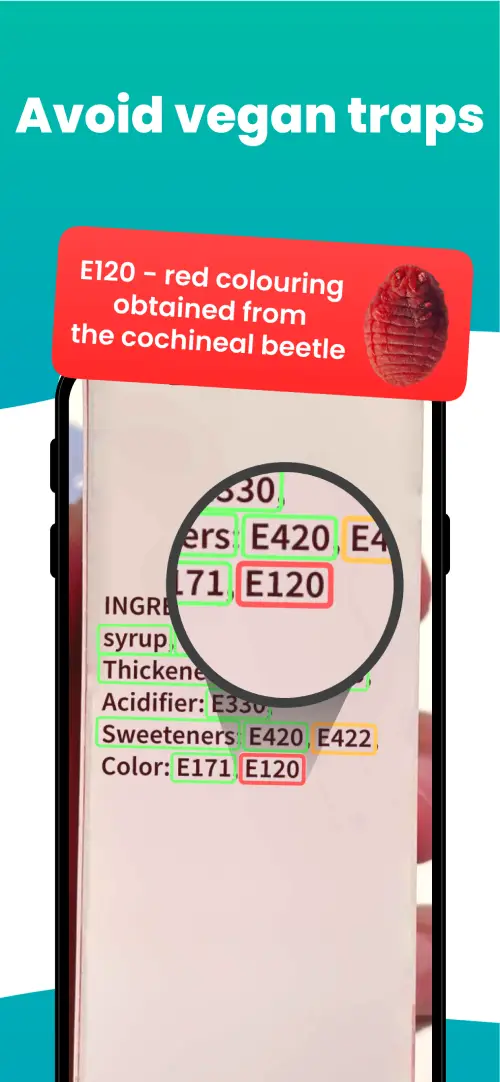
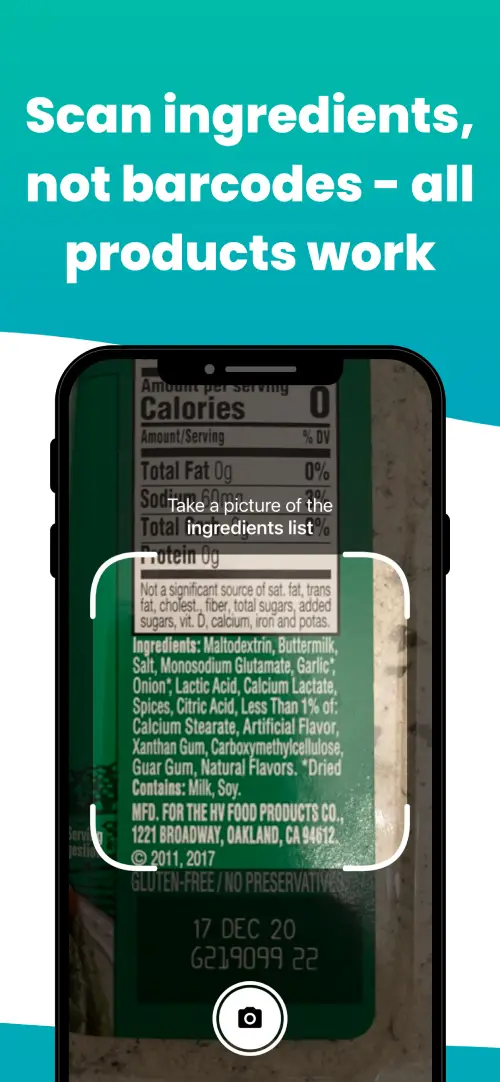
We've built a vegan ingredients scanner that classifies food ingredients as "vegan", "non-vegan", or "potentially vegan".
It allows you to avoid non-vegan ingredients - just take a picture of a product's ingredient list, and the app tells you if the product is vegan or not.



Check out other ingredients:
Is alpha-isomethyl ionone vegan?Is hydroxypropyltrimonium chloride vegan?Is ci 15985 vegan?Is methylchloroisothiazolinone vegan?Is olea europaea fruit oil vegan?Is triethylamine vegan?Is tetra sodium edta vegan?Is turbinado vegan?Is peg-120 methyl glucose dioleate vegan?Is firm tofu vegan?Is mushrooms pickled vegan?Is sulfur vegan?
We'll never send you spam.