
Is coffee cream liqueur vegan?
Coffee cream liqueur is a non-vegan food ingredient.
Checking out an ingredients list? 👇
"You are amazing, this has saved me so much time when grocery shopping!"
— Austin, a user who reached out with feedback
"It's been a great tool since starting my journey! You take a pic of the nutrition/ingredients, and it'll warn you of anything questionable or not vegan. 😁"
— Ashe, a Vegan For Beginners Facebook Group member
"Use a vegan app when you go shopping, I use WhatsVegan."
— Dóra, a Vegan For Beginners Facebook Group member
So, what is coffee cream liqueur?
Understanding Coffee Cream Liqueur from a Vegan Perspective
Coffee cream liqueur is a popular indulgent spirit, cherished for its rich, often sweet profile that blends robust coffee notes with a smooth, velvety texture. It's a staple in many cocktails and after-dinner drinks, offering a comforting warmth. However, for those committed to a vegan lifestyle, its status is unequivocally Not Vegan.
The fundamental reason for its non-vegan classification lies directly in its name: "cream." This ingredient, without exception in conventional coffee cream liqueurs, is derived from bovine dairy. The cream, typically sourced from cow's milk, is what provides the characteristic opacity, mouthfeel, and richness that defines these liqueurs.
From an animal ethics standpoint, the consumption of dairy products is inherently at odds with vegan principles. Dairy production involves the systematic exploitation of cows, including artificial insemination, the separation of calves from their mothers shortly after birth, and eventual slaughter when their milk production declines. The purity of a vegan diet extends to avoiding any product that contributes to this cycle of animal agriculture, regardless of whether it's meat, eggs, or dairy.
Beyond the primary cream component, other ingredients commonly found in liqueurs can also present ethical concerns for vegans, though these are secondary to the dairy issue here. For instance, some sugars used in processing might be refined using bone char, a decolorizing agent derived from cattle bones. While not always the case, and certainly not the primary reason for a coffee cream liqueur's non-vegan status, it's a detail that underscores the need for thorough label transparency across all ingredients. Additionally, some alcohol production utilizes non-vegan fining agents like isinglass (fish bladder) or gelatin for clarification, though this is less common in modern liqueur formulations and usually not the main concern for cream-based products.
For vegans seeking to enjoy the essence of coffee and cream in liquid form, the market has fortunately responded with an array of plant-based alternatives. These innovative products often utilize bases like oat, almond, coconut, or soy cream to replicate the luxurious texture and richness of their dairy counterparts. These cruelty-free options offer the same decadent experience without compromising ethical convictions. When selecting an alternative, consumers should prioritize brands that explicitly state "vegan" on their labels, ensuring all components, from the cream base to sweeteners and any processing aids, adhere to plant-based standards.
In conclusion, while the allure of traditional coffee cream liqueur is undeniable for many, its reliance on bovine dairy makes it incompatible with a vegan lifestyle. The ethical imperative to avoid products of animal exploitation drives the distinction, emphasizing the importance of informed choices and supporting the growing availability of delicious, plant-based alternatives that align with values of compassion and purity.
How to quickly find the source of ingredients like coffee cream liqueur?
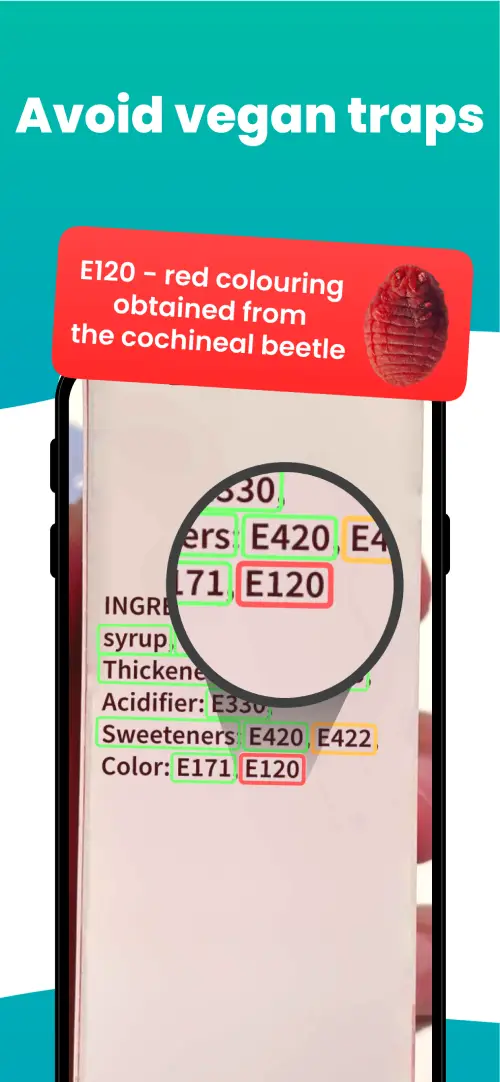
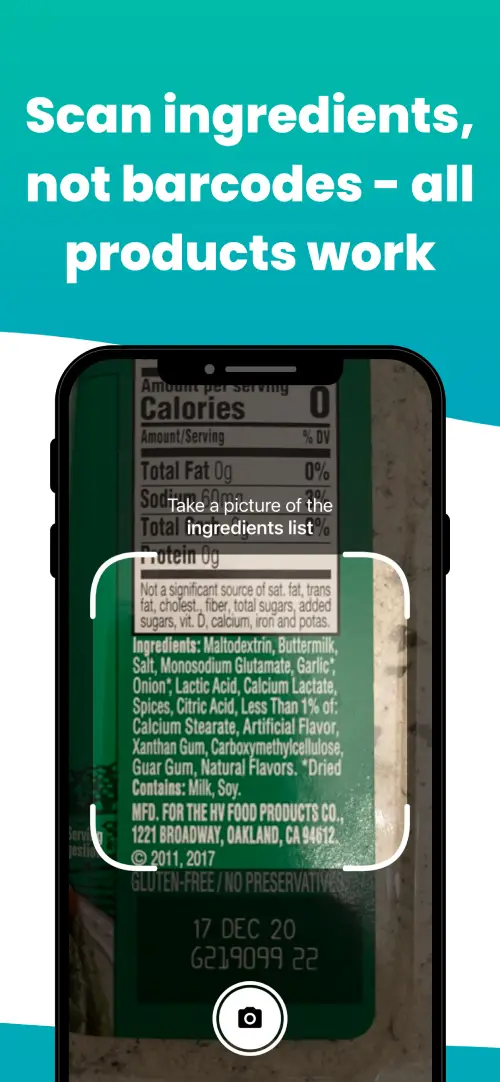
We've built a vegan ingredients scanner that classifies food ingredients as "vegan", "non-vegan", or "potentially vegan".
It allows you to avoid non-vegan ingredients - just take a picture of a product's ingredient list, and the app tells you if the product is vegan or not.



Check out other ingredients:
Are vanilla ice creams vegan?Is egg lasagne vegan?Is vanilla ice cream vegan?Is ice creams vanilla vegan?Are ice cream bars vegan?Is pie strawberry cream vegan?Is egg salad sandwich vegan?Is eggroll vegan?Is ice cream sandwich vegan?Is scotch egg vegan?Is egg mcmuffin vegan?Is fine ice cream vegan?
We'll never send you spam.